 EN
The Critical Role of Dewatering Screens in Mineral Processing
In heavy industrial operations such as aggregate washing, mineral processing plants, sand production facilities, and high-throughput mining terminals, achieving optimal moisture reduction in solid-liquid mixtures is paramount. A dewatering screen functions as the primary physical separation mechanism against excess slurry water, moisture retention, and handling inefficiencies, ensuring strict downstream product specifications and full operational productivity. Drawing directly from hands-on field engineering experience and troubleshooting across various global mineral processing sites, selecting the proper dewatering equipment directly dictates overall operational uptime and plant profitability. While traditional settling ponds and basic drainage methods have remained standard industry practices for several decades due to their initial familiarity and low upfront setup cost, rapidly evolving industrial demands, tighter environmental regulations, and higher processing volumes require significantly higher performance standards. In response to these operational challenges, advanced vibrating dewatering screens have emerged as the definitive superior alternative, fundamentally transforming how modern industrial facilities approach moisture extraction, fine particle recovery, and material handling across diverse global markets and applications. Furthermore, industry experts note that efficient dewatering directly correlates with a facility's overall throughput and final product quality, making equipment selection a foundational choice for plant managers.
Engineering Design and Mechanics: Dual-Motor Vibration Dynamics
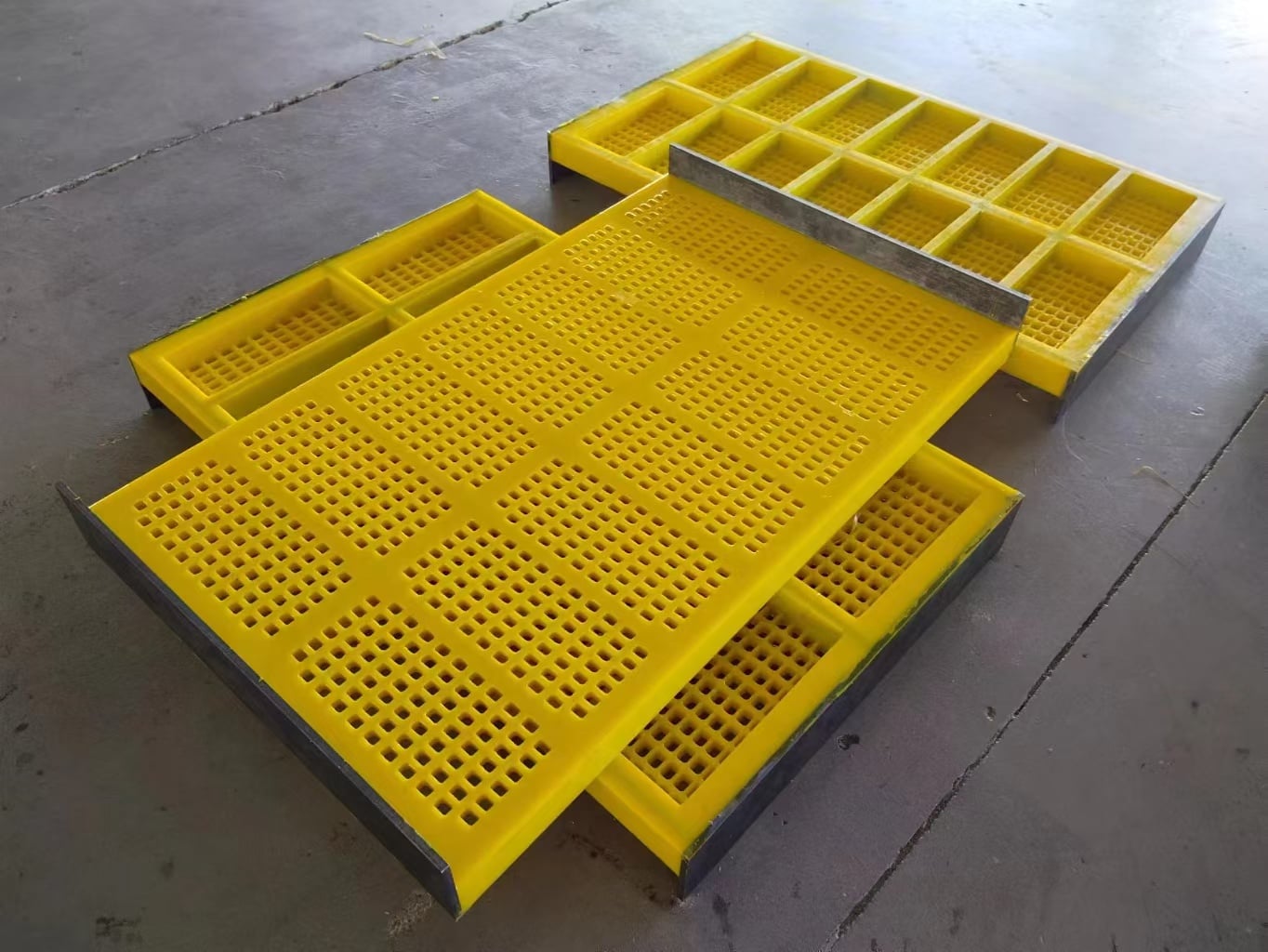
When thoroughly evaluating the mechanical efficiency and structural performance of solid-liquid separation under harsh operating conditions, modern dewatering screens consistently outperform conventional drainage methods by a massive margin. Standard settling techniques are inherently prone to slow processing times, high footprint requirements, and inconsistent moisture levels when continually exposed to fine slimes, heavy mineral slurries, or varying feed tonnages. In stark contrast, advanced engineered dewatering screens boast high-frequency, low-amplitude linear motion driven by synchronized dual unbalanced vibratory motors. Extensive field data compiled across rugged aggregate and mining environments consistently demonstrates that high-grade screens can achieve remarkably low final moisture percentages in filtered cake products under identical operating stresses. This drastically accelerated moisture removal minimizes the frequency of material handling bottlenecks, translating directly into fewer manual processing interventions, reduced stockpile drying times, and lower overall maintenance overhead for plant operators and mechanical engineers alike. Additionally, robust polyurethane or stainless steel deck panels resist abrasive wear and chemical corrosion far better than standard mesh options, ensuring consistent performance in extreme weather conditions.
Advanced Particle Retention and Fine Material Recovery
A frequent, costly challenge routinely encountered with conventional washing and classification equipment is the severe loss of valuable fine particles into waste streams. As traditional settling basins or low-efficiency screens process high-volume slurry feeds, fine sands and valuable minerals are often washed away due to poor deck inclination and inadequate aperture sizing. Dewatering screens are scientifically engineered with a specific upward slope combined with wedge wire or polyurethane screen panels that create a capillary pool effect, effectively trapping fine particles while allowing water to pass through rapidly. This unique metallurgical and mechanical balance allows the screening deck to maintain a consistent, efficient separation cut point without blinding, pegging, or overflowing, thereby preserving the material yield and maximizing the economic recovery of fine aggregates. By improving fine material retention, facilities also benefit from reduced tailings pond accumulation and enhanced environmental compliance.
Operational Efficiency and Downstream Process Optimization
Effective moisture control and dry stacking capabilities are absolutely critical for meeting increasingly strict environmental regulations, transportation weight limits, and downstream processing requirements. Over time under continuous operational vibration, poorly designed dewatering equipment tends to suffer from structural fatigue, bearing overheating, or uneven media wear, creating unwanted downtime and production delays. Comprehensive industry studies focusing on mineral processing optimization show that engineered dewatering screens—especially variants featuring modular polyurethane panels and high-strength side plates—maintain self-cleaning properties and consistent operational output. According to leading bulk handling and mineral processing experts, utilizing dry-stacked tailings significantly reduces slurry dam risks, prevents freezing issues during winter transport, and substantially lowers facility operational overhead. Maintaining proper moisture control also eliminates the need for expensive thermal drying systems, thereby enhancing overall plant energy efficiency.
Total Cost of Ownership and Long-Term Commercial Value
While the initial procurement cost of a premium dewatering screen may be marginally higher than basic, low-grade drainage setups, a comprehensive total cost of ownership analysis reveals profound, undeniable economic advantages over the lifecycle of the processing plant. Facility managers and plant directors frequently discover that the hidden, cumulative expenses of outdated dewatering methods—such as extensive land use for settling ponds, repeated excavation costs, high transportation moisture penalties, and intensive daily maintenance labor—far outweigh its lower upfront purchase price. Investing in high-grade dewatering solutions delivers a robust, quantifiable return on investment through maximized system throughput, enhanced product marketability, and reduced environmental risks. For industrial buyers, plant engineers, and procurement specialists seeking dependable, long-term supply chain partnerships, collaborating with specialized manufacturers like Tonda ensures direct access to precision-engineered screening equipment, robust custom fabrication capabilities, and reliable global manufacturing support explicitly designed to optimize demanding mineral processing operations worldwide.