 EN
Tackling the Hidden Headache of Material Carryback
When stepping onto the shop floor of a heavy industrial bulk handling plant, operations managers and plant engineers frequently discuss the persistent challenge of fugitive material carryback. Even after primary pre-cleaners strip away the bulk of transported aggregate, fine, sticky particles often bypass that initial cleaning point, clinging tenaciously to the belt return path. A very common question among plant supervisors is whether investing in an additional secondary scraper is truly necessary. The short answer is an absolute yes, provided that the system integrates high-performance polyurethane blades and intelligent tensioning. In the past, relying solely on a single scraper led to severe material accumulation along idler rollers, accelerated belt wear, and hazardous housekeeping issues during long shifts. Today, integrating a secondary scraper directly behind the head pulley has transformed conveyor maintenance from a reactive chore into a streamlined, high-efficiency operation essential for modern bulk handling facilities.
Engineering Precision Blade Contact and Tensioning
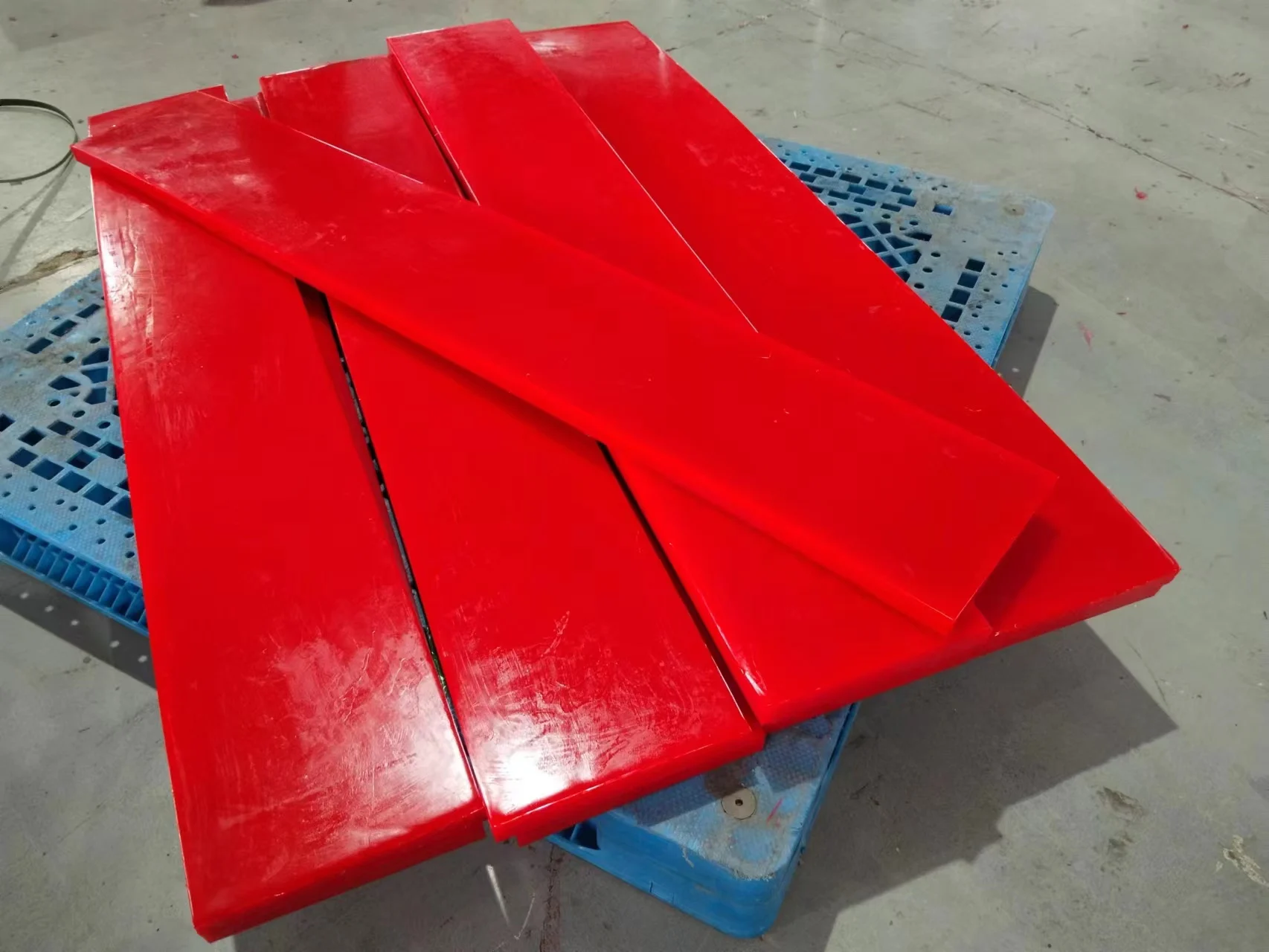
From an advanced mechanical engineering perspective, achieving effective carryback removal requires meticulous blade material selection and consistent pressure regulation. During technical evaluations at high-capacity bulk terminals, engineers often observe that uneven blade wear can cause micro-gaps, allowing fine particulate matter to escape. Modern secondary scrapers solve this challenge by utilizing segmented polyurethane blades mounted on independent cushion buffers, coupled with mechanical spring tensioners. This clever engineering allows each blade segment to contour perfectly to worn or cupped belt surfaces, maintaining constant cleaning pressure without gouging the cover stock. By harmonizing blade hardness with belt velocity, the equipment ensures spotless cleaning results across millions of continuous operating cycles without requiring frequent manual readjustments.
Overcoming Shop Floor Challenges and Return-Belt Spillage
Drawing from extensive plant-floor consulting and troubleshooting experiences across various mining and aggregate sectors, one of the primary hurdles to efficient production has always been fugitive material dropping along the entire conveyor return run. Traditional setups without a secondary cleaning stage required frequent manual shoveling, component replacements, and unscheduled maintenance shutdowns that severely eroded overall operational efficiency. In notable plant case studies involving mineral processing facilities struggling with frequent return-idling seizure, engineers successfully retrofitted discharge zones with dual-stage polyurethane scraper systems. This targeted intervention eliminated material migration past the head pulley, reducing clean-up labor drastically and protecting expensive return rollers from abrasive wear.
Maximizing Economic Value and Return on Investment
Beyond technical mechanics and cleanliness metrics, investing in a high-performance secondary scraper unlocks profound commercial and financial value for industrial enterprises. In an era marked by rising labor costs and stringent environmental regulations, continuous spillage results in costly material loss and potential regulatory penalties. Installing a reliable secondary scraping solution substantially reduces direct maintenance overhead, allowing plant technicians to redirect focus toward core production tasks. Furthermore, preventing carryback accumulation drastically extends the service life of conveyor belts and mechanical splices. Comprehensive financial analysis across multiple heavy industrial projects indicates that capital expenditures invested in professional secondary cleaning systems typically achieve a rapid return through reduced downtime and eliminated housekeeping expenses.
Ensuring Compliance, Safety, and Quality Standards
When procuring or custom-building material handling upgrades, absolute transparency and strict adherence to international conveyor safety regulations are critical. Authoritative industrial engineering bodies emphasize that scraper assemblies must be manufactured from fire-resistant, anti-static materials when operating in sensitive environments like underground mining or grain handling. A premier secondary scraper must also feature quick-change blade cartridges to allow safe, rapid maintenance without requiring confined space entry or complex tools. Procurement teams should always verify whether equipment suppliers maintain rigorous quality control standards and provide clear installation guidelines, ensuring immediate reliability and safety upon final integration at the customer site.
Excellence in Conveyor Cleaning Solutions with Tonda
Achieving flawless carryback removal and long-term operational reliability in modern bulk material handling demands deep industry expertise and robust custom engineering capabilities. Tonda leverages decades of manufacturing experience and cutting-edge technological innovation to provide global industrial clients with highly reliable, customized conveyor cleaning solutions. From precision-engineered polyurethane blades and robust tensioning mechanisms to comprehensive supply chain support, Tonda maintains stringent quality control protocols that ensure every product delivers exceptional performance. Partnering with Tonda empowers industrial facilities worldwide to optimize material flow, conquer complex maintenance challenges, and maintain a competitive edge in the global marketplace.
Table of Contents
- Tackling the Hidden Headache of Material Carryback
- Engineering Precision Blade Contact and Tensioning
- Overcoming Shop Floor Challenges and Return-Belt Spillage
- Maximizing Economic Value and Return on Investment
- Ensuring Compliance, Safety, and Quality Standards
- Excellence in Conveyor Cleaning Solutions with Tonda