 EN
Superior Dust Control and Spillage Prevention at Transfer Points
How unsealed transfer points cause material loss and airborne dust hazards
At bulk material transfer points, impact energy, belt vibration, and turbulent airflow combine to generate fugitive dust. When skirting seals are worn, misaligned, or absent, fine particles escape into the surrounding air—creating respiratory hazards and risking noncompliance with Occupational Safety and Health Administration (OSHA) permissible exposure limits. Unsealed gaps also allow material spillage to accumulate around the load zone, fouling idlers and increasing cleanup labor. Conveyor Equipment Manufacturers Association (CEMA) data indicates transfer points contribute up to 74% of total facility dust emissions when inadequately sealed. Left unchecked, spillage accelerates belt and component wear, creates slip and fire risks, and raises operating costs. Effective containment starts with a stable belt line and a sealing system that maintains continuous contact despite dynamic belt movement—preventing both material loss and airborne dust at the source.
Why polyurethane skirting’s elastic memory and conformal sealing ensure dynamic, gap-free belt contact
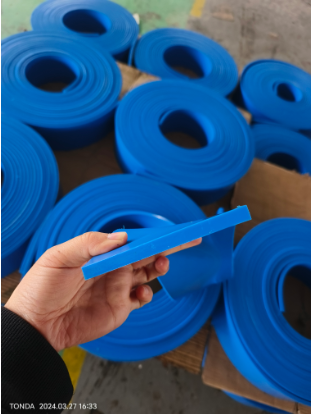
Polyurethane skirting delivers a sealing advantage through molecular elastic memory. Unlike rubber, which can take a permanent set after repeated flexing, polyurethane returns to its original shape after deformation—allowing it to follow belt edge movement and surface irregularities without developing persistent gaps. Its conformal sealing properties maintain consistent contact pressure across the sealing line, even during belt sag, vibration, or lateral wander. In contrast, rigid metal skirtboards and stiff rubber systems can lift off the belt surface under dynamic load, enabling dust and fines to escape. Polyurethane absorbs impact energy and recovers quickly, minimizing open spaces that drive spillage. This dynamic conformity lowers airborne dust, reduces material loss, and cuts the need for frequent manual adjustment—resulting in a more stable containment zone and cleaner, safer conveying operations.
Extended Conveyor Belt Life Through Abrasion Resistance and Chemical Durability
Belt edge degradation from abrasive particulates, oils, and moisture—why rubber falls short
Abrasive particulates, oils, and moisture accelerate belt edge degradation at transfer points. Rubber skirting often cracks under repeated compression and permanently deforms under belt sag. Hard fines embed in the rubber surface and act like sandpaper against the moving belt cover. Oils and solvents soften rubber, causing tears, swelling, and loss of tensile strength. In moist environments, rubber may harden or degrade unevenly, reducing sealing force and opening gaps at the belt edge—allowing more material to spill onto the return side. Maintenance crews then spend labor hours cleaning fugitive material and repairing seals. Belt edge damage accounts for nearly 30% of conveyor belt replacement expenses in abrasive bulk handling applications, according to CEMA 2023 benchmark data. Rubber falls short because it lacks the abrasion resistance and chemical durability needed for continuous, high-load sealing.
Polyurethane skirting material advantages: 80–95 Shore A hardness, >30 MPa tensile strength, hydrolytic stability
Polyurethane skirting uses an 80–95 Shore A hardness range to resist cuts, gouging, and abrasive wear. Tensile strength above 30 MPa helps the sealing edge retain shape under belt sag and impact loads. Hydrolytic stability prevents softening when exposed to moisture, washdown water, or humid air. Unlike rubber, polyurethane does not absorb oils or solvents that compromise seal integrity. Its elastic memory keeps the lip in consistent contact with the belt—without excessive pressure—reducing friction and belt cover wear. Independent abrasion tests show polyurethane skirting outlasts rubber seals by 2 to 4 times in abrasive material handling. This durability reduces replacement frequency and protects the belt edge from secondary wear caused by hardened or degraded rubber—preserving belt life and system reliability.
Proven Long-Term Cost Savings and ROI with Polyurethane Skirting
Reduced downtime, labor, and energy losses from spillage cleanup and motor overloads
Unsealed skirting systems allow carryback and fines to accumulate under conveyors—increasing manual cleanup hours and raising motor load from belt drag. Polyurethane skirting forms a low-friction, tight seal that reduces material escape and keeps transfer points cleaner. Facilities replacing conventional rubber skirting report lower cleanup labor needs and fewer belt-stall events caused by spillage buildup. By preventing accumulation on return idlers, this sealing solution helps motors operate closer to design load—avoiding overload trips and peak-demand charges. Reduced spillage also lowers energy use: cleaner belts and rollers eliminate the extra amperage draw associated with fouled idlers and drifted material. Over a year, these avoided labor, downtime, and energy losses translate into meaningful operating savings—well before capital payback is considered.
3.2-year average payback period across mining and aggregate operations (CEMA 2023 benchmark)
Although polyurethane skirting carries a higher upfront cost than conventional rubber, its longer wear life and reduced maintenance burden deliver strong lifecycle economics. According to the CEMA 2023 benchmark, mining and aggregate operations achieve an average payback period of 3.2 years after switching. Savings stem primarily from fewer replacements, lower cleanup labor, and avoided downtime for conveyor repairs. Industrial surveys conducted in 2024 found polyurethane wear components lasting three to five times longer than rubber in abrasive conditions—cutting five-year lifecycle costs by 40–60%. The initial premium is therefore recovered well within the typical service window of a conveyor skirting system.
Polyurethane vs. Rubber Skirting: When Material Selection Directly Impacts System Reliability
Material selection at the belt edge directly affects seal integrity, belt wear, and maintenance frequency. In dust-prone and abrasive bulk handling environments, polyurethane skirting typically delivers longer service life than standard rubber—due to higher cut-and-tear resistance, lower compression set, and stronger resistance to oils and moisture.
Rubber skirting may cost less upfront and offers excellent elastic recovery. However, it tends to abrade faster under sharp fines and can harden in cold temperatures—creating gaps that release dust and spillage.
A direct comparison helps operations teams weigh trade-offs:
| Property | Polyurethane Skirting | Rubber Skirting |
|---|---|---|
| Abrasion resistance | Excellent; high tensile strength above 30 MPa | Moderate; wears quickly against sharp fines |
| Oil and chemical resistance | Strong; hydrolytically stable | Varies by compound; often degrades |
| Sealing consistency | Good rebound and low compression set | High elasticity, but higher compression set can reduce long-term sealing |
| Temperature behavior | Stable across a wider range | Can harden in cold or soften in heat |
| Life-cycle cost | Higher initial cost, lower total cost | Lower initial cost, higher replacement frequency |
The reliability impact is most visible at transfer points handling heavy ore, wet slurry, or high-speed belts. Standard rubber compounds are prone to surface abrasion, gouging, and tear propagation—failures that widen the sealing gap and accelerate belt edge damage. Polyurethane maintains consistent contact pressure longer, reducing unplanned downtime and manual adjustments. When uptime and dust control are critical, polyurethane is the more dependable material choice.
FAQs About Dust Control and Skirting Materials
How do unsealed transfer points affect conveyor operations?
Unsealed transfer points cause fugitive dust emissions and material spillage, leading to respiratory hazards, increased maintenance, and higher operational costs. They can also accelerate conveyor belt wear and increase cleanup labor requirements.
What is polyurethane skirting, and how does it improve sealing?
Polyurethane skirting is a sealing material designed to conform to belt movement dynamically, maintaining consistent pressure and preventing gaps. Its elastic memory and abrasion resistance make it ideal for dust control and material spillage prevention.
Does polyurethane skirting last longer than rubber skirting?
Yes, polyurethane skirting typically outlasts rubber by 2 to 4 times in abrasive material handling applications. It resists cuts, deformation, and chemical exposure better than rubber, reducing replacement frequency and total life-cycle costs.
Why is polyurethane more expensive upfront?
Polyurethane has a higher initial cost due to its superior material properties, including abrasion resistance, chemical durability, and elastic recovery. However, its longer service life and reduced maintenance needs deliver cost savings over time.
What industries benefit most from polyurethane skirting?
Industries handling abrasive bulk materials, such as mining and aggregates, benefit significantly from polyurethane skirting. Its durability and sealing performance improve uptime, safety, and overall operational efficiency.
Table of Contents
- Superior Dust Control and Spillage Prevention at Transfer Points
- Extended Conveyor Belt Life Through Abrasion Resistance and Chemical Durability
- Proven Long-Term Cost Savings and ROI with Polyurethane Skirting
- Polyurethane vs. Rubber Skirting: When Material Selection Directly Impacts System Reliability
- FAQs About Dust Control and Skirting Materials