
 EN
EN
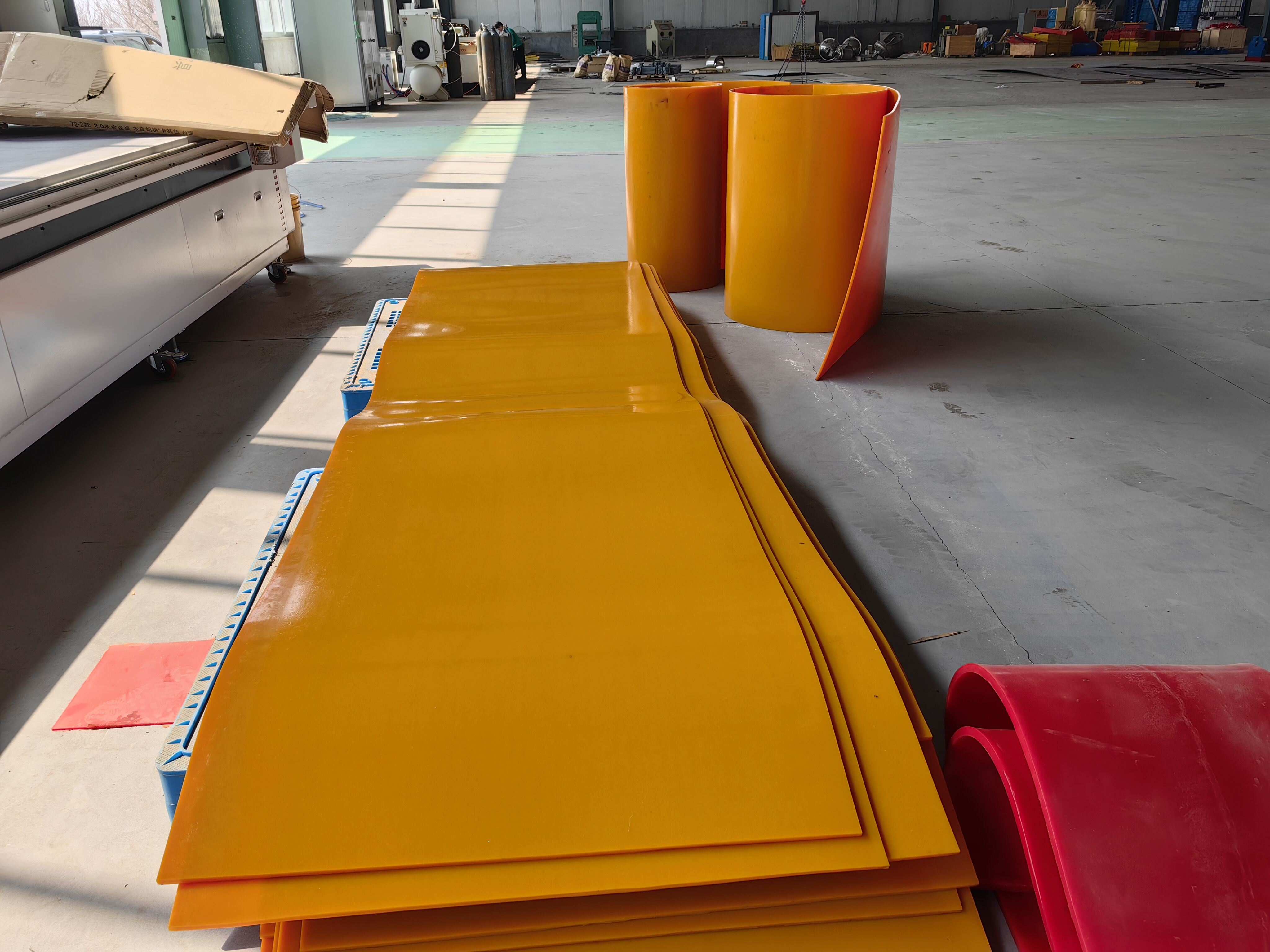
Unmatched Cushioning and Shock Absorption for Secure Shipping
How Polyurethane Sheet Roll Provides Targeted Impact Protection
The polyurethane sheet roll works really well as padding because of how it's built - those open cells and that memory foam quality. When something hits it, the material squishes down, soaking up all that energy from the impact before anything gets damaged inside the package. Then it bounces back pretty quick so it keeps protecting whatever is inside. What makes this stuff special is how it molds around objects. It fits snugly against whatever needs protection, making personalized safety zones without taking up extra space. Smart folks who design packaging adjust how thick and dense these sheets are depending on what they need to protect. Thicker, denser versions spread out the force better for fragile items, whereas thinner ones work great for odd-shaped things that need gentle support. All this flexibility means less wasted material and better protection during shipping when packages get shaken around, handled multiple times, or accidentally dropped somewhere.
Polyurethane vs. EPS and EPE Foams: A Shock Absorption Comparison
Polyurethane outperforms traditional foams in critical protective metrics:
| Shock Absorption Factor | Polyurethane | EPS Foam | EPE Foam |
|---|---|---|---|
| Energy Dispersion | 92% efficiency | 68% efficiency | 74% efficiency |
| Recovery Rate | <1 second | Permanent deformation | 3–5 seconds |
| Compression Cycles | 5000+ | 200 | 1000 |
Unlike EPS—which crushes irreversibly—and EPE—which exhibits inconsistent rebound and limited vibration damping—polyurethane’s resilience prevents “bottoming out” during multi-impact scenarios. Its stable performance across extreme temperatures (−40°C to 90°C) ensures reliability in global supply chains, from arctic logistics hubs to desert distribution centers.
Case Study: Reducing Damage Rates in High-Value Electronics Packaging
One major electronics maker was dealing with a serious issue where around 12% of their products arrived damaged internationally. The main problems came from tiny cracks forming in circuit boards because of vibrations during transport, plus damage when corners got hit while being handled. The old EPS foam inserts weren't holding up well either. When humidity levels changed, these foams would lose their ability to protect properly. Things improved dramatically after they started using specially cut polyurethane sheets instead. These new materials had specific areas designed to cushion between 30 and 40 on the Shore A scale, which is a measure of softness. Plus, they resisted moisture much better than before. The results spoke for themselves once this change was implemented.
- A 63% reduction in shipping damage within six months
- A 28% decrease in packaging material costs
- 100% pass rate in standardized 1.5-meter drop tests
The solution’s consistent energy dispersion and humidity-stable performance directly addressed the root causes—demonstrating how precision-engineered polyurethane transforms complex logistics challenges into predictable, high-integrity outcomes.
Exceptional Durability Through Chemical and Abrasion Resistance
The resilience of polyurethane sheet rolls stands out in tough packaging situations where materials need to hold up. At a molecular level, this material just doesn't break down when exposed to oils, solvents, or sunlight—something really important when goods spend time in transit, sitting in warehouses, or stored outside. Standard foam products tend to get all swollen, mushy, or even fall apart when they meet hydrocarbons. Polyurethane stays strong and keeps doing its job as a protective layer. This means less risk of contamination and better protection for delicate items such as medical equipment, factory components, and containers holding chemicals that can't afford any mishandling.
Performance Under Exposure to Oils, Solvents, and UV Light
Laboratory testing confirms polyurethane’s stability: less than 5% compression loss after 500 hours of continuous UV exposure, and under 3% volume change when exposed to petroleum-based solvents and common cleaning agents. This consistency ensures reliable barrier protection—not just at point-of-packaging, but throughout the full logistics cycle.
Withstanding Wear in High-Handling and Reusable Packaging Systems
When it comes to busy logistics operations, polyurethane stands out for its wear resistance which beats regular plastics anywhere from 40% to 60% better, as reported by Packaging Digest last year. The material can handle about 100 times being reused in those returnable packaging setups before showing signs of damage like holes, cracks, or losing its shape completely. E-commerce warehouses dealing with massive numbers of packages every day find this kind of toughness really valuable. It cuts down on how often they need to replace packaging materials, reduces trash going into landfills, and helps them stick to their green promises—all while still keeping products safe during transport.
Customization Flexibility of Polyurethane Sheet Roll for Precision Packaging
Adjusting Thickness, Hardness (Shore A/D), and Surface Texture
Optimal protection is engineered—not assumed. Manufacturers fine-tune three key properties of polyurethane sheet roll:
- Thickness (0.5mm to 50mm) scales impact absorption to product fragility; thinner gauges isolate vibration, thicker layers absorb high-G drops.
- Hardness, measured on the Shore A (soft elastomers) or Shore D (rigid compounds) scale, adjusts compression resistance—e.g., 20–30 Shore A for delicate optics, 70–80 Shore A for heavy machinery skids.
- Surface texture—smooth, embossed, or adhesive-backed—enhances grip, prevents slippage, and integrates seamlessly with automated packaging lines.
This precise tunability enables application-specific solutions while preserving material integrity and performance predictability.
Standard Rolls vs. Engineered Solutions for Fragile or Unique Products
Standard polyurethane rolls like those measuring around 1 meter by 30 meters at about 60 Shore A hardness work fine for most boxed consumer products and average quality electronics packaging. However, when things get serious from an engineering standpoint, different approaches are needed. Take aerospace turbine blades for instance—they actually need specially cut cavities made with softer 30 Shore A material that also has anti-static properties. Medical imaging equipment components must be formulated to be RF transparent and completely non-magnetic. And then there's the surgical instrument trays which have to meet strict ISO 13485 standards and be ready for use right out of cleanrooms. All these custom-made solutions cut down on wasted materials somewhere around 40 percent, stop products from shifting during transport even if they're oddly shaped, and satisfy tough regulations in sectors ranging from online retail to hospitals, military operations, and heavy industry manufacturing settings.
FAQ: Frequently Asked Questions about Polyurethane Sheet Roll
What makes polyurethane sheet roll ideal for shipping protection?
Polyurethane sheet roll is characterized by its open-cell structure providing excellent cushioning and impact absorption capabilities. It molds around objects closely, allowing personalized protection without adding excess weight or volume.
How does polyurethane compare with EPS and EPE foams?
Polyurethane surpasses EPS and EPE foams in shock absorption, recovery rate, and compression cycles. It maintains stability under extreme temperatures and provides reliable protection over multi-impact scenarios without permanent deformation.
Can polyurethane withstand exposure to chemicals and UV light?
Yes, polyurethane has a high resistance to oils, solvents, UV light, and other environmental challenges. This ensures it remains effective throughout the entire logistics cycle, reducing risks of contamination and structural integrity loss.
How can polyurethane sheet rolls be customized?
Manufacturers can customize polyurethane sheet rolls in terms of thickness, hardness (Shore A/D scales), and surface texture to meet specific packaging needs for various industries, from aerospace to medical equipment.