 EN
EN
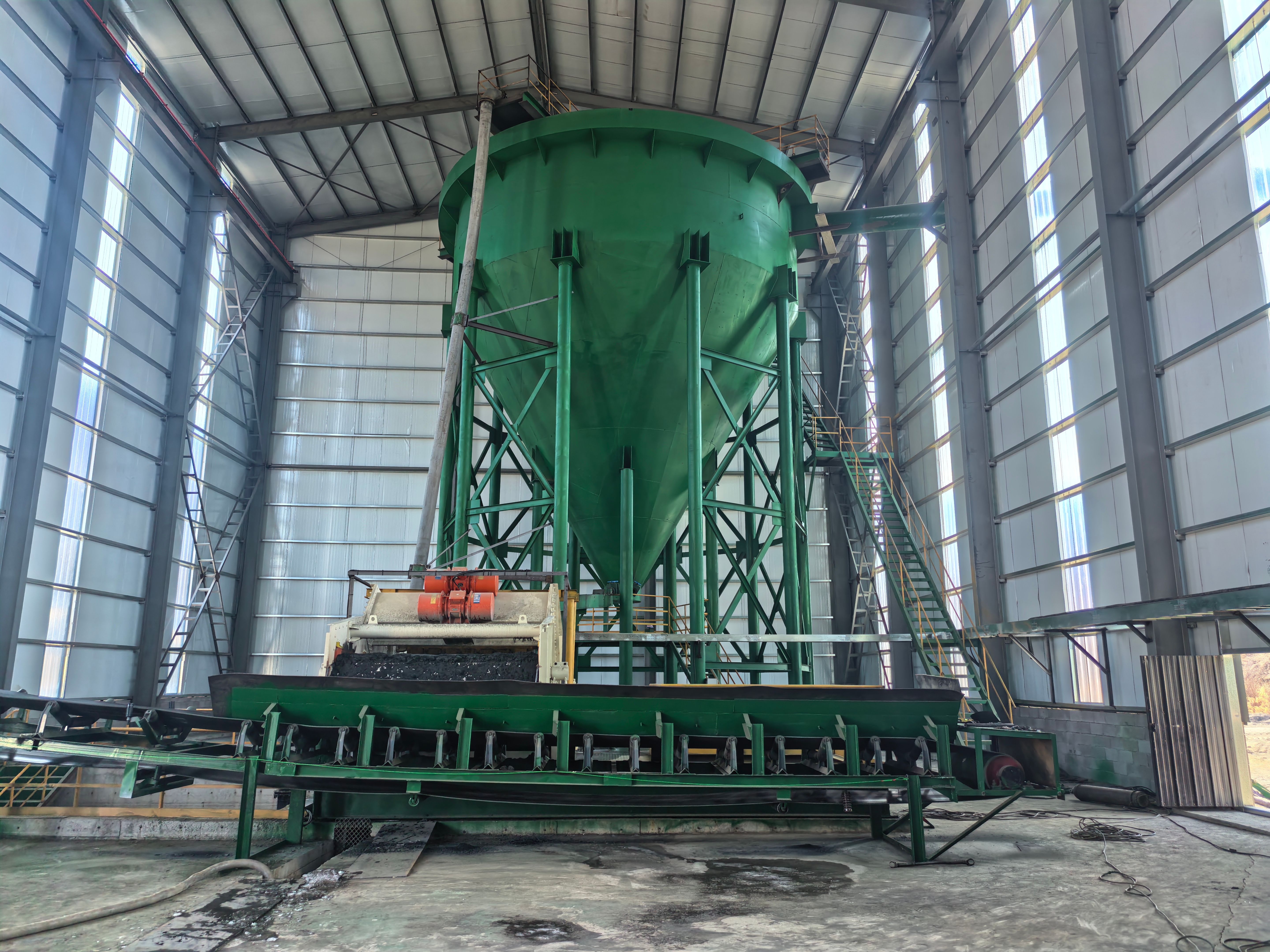
How Vibrating Screens Enable Precision Size-Based Separation
Vibrating screens achieve precise size-based separation in recycling operations through controlled vibratory motion. This technology stratifies materials by particle size, enabling efficient recovery of valuable resources from complex waste streams.
Vibration Mechanics and Particle Stratification Principles
At the heart of this system are either eccentric weights or electromagnetic devices that create controlled vibrations. When materials come onto the screening surface, these vibrations cause particles to separate out naturally. Smaller bits fall down through the gaps between bigger pieces, while the larger chunks tend to move towards where they get discharged from the machine. The whole thing works because different sized particles behave differently based on their shape, weight, and how much they rub against each other. Looking at what's been observed in waste management operations, most setups work best with vibrations around 3 to 5 millimeters strong. For regular trash sorting applications, this kind of setup can sort materials with over 90% accuracy as long as everything is adjusted correctly.
Mesh Size, Frequency, and Amplitude: Tuning the Vibrating Screen for Recycling Feed
Operators calibrate three key parameters for specific recycling streams:
- Mesh selection: Dictates minimum separable particle size (e.g., 10 mm mesh for PET flakes vs. 50 mm for C&D debris)
- Frequency adjustment: Higher frequencies (15–25 Hz) enhance fine material separation; lower frequencies (10–15 Hz) preserve aggregate integrity
- Amplitude control: Increased stroke length improves throughput for heavy materials like metals but requires careful balancing to avoid fines carryover in organics processing
Recycling facilities report 30% fewer downstream contaminations when synchronizing these parameters with feed composition analysis. For mixed plastic streams, combining 20 Hz frequency with progressive deck meshes demonstrates 40% higher purity than single-deck configurations.
Vibrating Screen Applications Across Key Recycling Streams
Single-Stream Recycling and Construction & Demolition (C&D) Debris
Vibrating screens bring significant efficiency gains to single stream recycling operations where mixed materials like plastic bottles, metal cans, and paper products all get thrown together. The rapid shaking action keeps different sized items separated so workers don't have to sort through everything manually. When dealing with construction and demolition waste full of concrete chunks, bits of wood, and scrap metal, these machines do a great job pulling out usable aggregate materials from the junk pile. Most modern systems come with adjustable settings that can handle larger demolition debris without clogging up, cutting down on manual labor by around 40% according to plant managers I've spoken with. Some facilities process over 50 tons per hour thanks to this technology. Landfill operators love seeing these numbers because facilities using good quality vibrating screens typically recover about 30% more concrete and metal than those relying on older methods. Makes sense why so many recycling centers are upgrading their screening equipment nowadays.
Material-Specific Performance: Plastics, Metals, Paper, and Organics
Tuning vibrating screens for specific materials really brings out their best performance in various recycling operations. When dealing with plastics, fast vibrations help sort PET flakes away from PVC impurities without creating too much static buildup. The metal recovery process gets pretty intense though, shaking things around enough to knock loose heavy iron bits from moving conveyor belts, which can result in almost pure outputs most of the time. Paper recycling works better with softer settings that keep fibers intact while getting rid of those pesky staples and plastic remnants. For organic waste, special screen designs make it possible to pull out compostable stuff from non-compostables, helping maintain good nutrients in the final product. Adjusting factors like mesh sizes, angles of vibration, and force levels makes all the difference when handling different materials. Most facilities report around 90% accuracy rates once they get these parameters right for their particular stream.
Maximizing Screening Efficiency: Mitigating Blinding, Clogging, and Carryover
Causes and Solutions for Screen Blinding in Heterogeneous Scrap
Screen blinding occurs when near-size particles (0.8–1.2× aperture size) wedge into openings, reducing effective screening area by 30–50% in recycling streams. Moisture exacerbates this in heterogeneous scrap, causing fines to adhere to surfaces. Key solutions include:
- Vibration tuning: Increasing stroke or speed alters motion patterns to dislodge trapped material
- Anti-blinding hardware: Rubber ball trays strike media during operation; spray bars (2–4 L/min per meter width) prevent particle adhesion
- Advanced media: Self-cleaning polyurethane panels with optimized aperture geometry reduce incidents by 40%
Proper tensioning of screen media enhances flexibility and oscillation, as demonstrated by a 30% reduction in blinding at an aggregate plant [Mining Technology Journal, 2022]. These adjustments ensure consistent throughput for vibrating screens processing complex scrap mixtures.
Tangible Business and Sustainability Benefits of Vibrating Screens
The use of vibrating screens brings real savings and environmental perks to recycling facilities across the board. When these machines sort through all sorts of mixed materials, they actually boost the purity of what gets recovered by around 15 to 30 percent. That means higher prices when selling the goods and fewer expenses related to dumping stuff in landfills. Many plants have seen their processing costs drop between 20 and 40 percent simply because there's less need for people to manually sort things out and the equipment doesn't wear down as fast. From an environmental standpoint, the results are impressive too. Most facilities manage to keep over 95 percent of their processed waste out of landfills each year. Think about this number: roughly equivalent to saving 1.2 million barrels of oil worth of resources annually at each site. Better yet, newer energy efficient versions cut electricity usage by about a quarter compared to older separation techniques, which naturally cuts down on carbon emissions. All told, most companies see their investment pay off in anywhere from six months to a year and a half, plus they look better on paper regarding their green initiatives.
FAQ
What are vibrating screens used for in recycling?
Vibrating screens are used for precise size-based separation in recycling operations. They use controlled vibratory motion to stratify materials by particle size and enable efficient recovery of valuable resources from complex waste streams.
How do vibrating screens separate materials?
Vibrating screens separate materials through controlled vibrations that cause particles to naturally separate based on size, shape, and weight. Smaller particles fall through gaps, while larger ones move to the discharge point.
What parameters are important for tuning vibrating screens?
Key parameters are mesh selection, frequency adjustment, and amplitude control. Mesh dictates particle size, frequency affects separation efficiency, and amplitude influences throughput and material sorting.
What are the benefits of using vibrating screens in recycling facilities?
Vibrating screens increase material purity, reduce processing costs, enhance recovery rates, and promote environmental sustainability by minimizing landfill contributions and energy consumption.