 EN
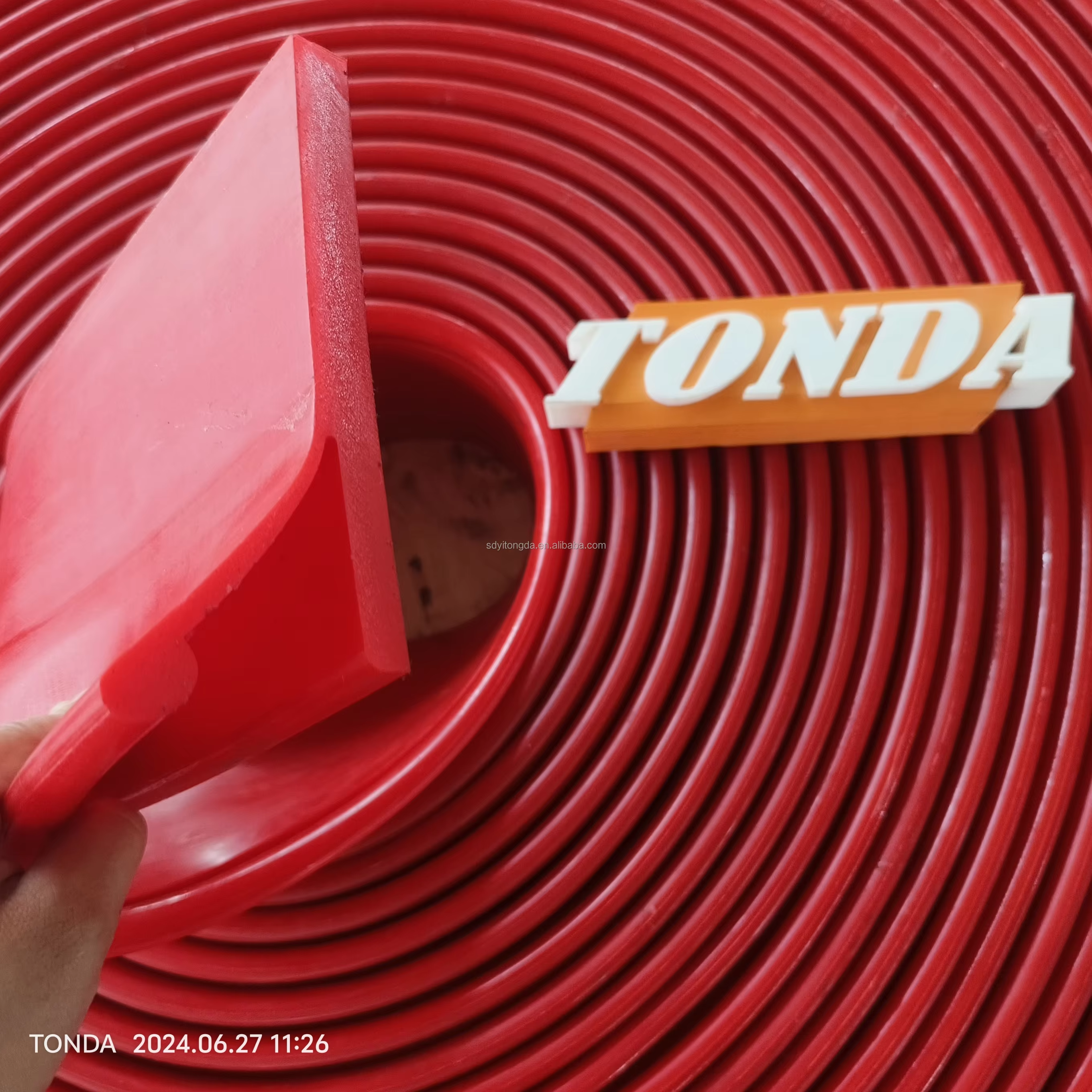
The Critical Role of Conveyor Skirting in Bulk Material Handling
In heavy industrial operations such as large-scale mining, aggregate processing plants, cement manufacturing facilities, and high-throughput port logistics terminals, maintaining a clean, efficient, and safe conveyor transfer point is paramount. Conveyor skirting functions as the primary physical defense mechanism against material spillage, fugitive material loss, and hazardous airborne dust emissions, ensuring strict operational safety and full environmental compliance. Drawing directly from hands-on field engineering experience and troubleshooting across various global bulk material handling sites, selecting the proper skirting material directly dictates overall operational uptime and profitability. While traditional rubber skirting has remained a standard industry staple for several decades due to its initial familiarity and low upfront cost, rapidly evolving industrial demands, higher belt speeds, and harsher abrasive ores require significantly higher performance standards. In response to these operational challenges, advanced polyurethane has emerged as the definitive superior alternative, fundamentally transforming how modern industrial facilities approach transfer point sealing, belt preservation, and environmental containment across diverse global markets and applications. Furthermore, industry experts note that sealing efficiency directly correlates with a facility's overall productivity and safety records, making material selection a foundational choice for plant managers.
Material Science Advantage: Superior Wear Resistance and Extreme Durability
When thoroughly evaluating material longevity and structural degradation under harsh operating conditions, polyurethane consistently outperforms conventional rubber by a massive margin. Standard rubber compounds are inherently prone to rapid surface abrasion, gouging, splitting, and structural degradation when continually exposed to sharp, jagged, heavy ores, wet slurries, or high-speed conveyor belts. In stark contrast, advanced engineered polyurethane formulations boast exceptional tensile strength, incredible load-bearing capacity, and high cut-and-tear resistance. Extensive field data compiled across rugged mining and aggregate environments consistently demonstrates that high-grade polyurethane skirting can last significantly longer than standard rubber alternatives under identical operating stresses. This drastically extended wear life minimizes the frequency of routine adjustments and component replacements, translating directly into fewer manual maintenance interventions, reduced exposure to workplace hazards, and lower overall maintenance overhead for plant operators and maintenance engineers alike. Additionally, polyurethane resists oils, chemicals, and temperature fluctuations far better than standard rubber compounds, ensuring consistent performance in extreme weather conditions.
Advanced Friction Dynamics and Comprehensive Belt Protection
A frequent, costly challenge routinely encountered with conventional rubber skirting is high surface friction and drag against the moving conveyor belt. As traditional rubber skirts wear down unevenly or are over-tightened by maintenance staff to prevent leaks, they create excessive mechanical drag, which accelerates belt top-cover groove wear, consumes extra electrical energy from drive motors, and generates localized heat that can damage the belt carcass. Polyurethane skirting is scientifically engineered with a significantly lower coefficient of friction while meticulously maintaining an optimal material durometer for balanced flexibility and stiffness. This unique metallurgical and chemical balance allows the skirt board to maintain a consistent, gentle, yet effective contact seal with the moving belt surface without gouging, scraping, or fraying the protective cover, thereby preserving the structural integrity and maximizing the service lifespan of expensive heavy-duty conveyor belts. By reducing frictional drag, facilities also benefit from lower power consumption and reduced strain on drive systems.
Superior Dust Suppression and Long-Term Sealing Efficiency
Effective dust control and containment are absolutely critical for meeting increasingly strict environmental regulations, air quality standards, and workplace health and safety laws. Over time under continuous operational vibration, conventional rubber skirting tends to curl, sag, soften, or harden, creating unwanted gaps and channels that permit fine dust particles and material fines to escape into the atmosphere. Comprehensive industry studies focusing on transfer point containment show that engineered polyurethane skirting—especially variants featuring dual-lip profiles or precision bevel designs—maintains a self-maintaining sealing edge and consistent, uniform downward pressure against the belt. According to leading bulk handling and dust mitigation experts, maintaining this tight, reliable seal helps suppress fugitive dust emissions effectively, preventing hazardous material accumulation around critical pulleys and idlers while substantially lowering facility cleanup labor costs. Maintaining proper containment also reduces the risk of combustible dust accumulation, thereby enhancing overall workplace safety.
Total Cost of Ownership and Long-Term Commercial Value
While the initial procurement cost of premium polyurethane skirting may be marginally higher than basic, low-grade rubber strips, a comprehensive total cost of ownership analysis reveals profound, undeniable economic advantages over the lifecycle of the conveyor system. Facility managers and plant directors frequently discover that the hidden, cumulative expenses of rubber skirting—such as frequent manual adjustments, emergency maintenance shutdowns, premature belt replacement costs, and intensive daily cleanup labor—far outweigh its lower upfront purchase price. Investing in high-grade polyurethane solutions delivers a robust, quantifiable return on investment through maximized system uptime, enhanced safety, and reduced operational risks. For industrial buyers, plant engineers, and procurement specialists seeking dependable, long-term supply chain partnerships, collaborating with specialized manufacturers like Tonda ensures direct access to precision-engineered polyurethane products, robust custom fabrication capabilities, and reliable global manufacturing support explicitly designed to optimize demanding bulk material handling operations worldwide.
Table of Contents
- The Critical Role of Conveyor Skirting in Bulk Material Handling
- Material Science Advantage: Superior Wear Resistance and Extreme Durability
- Advanced Friction Dynamics and Comprehensive Belt Protection
- Superior Dust Suppression and Long-Term Sealing Efficiency
- Total Cost of Ownership and Long-Term Commercial Value