 EN
The Shift Toward Advanced Industrial Screening Media
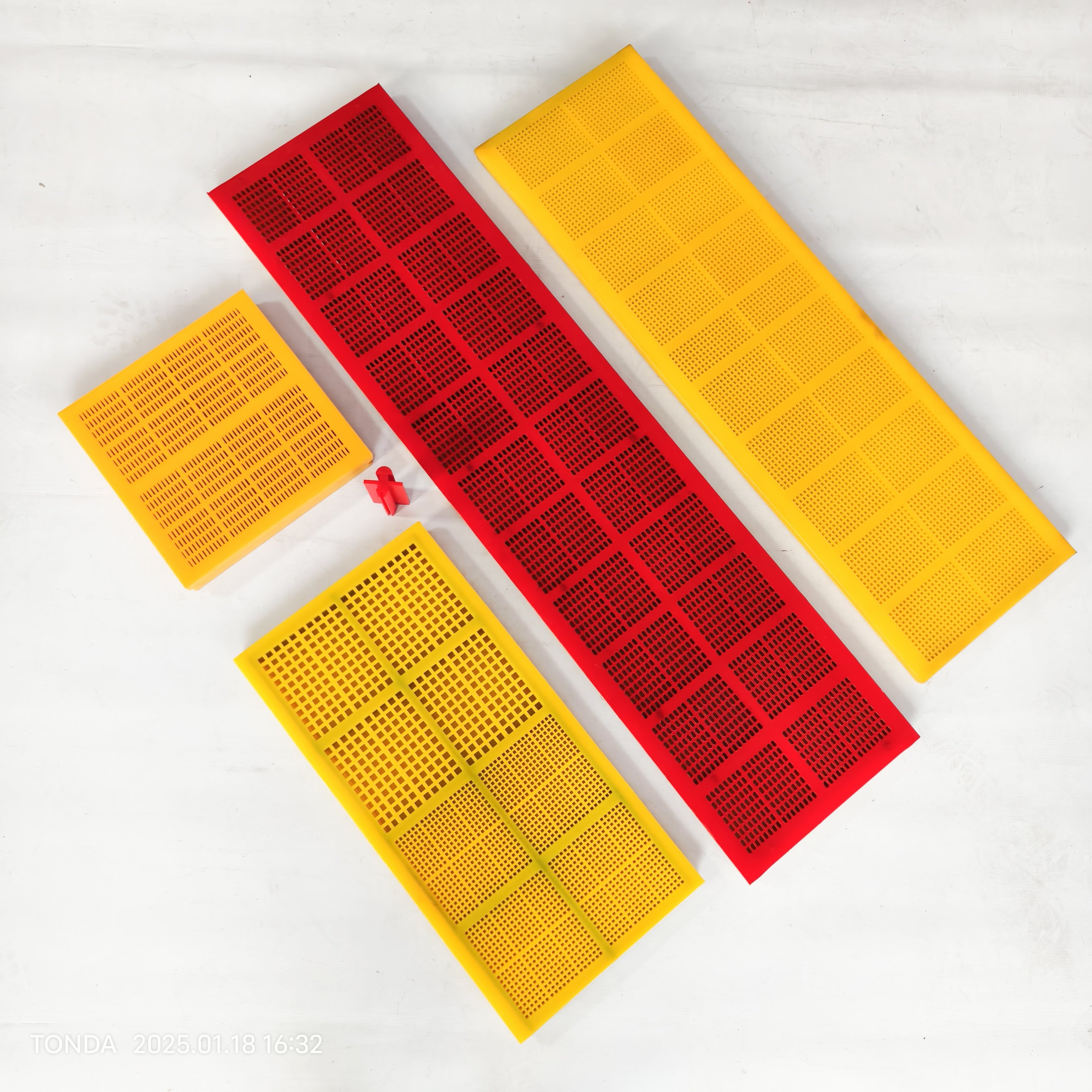
When walking onto the processing floor of a modern mineral separation facility or aggregate plant, plant managers and senior process engineers often debate the choice of screening media. In high-volume industrial operations handling abrasive ores, coal, or crushed stone, traditional woven wire meshes frequently suffer from rapid structural wear, frequent operational failures, and frustrating material blinding. A very common question among plant supervisors is why upgrading to a polyurethane vibrating screen has become the undisputed gold standard across demanding industrial sectors worldwide. The short answer is an absolute yes regarding performance superiority, provided that the screening panels are custom-formulated for specific cut points, material hardness, and load profiles. Over the past decade, switching from rigid steel to advanced elastomer media has revolutionized screening efficiency, drastically reducing unplanned maintenance shutdowns and transforming how industrial facilities manage material classification.
Material Science and High-Frequency Screening Mechanics
From an advanced materials engineering perspective, the exceptional performance of polyurethane screens stems from unique elastomer chemistry and molecular resilience. Unlike traditional steel meshes that transmit impact energy directly into structural fatigue, high-grade polyurethane absorbs severe mechanical shock while maintaining remarkable tensile strength. During technical evaluations at high-capacity aggregate plants, engineers observe that polyurethane panels feature specially engineered aperture geometries—such as slotted or square openings that expand slightly under vibrational forces. This dynamic flexibility prevents near-size particles from getting stuck, a phenomenon widely known as pegging. By combining high abrasion resistance with inherent vibration-damping properties, the material delivers clean, precise separation across millions of continuous operating cycles without losing structural integrity.
Overcoming Shop Floor Challenges and Material Blinding
Drawing from extensive plant-floor consulting and troubleshooting experiences across various mining and wet-screening operations, one of the most persistent production hurdles has always been screen blinding caused by moisture and clay-rich feed. Traditional steel meshes easily clog under wet conditions, forcing operators to halt production repeatedly for manual clearing. In notable plant case studies involving mineral processing facilities struggling with severe slurry buildup, engineers successfully retrofitted vibrating decks with modular polyurethane screen panels. The self-cleaning action of the flexible polyurethane apertures successfully repelled sticky fines, ensuring uninterrupted material flow. Consequently, processing efficiency surged dramatically, proving that advanced elastomer technology directly protects operational productivity and eliminates tedious downtime.
Maximizing Economic Value and Return on Investment
Beyond technical mechanics and sizing precision, investing in a high-grade polyurethane vibrating screen unlocks profound commercial and financial value for industrial enterprises. In an era marked by rising labor costs, equipment replacement expenses, and strict output targets, traditional steel wire screens incur high recurring costs due to short service lifespans. Polyurethane screens typically outlast wire mesh by several factors, significantly reducing replacement frequency and maintenance overhead. Furthermore, maintaining consistent aperture accuracy eliminates product off-spec rejections. Comprehensive financial analysis across multiple heavy industrial projects indicates that capital expenditures invested in professional polyurethane screening solutions achieve rapid return through eliminated maintenance labor, minimized downtime, and amplified daily throughput.
Ensuring Compliance, Safety, and Quality Standards
When procuring or custom-building material classification upgrades, absolute transparency and strict adherence to international industrial manufacturing standards are critical. Authoritative engineering bodies emphasize that polyurethane screening elements must be formulated with hydrolysis-resistant compounds and precise durometer ratings to withstand harsh chemical environments and abrasive slurry streams. A premier screening panel must also feature user-friendly modular connection systems to allow safe, rapid installation without requiring heavy lifting equipment or complex tools. Procurement teams should always verify whether equipment suppliers maintain rigorous pre-shipment quality control protocols and provide clear structural guidelines, ensuring immediate reliability and safety upon final integration.
Excellence in Polyurethane Screening Solutions with Tonda
Achieving flawless particle sizing, exceptional wear resistance, and long-term operational reliability in modern mineral processing demands deep industry expertise and robust custom engineering capabilities. Tonda leverages decades of manufacturing experience and cutting-edge polymer innovation to provide global industrial clients with highly reliable, customized polyurethane screening solutions. From precision-formulated elastomer compounds and optimized aperture geometries to comprehensive supply chain support, Tonda maintains stringent quality control protocols that ensure every product delivers superior performance. Partnering with Tonda empowers industrial facilities worldwide to optimize material classification, conquer complex processing challenges, and maintain a competitive edge in the global marketplace.
Table of Contents
- The Shift Toward Advanced Industrial Screening Media
- Material Science and High-Frequency Screening Mechanics
- Overcoming Shop Floor Challenges and Material Blinding
- Maximizing Economic Value and Return on Investment
- Ensuring Compliance, Safety, and Quality Standards
- Excellence in Polyurethane Screening Solutions with Tonda