 EN
EN
Why Conveyor Skirting Is Essential for Hazardous Material Containment
The fugitive material challenge in hazardous conveyance
When moving hazardous powders or corrosive chemicals through conveyor systems, there's always a serious risk of containment failure right at those transfer points between belts. The problems multiply when these dangerous materials escape containment: workers might breathe in cancer-causing dust particles, harmful substances could seep into the ground and pollute surrounding areas, and spilled material often leads to dangerous slips and falls across factory floors. Facilities dealing with flammable dust face an especially dire situation. A tiny spark generated by escaping powder can set off devastating explosions that shut down entire plants. Standard rubber seals simply don't hold up against constant heavy loads, breaking down quickly and leaving gaps where dangerous particulates escape. These failures routinely push worker exposure levels way beyond what OSHA considers safe according to NIOSH studies. Plants without proper engineered skirting systems installed typically end up paying tens of thousands in EPA penalties each year, not to mention facing possible closure orders if violations continue month after month.
How dynamic conveyor skirting creates a reliable containment seal
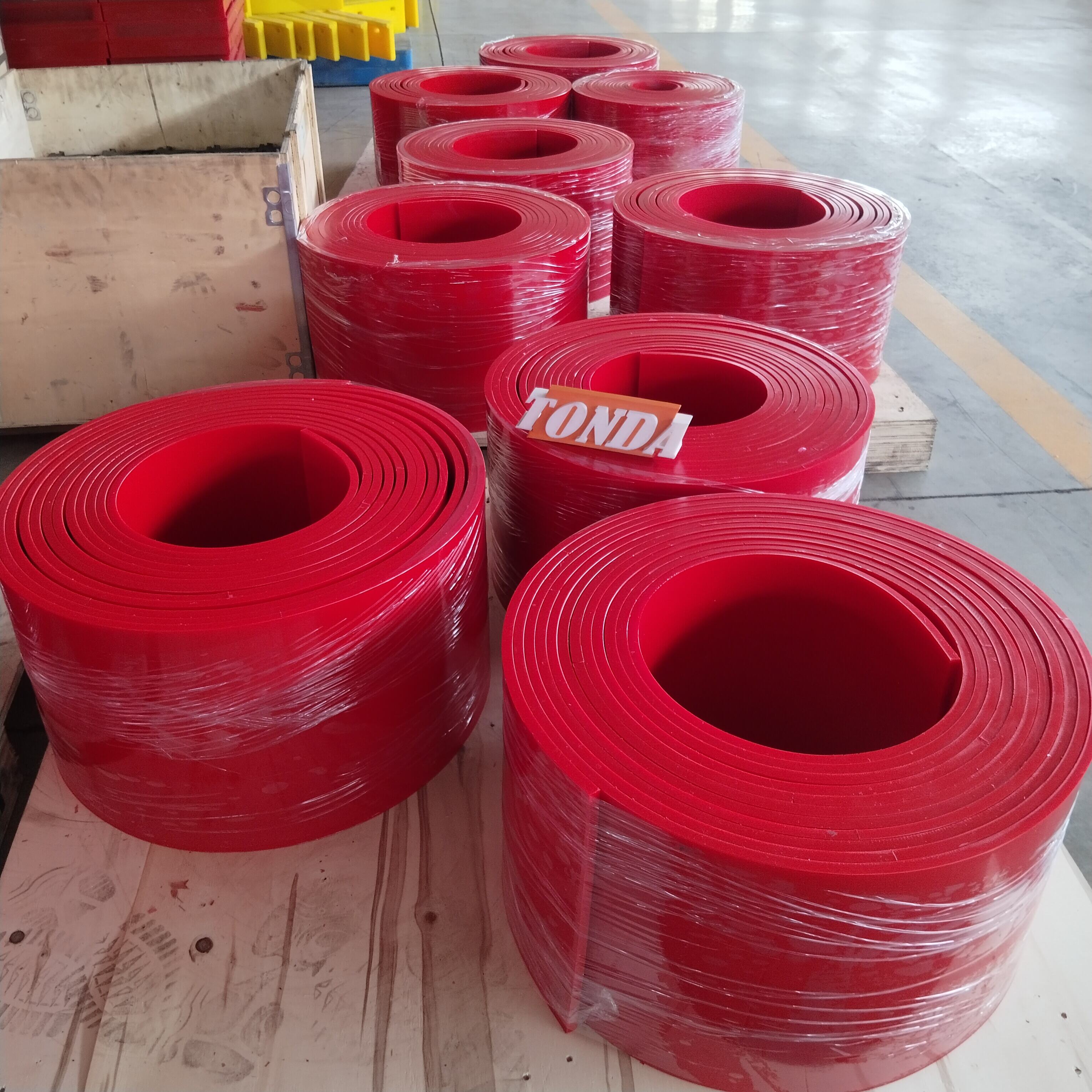
Conveyor skirting systems tackle these common issues with their multi-level sealing approach. The main component consists of urethane blades that adjust to the uneven surfaces of moving belts, while additional layered skirts handle side-to-side movement problems. One standout feature is the tension adjustment system that keeps pressure steady even when the conveyor starts and stops repeatedly, which prevents dangerous air gaps where flammable materials might catch fire. Real world tests show these systems trap dust at around 99.8% efficiency rate when set up correctly, meaning far less need for cleaning crews, saving approximately 18 tons of lost material each month in busy operations, and keeping emissions under control at less than half a percent. Plus, the constant seal prevents water from getting inside, so belts last about 40% longer before needing replacement, maintaining their strength over time.
Conveyor Skirting Safety Integration: Preventing Entanglement, Impact, and Spillage
OSHA-Compliant Skirting Design Principles for Personnel Protection
Good conveyor skirting needs to follow those important OSHA rules to keep workers safe from getting caught in moving parts, impacted by heavy objects, or exposed to dangerous materials. Some key things manufacturers should look for are guards that cover the entire length of where items transfer between conveyors, strong barriers that can withstand falling debris, and emergency stop cords that run the whole length of the conveyor system. Materials that dissipate static electricity (with surface resistivity below 10^9 ohms) help prevent sparks when dealing with combustible dusts. Sealed edges on the skirting also stop harmful particles from escaping into the work area. According to recent studies from NIOSH in 2023, facilities handling toxic materials saw a drop of around 63% in worker injuries after implementing these safety measures properly.
Balancing Guarding Integrity with Operational Access and Maintenance Safety
Good skirting design does double duty when it comes to keeping operations running smoothly while staying within safety regulations. The panels are built in modules that snap together, so workers can take them off quickly to check belt edges and look at those pesky idlers without waiting around for lockout tagout procedures. Compression systems adjust themselves automatically, keeping seals tight even as temperatures fluctuate throughout the day, which means replacing skirts takes minutes instead of hours. Made with non conductive materials too, these systems stay safe even when water gets involved during cleaning. Rounded corners on everything help avoid material getting caught up in moving parts. All this smart engineering adds up to about 40 less percent downtime during planned maintenance windows, plus it ticks all the boxes for OSHA's 1910.176 standards regarding safe equipment access.
Regulatory Compliance and Environmental Protection Through Advanced Conveyor Skirting
Meeting EPA 40 CFR Part 63 and OSHA 1910.176 requirements with purpose-built skirting
Any facility dealing with dangerous materials needs to follow EPA regulations found in 40 CFR Part 63 for Hazardous Air Pollutants as well as OSHA's 1910.176 guidelines on Material Handling and Storage. The consequences for breaking these rules are serious stuff too. Fines can go over $15,000 for each violation according to OSHA data from 2023, not to mention the huge costs involved in cleaning up environmental damage later on. Conveyor skirting designed specifically for this purpose actually meets both sets of requirements. These systems create a tight seal around transfer points that traps those pesky airborne particles right where they're generated, which helps satisfy Subpart RRR emission limits. Plus, they get rid of slip risks and prevent workers from coming into contact with toxic substances, something OSHA 1910.176 demands. Newer models now come with special materials that dissipate static electricity and resist chemicals, making them safe for handling substances that react violently or easily catch fire. Real world tests show these systems maintain better than 99 percent containment during actual bulk material transfers, according to Bulk Solids Handling research in 2022. Plants that switch to these upgraded systems tend to see around 60 percent fewer compliance problems each year because there's just less material escaping and inspections become much easier to manage overall.
Selecting the Right Conveyor Skirting for Abrasive, Static-Prone, or Chemically Aggressive Hazards
Material compatibility, wear resistance, and static-dissipative properties
When it comes to picking the right conveyor skirting, there are really three key factors worth considering. Chemical compatibility matters a lot because materials break down faster when exposed to certain substances. Polyurethane tends to hold up better than regular rubber against things like hydrocarbons, acids, and solvents, which means seals stay intact longer. Then there's wear resistance, especially important for tough jobs involving ores or minerals. Skirting reinforced with steel cords can handle impacts over 15 joules per cubic centimeter, and many facilities report needing replacements about 60% less often in areas where friction is highest. Don't forget about static dissipation either. For places dealing with combustible dust, surface resistivity below 10^9 ohms isn't just recommended it's absolutely necessary to prevent sparks from electrostatic discharge in potentially explosive environments. Look for skirting that covers all these bases at once without sacrificing any aspect of performance like flexibility, how long it lasts, or how well it maintains pressure.
Frequently Asked Questions (FAQ)
What is conveyor skirting used for?
Conveyor skirting is used to create a seal between the conveyor belt and the transfer points, preventing hazardous materials from escaping and ensuring safe containment.
Why is conveyor skirting important for hazardous material containment?
Conveyor skirting prevents fugitive material spills, reduces hazardous exposure, and minimizes environmental pollution, ensuring compliance with safety and environmental regulations.
How does dynamic conveyor skirting work?
Dynamic conveyor skirting utilizes urethane blades that adjust to belt surfaces and additional layers to handle movement, creating a tight seal that prevents material escape and leaks.
How does conveyor skirting comply with OSHA and EPA regulations?
Conveyor skirting meets OSHA and EPA standards by preventing slip risks, trapping airborne particles, and using static-dissipative materials to handle combustible dusts safely.
Table of Contents
- Why Conveyor Skirting Is Essential for Hazardous Material Containment
- Conveyor Skirting Safety Integration: Preventing Entanglement, Impact, and Spillage
- Regulatory Compliance and Environmental Protection Through Advanced Conveyor Skirting
- Selecting the Right Conveyor Skirting for Abrasive, Static-Prone, or Chemically Aggressive Hazards
- Frequently Asked Questions (FAQ)