
 EN
EN
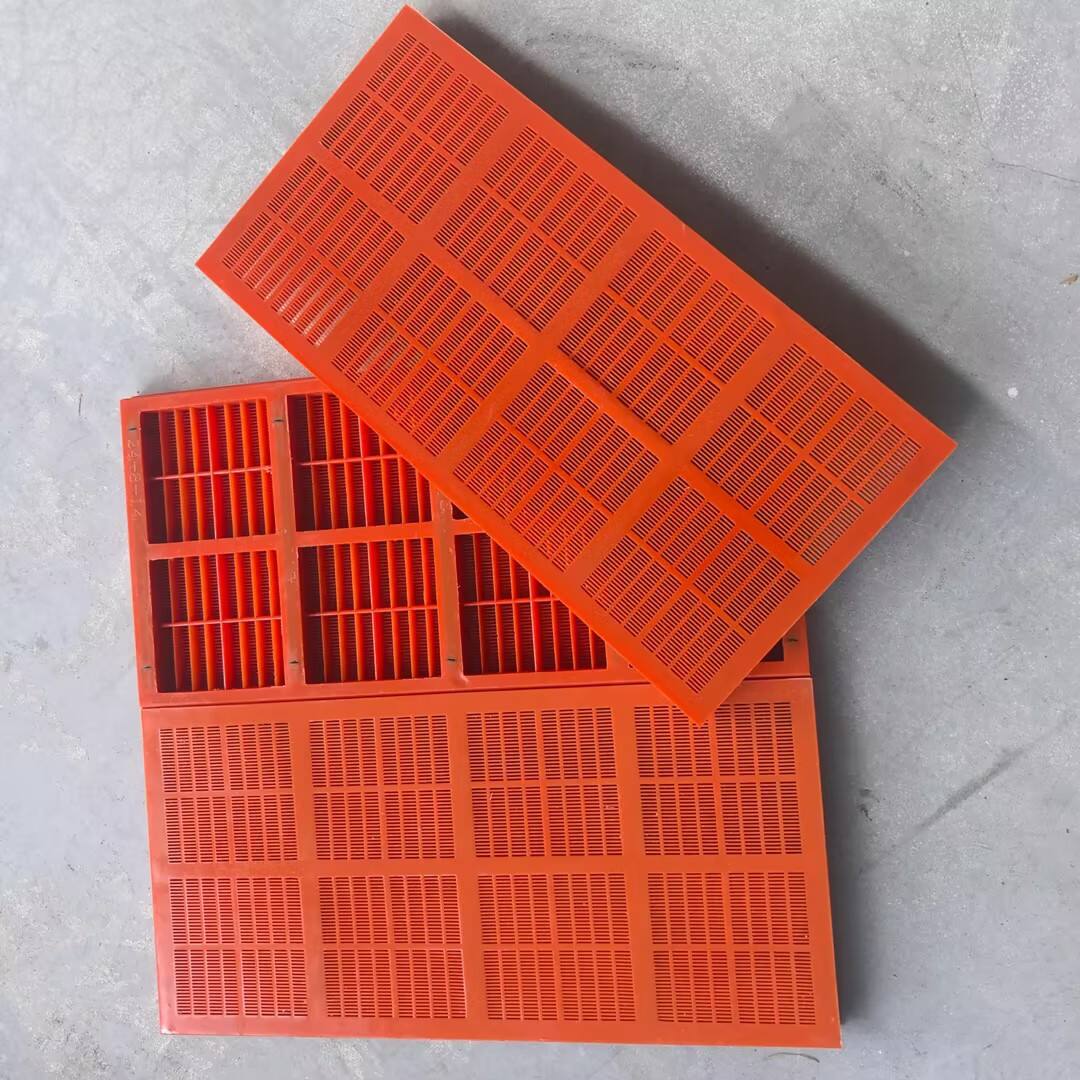
How a Dewatering Screen Works: Core Mechanism and Physical Principles
Vibratory Motion and Deck Inclination: Enabling Capillary Breakage and Gravity Drainage
Dewatering screens work by creating intense vibrations usually from those counter rotating motors we see on these machines, combined with decks angled at around 3 to 5 degrees. This setup breaks the capillary action holding water to particles and lets gravity do most of the heavy lifting for quick drainage. What makes these screens so effective is this combination approach which can remove water up to 80 percent faster compared to regular filters sitting still. When the screen vibrates linearly, it basically turns the material into something like a loose layer, letting free water escape through the mesh while pushing the solid stuff uphill along the deck. Getting the throw angle just right matters a lot too because it helps separate different sized particles without breaking down the smaller ones. This becomes really important in mining operations where losing those tiny particles means losing money on potential yields. The machines typically run between 1,000 to 3,600 revolutions per minute for best results, though operators have to watch out for how much power they're consuming and what kind of stress this puts on all the moving parts over time.
Screen Media Design: Role of Aperture Size, Open Area, and Layered Deck Configuration
Screen media performance hinges on three interdependent design factors:
| Design Factor | Function | Optimization Principle |
|---|---|---|
| Aperture size | Controls particle retention | Must exceed largest particle diameter by 25–40% to prevent blinding |
| Open area | Governs water drainage capacity | Higher percentages (up to 40%) accelerate dewatering but reduce media lifespan |
| Layered decks | Enables staged separation | Coarse upper layers remove bulk water; fine lower layers capture residual moisture |
In abrasive environments, polyurethane has become the go to choice compared to rubber materials. The reason? It lasts about five times longer before needing replacement. That makes a big difference in maintenance costs over time. For multi deck setups where each level has progressively smaller openings, we typically see residual moisture stay under 15% most of the time. Even when dealing with tough materials such as clay bound aggregates that tend to hold onto water, this setup works surprisingly well. Proper engineering matters though. Well designed systems can handle processing rates exceeding 500 tons per hour without compromising on keeping moisture levels within acceptable ranges. Some plants report handling even higher volumes depending on their specific requirements and equipment configuration.
Key Performance Metrics for Dewatering Screen Selection
Throughput Capacity vs. Residual Moisture: Navigating the Fundamental Trade-Off
Choosing the right dewatering screen really comes down to finding the sweet spot between how much material gets processed and how dry the end product ends up. There's always this basic tradeoff because of how fluids behave. When we push more material through faster, the stuff spends less time in the machine, so it doesn't get as much chance to shed that stubborn capillary water. Industry data shows something interesting too: bumping throughput by around 40% tends to leave products with 5 to 8% more moisture than desired according to what most plants track these days. Fortunately, modern screens come with adjustable deck angles ranging from about 12 degrees to 25 degrees, plus those handy variable frequency drives. These features let plant managers tweak settings on the fly depending on whether they need maximum output today or better drying performance for quality control purposes, all without having to rip out and replace entire systems just to make changes.
Material-Specific Factors: Particle Size Distribution, Surface Tension, and Clay Content
Material properties significantly affect dewatering outcomes:
| Factor | Impact on Dewatering | Mitigation Strategy |
|---|---|---|
| Particle Size Distribution (PSD) | Broad PSD increases blinding risk; fines retain moisture | Layered screens with stepped apertures |
| Surface Tension | High tension impedes water release—common in mineral slurries | Chemical additives or spray bars |
| Clay Content (>8%) | Forms impermeable layers trapping moisture | Pre-screening or attrition scrubbing |
Clay-rich feeds increase residual moisture by 12–18% compared to granular materials. Selecting appropriate screen media—polyurethane mats for sticky, cohesive feeds versus woven wire for coarse, free-draining aggregates—is essential to sustain performance and minimize maintenance.
Industrial Applications of the Dewatering Screen Across Sectors
Mining & Aggregates: Sand Dewatering and Fines Recovery at Nevada Quarry
Dewatering screens play a crucial role in mining and aggregate processing by removing excess water from sand and crushed stone while capturing those valuable fine particles. Take for example what happened at a quarry in Nevada where these systems brought down the moisture content to below 10%. This meant they could pile up and transport the material directly without needing any additional drying steps. An impressive case study showed one particular setup managed to recover around 95% of all those fine materials thanks to specially designed polyurethane components. What this does is turn what would normally be waste slurry back into something useful, which cut pond maintenance expenses by roughly 40% according to the 2024 Quarry Operations Report. Beyond just saving money, these improvements help reduce the need for fresh water and shrink the amount of tailings produced overall.
Recycling & Food Processing: Starch Recovery and Wet Fractionation Advantages
Dewatering screens really help sort materials better and recover valuable resources across recycling operations and food processing plants. When making starch, these machines take out water from those pulpy leftovers, leaving behind dry solids that have around 18% moisture or less. This makes them suitable for things like animal feed or even biofuel production while cutting down on the energy needed for further drying processes by roughly a quarter. At closed loop recycling centers, what sets these screens apart is their ability to separate wet fractions of different materials. They can isolate glass, plastic bits, and metal fragments with purity levels about 30% higher compared to older techniques according to Material Processing Digest from last year. Plus, since they don't take up much space, plant managers find it easier to install them alongside current equipment without having to overhaul entire production lines or spend big bucks on new infrastructure.
Optimizing Dewatering Screen Implementation: Maintenance, Troubleshooting, and ROI
Proper maintenance extends equipment life and sustains peak performance. Regular inspections identify early wear in screen panels, bearings, or drive components—preventing unplanned downtime. Polyurethane decks are especially effective for minimizing clogging and extending service intervals; replace worn sections promptly to preserve separation accuracy and drainage rate.
Troubleshoot issues methodically:
- Blinding reduces drainage—adjust feed rate downward or increase deck inclination slightly.
- Uneven material distribution accelerates localized wear—center feed chutes and verify uniform loading across the width.
- Persistent high moisture often signals mismatched media or insufficient residence time—verify aperture sizing against PSD and consider increasing negative deck angle to extend dwell time.
When implemented properly, these systems offer impressive returns on investment. Well maintained equipment typically consumes around 15 to maybe even 20 percent less energy compared to those that have fallen into disrepair. Less residual moisture means both lower drying costs and lighter loads during transport. Components also last longer when properly cared for, cutting down on replacement costs by roughly 30% over about five years. These savings boost the bottom line significantly. At the same time, they help companies reduce their environmental impact since there's simply less water being used overall and fewer waste materials generated throughout operations.
FAQ
- What is a dewatering screen? A dewatering screen is a machine used to remove water from wet materials, commonly used in mining, aggregate processing, recycling, and food production.
- How do dewatering screens work? They leverage intense vibrations and an inclined deck to separate water from solid particles efficiently.
- What materials are dewatering screens best suited for? They work well with sand, crushed stone, clay-bound aggregates, and wet fractions in recycling processes.
- What are some design considerations for dewatering screens? Important considerations include aperture size, open area, and using layered decks to ensure efficient performance.
- How does maintenance affect dewatering screen performance? Regular maintenance and inspections are crucial in avoiding unplanned downtime and prolonging equipment life.