 EN
EN
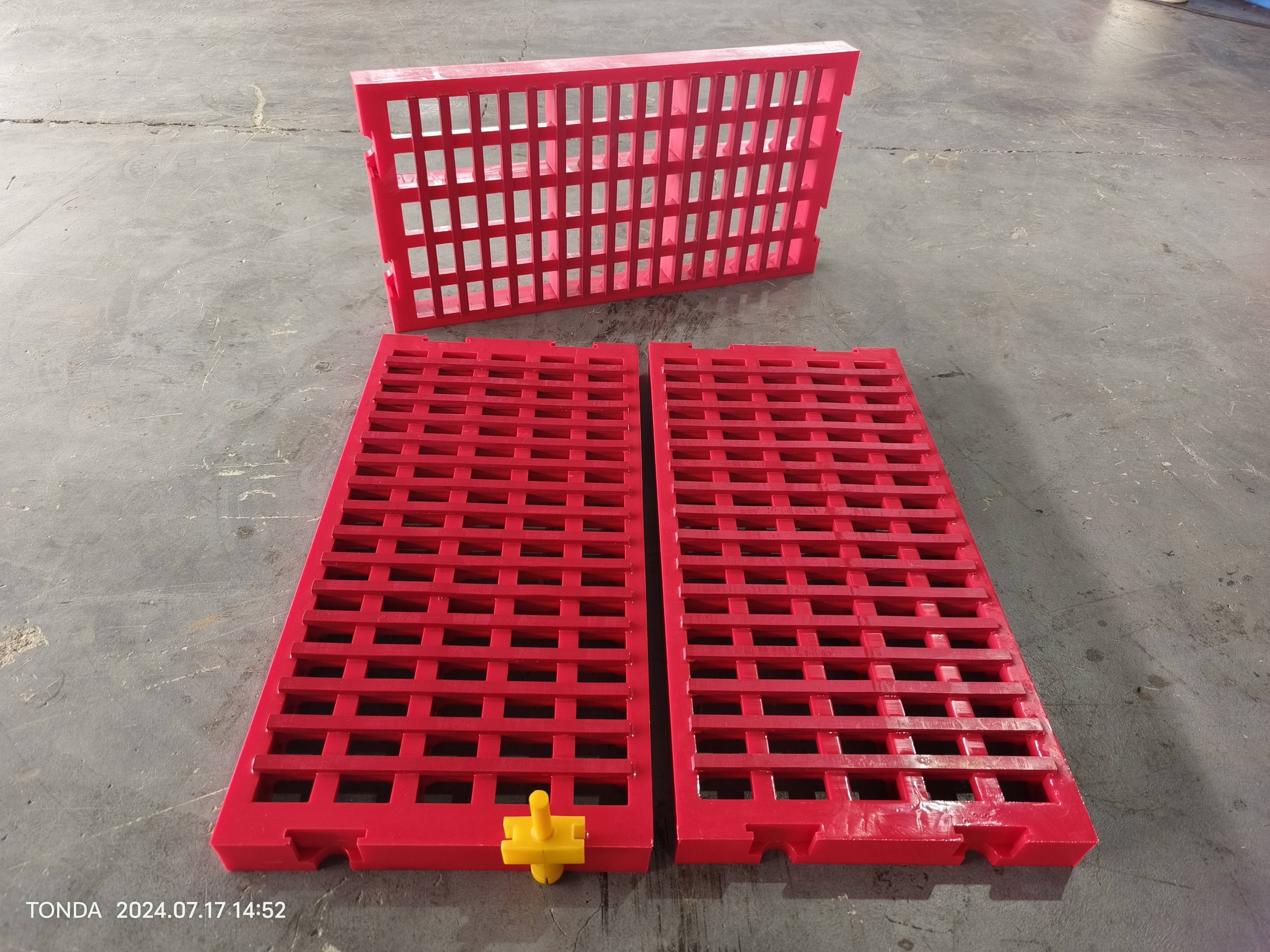
How Deck Modular Panels Accelerate Screen Changeovers
Reducing Downtime with Panel-Level Swapping Instead of Full Deck Replacement
Traditional screening systems require full deck replacements at the first sign of wear—triggering hours of unplanned downtime. Deck modular panels eliminate this bottleneck by enabling targeted, panel-level swaps. Operators replace only worn sections in minutes, avoiding complete deck disassembly. This precision approach delivers measurable gains:
- 70% faster changeovers versus conventional fixed decks
- Lower material costs—replacing just 10–30% of the surface area where wear is concentrated
- Elimination of waste from discarding fully functional deck sections
This efficiency is especially impactful in abrasive applications—such as ore or aggregate processing—where wear is highly localized and full-deck replacement is both costly and unnecessary.
Standardized Mounting Interfaces and Interchangeable Design Principles
Rapid deployment stems from purpose-built uniformity. Universal mounting systems—whether hook-and-loop, bolted, or snap-fit—ensure seamless compatibility across all deck positions. Core design features include:
- Tool-free installation, allowing personnel with minimal training to perform swaps confidently
- Consistent tensioning specifications across all panels, ensuring uniform screening performance
- Precision-machined locking edges that preserve deck flatness and alignment without recalibration
This interchangeability simplifies inventory: facilities stock one standardized panel type instead of multiple deck-specific variants. It also supports dynamic reconfiguration—operators can mix aperture sizes or media types across deck zones to match variable feed gradations, all without structural modifications.
Operational and Economic Advantages Over Traditional Fixed Decks
Plug-and-Play Deployment: Faster Media Adaptation for Variable Feed Material
Modular panels really do offer that plug and play flexibility we all want these days. Screen media can be changed in just a few minutes instead of spending hours on the job. Feed compositions tend to change for various reasons like different ore grades coming through, seasonal moisture fluctuations, or when multiple feed streams get mixed together. Operators can then tweak specific panel zones as needed right there at the site. No need to take apart entire fixed decks like old systems required. The standardized connections make it possible to swap out components exactly where they're needed. And this kind of responsiveness cuts down on adjustment time by around 70% according to field tests. Production stays steady throughout the process since there's no downtime waiting for equipment changes.
Lifecycle Cost Analysis: Lower TCO with Reduced Labor, Downtime, and Spare Inventory
Independent industry analyses confirm modular systems reduce Total Cost of Ownership (TCO) across three primary levers:
- Labor: 45% fewer maintenance hours per change cycle, thanks to simplified handling and universal tooling
- Downtime: An average of $18,000 saved per incident, driven by drastically shortened line stoppages
- Inventory: A 60% smaller spare-part footprint—enabled by panel standardization and cross-position compatibility
By replacing only compromised sections—not entire decks—facilities cut annual screening expenses by 22–35% while preserving screening efficiency and product consistency.
Design Integrity and Safety Benefits of Deck Modular Panels
Balancing Lightweight Handling with Abrasion-Resistant Structural Performance
Modular deck panels tackle both the need for tough industrial performance and easier handling for workers on site. Made from engineered polymer blends mixed with ceramic additives, these panels stand up to wear and tear much better than traditional steel options while cutting down on weight by around 30 to 40 percent. What makes them really useful is how they keep their shape even when subjected to heavy loads and impacts, which means they last two to three times longer in harsh mineral processing settings. The reduced weight doesn't mean weaker construction though. These panels stay strong enough to handle constant operations but light enough that one person can install them without needing special lifting equipment like hoists or cranes in most screening areas across the industry.
Ergonomic Installation and OH&S Gains from Manageable Panel Size and Weight
When screens have standardized sizes around 24 inches by 36 inches and weigh under fifty pounds, maintaining them becomes much safer work that only needs one person instead of multiple staff members risking injuries. Looking at what OSHA says about lifting risks, these redesigned systems cut down on muscle and bone injuries by about sixty percent. How? They get rid of those dangerous overhead lifts, twisting movements, and heavy pushing or pulling that happens when dealing with full decks. The smaller size makes things better too in tight spaces or up high areas where there's not much room to move around safely. We've seen plants speed up their media changes by almost half time, plus they're seeing seventy percent fewer incidents related to screen maintenance work. This means less money spent on worker compensation claims and fewer disruptions to day to day operations across the facility.
FAQ
1. How do modular deck panels reduce downtime?
Modular deck panels allow for targeted, panel-level swaps instead of entire deck replacements, significantly reducing downtime by enabling quick and efficient changes.
2. What is the economic advantage of using modular panels?
Modular panels reduce labor costs, downtime, and spare inventory requirements, leading to a lower Total Cost of Ownership (TCO) by as much as 22–35% annually.
3. Are modular panels safe for workers to handle?
Yes, modular panels are designed to be lightweight and ergonomically manageable, reducing the risk of workplace injuries and improving installation safety.