
 EN
EN
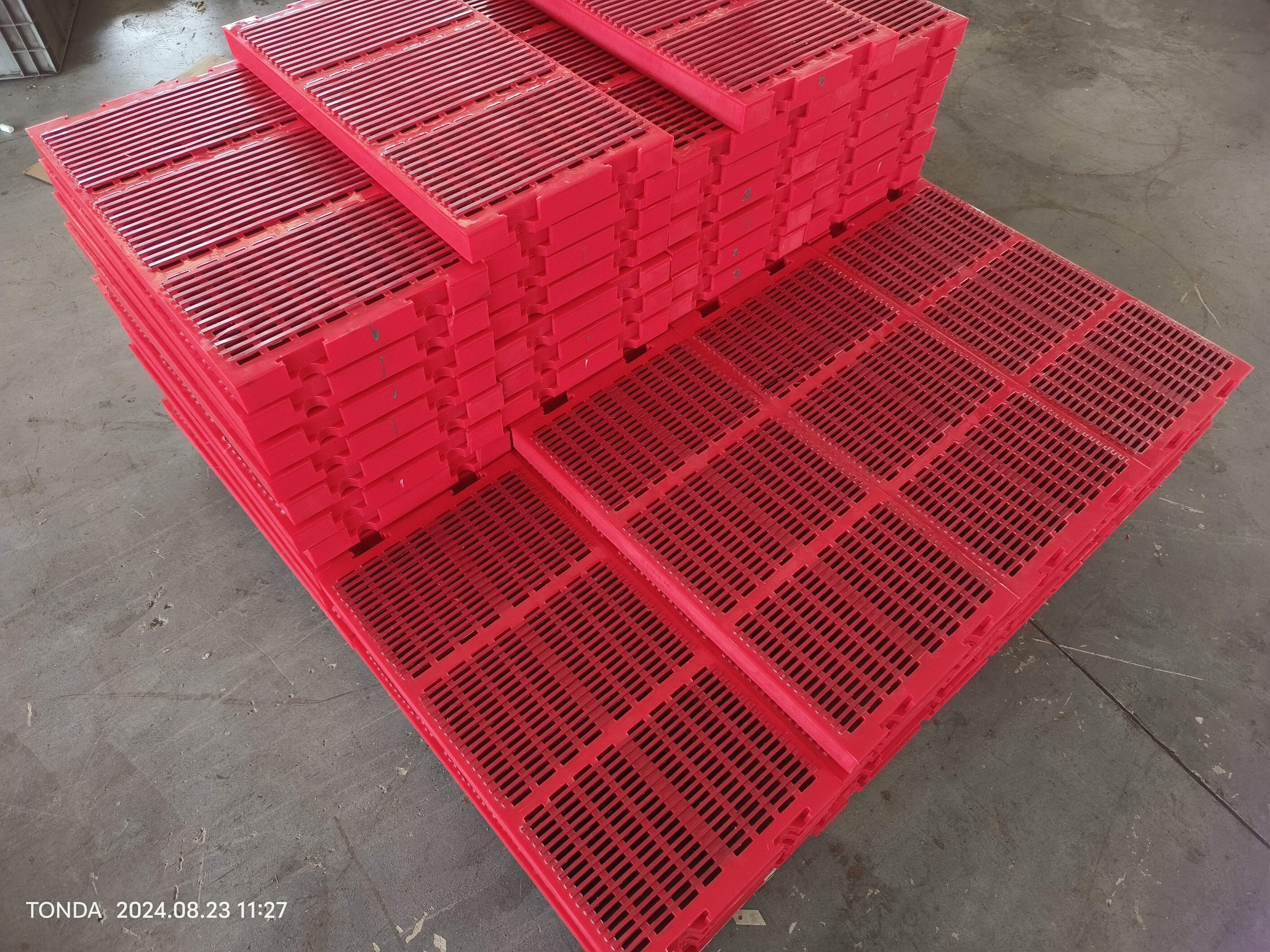
Why Deck Modular Panels Accelerate Large-Scale Screening Deployment
Meeting Urgent Public Health and Security Timelines with Prefabricated Speed
Modular deck panels really change how fast we can build those important screening facilities because they're made off site instead of on location. Traditional building approaches get stuck all the time from bad weather, not enough workers showing up, and having to do everything one step after another. Factory built panels let things happen at once though. While crews are getting ready at the actual site, the panels themselves are already being manufactured elsewhere. Most projects end up finishing between 30% and 50% faster overall, according to industry reports from last year. About a third of contractors saw their schedules cut down by over four whole weeks. When dealing with emergency situations like setting up testing sites during outbreaks or reinforcing security checkpoints along borders, this speed difference matters a lot. The panels come pre-made exactly to spec so installation happens right away without needing any extra work onsite like cutting pieces or doing welds. No more waiting around for adjustments means fewer delays holding up completion dates.
Case Evidence: 4,200 m² EU Border Screening Hub Delivered in 12 Weeks Using Deck Modular Panels
The EU recently completed a border security project that built a working 4,200 square meter screening facility in only 12 weeks, which is about 60 percent quicker than what traditional methods would take. They achieved this speed by using these standardized deck modular panels throughout the construction process. The building also had pre-routed MEP conduits ready to go, so when it came time to install all those security scanners, surveillance equipment, and access control systems, there was no need for messy on site wiring work. This saved around three to four weeks worth of coordination headaches normally encountered during such installations. What made this approach successful? Well, several things stand out as major accomplishments from this particular project.
| Metric | Traditional Construction | Deck Modular Panels |
|---|---|---|
| Installation Time | 30 weeks | 12 weeks |
| On-site Labor Requirements | 120 workers | 45 workers |
| Weather-Related Delays | 18 days | 0 days |
This deployment confirmed how deck modular panels reconcile speed with structural rigor—supporting high-traffic screening operations while meeting stringent EU infrastructure standards for durability, fire resistance, and accessibility.
Structural and Operational Benefits of Deck Modular Panels in Screening Environments
Steel-Based Panel Durability, Reusability, and Adaptability Across Temporary to Semi-Permanent Phases
Modular steel deck panels have shown excellent results in tough screening conditions where reliability matters most. These panels are built to stand up against corrosion, metal fatigue, and stresses from constant vibrations, even when subjected to continuous heavy foot traffic and equipment weight. Tests indicate they last around 40 to 60 percent longer than similar polymer products according to research published in Materials Performance Journal last year. The structural strength can handle distributed loads over 900 kg per square meter without noticeable bending or warping. This makes them ideal for supporting platforms that need stability for things like biometric kiosks, conveyor belts, and various mobile inspection setups commonly found in industrial settings.
Three operational advantages distinguish them:
- Reusability: Panels relocate intact across sites—verified in over 17 multi-phase deployments tracked by the International Modular Building Institute—avoiding material waste and replacement costs.
- Adaptability: Interlocking steel frames integrate with existing foundations or temporary bases, enabling rapid lane expansion, reconfiguration, or integration with legacy infrastructure.
- Phased deployment: Units deployed as emergency surge capacity can be seamlessly upgraded—via added cladding, insulation, or power modules—to serve long-term operational roles without demolition or redesign.
Operators report 30% lower lifetime maintenance costs, attributable to standardized, field-replaceable components and reduced need for structural reinforcement during upgrades.
Integrating Deck Modular Panels with Smart Screening Infrastructure
Seamless IoT and MEP Integration: How Deck Modular Panels Support Sensor-Ready Envelopes
Deck modular panels are engineered as sensor-ready building envelopes—integrating smart infrastructure at the design stage, not as a retrofit. Standardized, factory-installed MEP pathways and pre-terminated data conduits eliminate on-site conduit routing, reducing electrical and IoT integration time by up to 40%. This plug-and-play framework supports immediate deployment of:
- Biometric scanners and thermal imaging arrays
- Real-time air quality monitors and occupancy sensors
- Automated access control and threat-detection analytics platforms
Steel substrates offer natural electromagnetic shielding which helps keep sensitive electronic equipment running smoothly without interference. At the same time, built-in IoT gateways collect all the data from various edge devices into one central location. According to field tests published in the Smart Infrastructure Implementation Study by the U.S. DHS Science & Technology Directorate last year, these combined systems can lower false alarm rates by around 35% and speed up response times by approximately 22 seconds on average. The real advantage comes from how easy it is to upgrade this technology. Instead of tearing things apart for structural changes, technicians simply swap out individual modules when needed. This makes the whole system much more flexible as regulations change over time and new security threats emerge that require different detection methods.
Optimizing Total Cost of Ownership with Deck Modular Panels
Deck modular panels actually bring down the total cost of ownership (TCO) throughout an asset's entire lifespan, not just because they go up faster but thanks to some smart design thinking. The panels are made from steel which means there's way less maintenance needed over time, and these things can last for decades before needing replacement. That alone saves money on capital costs. Standardized sizes and factory built precision also mean less work onsite compared to traditional methods. Labor requirements drop by over half sometimes, which cuts project timelines and keeps wage costs under control. Plus, with built-in thermal breaks and good insulation options, heating and cooling systems don't have to work as hard, cutting annual energy bills by around 30%. And here's something interesting about flexibility: when regulations change or requirements shift, these panels can be moved around without tearing anything down. A government agency saved about $2.1 million over five years simply by moving existing modular setups rather than building new structures from scratch. When looking at all these factors together speed, durability, and adaptability deck modular panels offer real value for critical screening infrastructure projects.
FAQ
What are deck modular panels?
Deck modular panels are prefabricated construction panels made off-site. These panels are designed for rapid deployment in building screening facilities and similar structures.
How do deck modular panels speed up construction?
By being manufactured off-site, these panels allow for simultaneous site preparation and panel production, greatly reducing construction timelines.
What are the structural benefits of steel deck panels?
Steel deck panels are highly durable, resisting corrosion and metal fatigue while supporting heavy equipment and foot traffic without deformation.
How do deck modular panels integrate with modern screening technology?
The panels include pre-installed MEP pathways and IoT functionalities, offering seamless integration with biometric scanners, thermal imaging, and other technical systems.
Can deck modular panels reduce costs?
Yes, they can lower total ownership costs through efficient construction, reduced labor requirements, and energy savings, offering long-term economic benefits.