 EN
EN
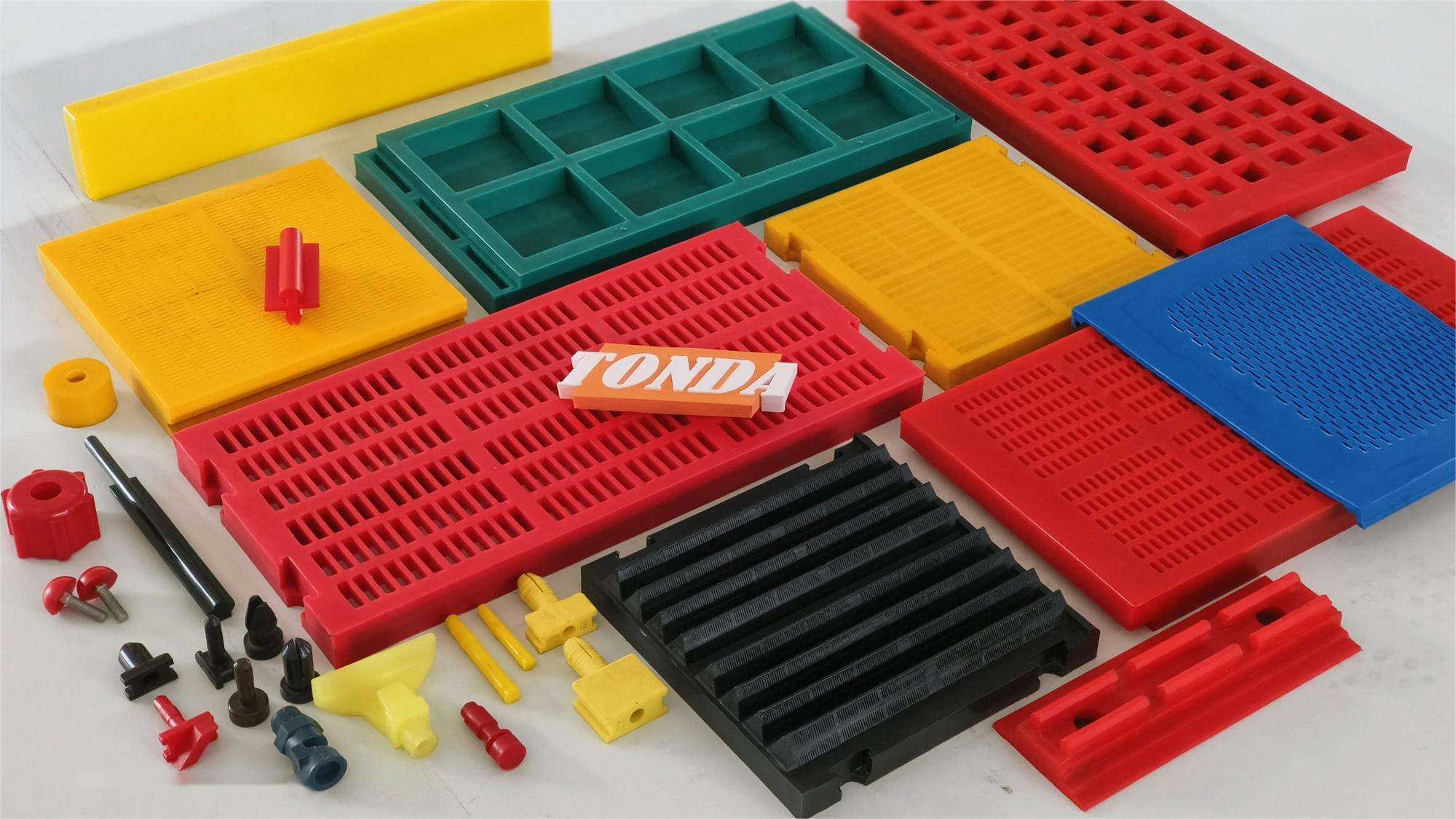
Material Science Advantages of Polyurethane Screen Media
Elastic Memory and Aperture Integrity Under Dynamic Load
The screen media made from polyurethane has amazing elastic memory that keeps the apertures intact even through tough vibration cycles. With a modulus of elasticity reaching around 50,000 psi, these materials bounce back quickly after being deformed. This property matters a lot for maintaining accurate sizing measurements when dealing with rough aggregates. Metal screens tend to bend out of shape permanently when hit hard, but polyurethane springs back to where it was originally. According to a report from Industrial Minerals in 2023, this helps cut down on wrong particle classifications by about 19 percent. Some main advantages worth noting are:
- Consistent opening sizes despite cyclic stress, preventing oversize contamination
- 40% longer operational lifespan versus stainless steel alternatives
- Vibration damping that minimizes stratification errors in multi-deck systems
Tapered Openings: Anti-Blinding Geometry for Sustained Accuracy
Our patented tapered hole design stops blinding issues by using progressively shaped apertures. The holes themselves form inverted cones that get wider as they approach the discharge end, typically between 15 to 25 degrees. This clever shape actually pushes stuck particles out instead of letting them build up inside. What does this mean for operations? The screen stays almost completely open (around 98%) even when dealing with tricky stuff like wet clay or limestone. Regular screens usually drop to about 40% efficiency after just a few hours working with these materials. Aggregate producers who've tested this system report significant improvements in their screening processes, which translates to less downtime and better overall productivity on site.
- 22% higher throughput with moist feedstocks due to reduced adhesion
- Zero manual cleaning interventions during 12-hour shifts
- Sub-0.5% deviation in final product gradation over 500 operating hours
How Polyurethane Screen Media Solves Core Screening Accuracy Challenges
Eliminating Pegging and Blinding Through Resilient Surface Dynamics
Screen media made from polyurethane stops materials from sticking thanks to its elastic properties. When particles hit the surface, they cause it to bend slightly, and then get thrown off when the material springs back into shape. This helps remove small particles before they can block or clog the screen openings. The whole process keeps the screen holes looking the same throughout operation without needing anyone to step in and clean them manually. Many mineral processing plants have noticed their equipment runs for 30 to 50 percent longer before needing maintenance compared to older rigid screens. Every time the screen vibrates during operation, it actually cleans itself passively. Plus, the special tapered design of these openings works like a funnel, pushing any stuck particles down and away from where new material comes in, making sure everything flows smoothly through the system.
Minimizing Stratification with Controlled Vibration Damping
Getting good particle separation depends on just the right amount of vibration. Too much power and the small stuff ends up sitting on top of the bigger pieces like sand on gravel. Not enough vibration and everything gets stuck together in clumps. That's where polyurethane really shines compared to metal parts. It naturally cuts down on those annoying harmonic vibrations by around 15 to 20 percent. What this means is it soaks up the bad frequencies but still keeps enough strength for materials to move properly through the system. The result? A pretty even layer of material across the whole screen surface which makes separating by size much more accurate without all those layers forming. Operators working with wet aggregates see the biggest benefits here. They get much more consistent results in their gradation tests, usually staying within about 5% of what's specified according to those ASTM standards everyone follows.
Optimizing Polyurethane Screen Media Selection for Accuracy-Critical Applications
Aligning Panel Thickness, Hole Geometry, and Feed Gradation
Getting accurate screening results really comes down to balancing three main factors: panel thickness, how the holes are shaped, and what kind of material is being processed. Thin panels between 10 and 25 mm work great for separating finer materials because they respond quickly, though they don't last as long when things get rough. The thicker options from 30 to 50 mm can take more punishment in coarser operations, so picking the right thickness depends on how abrasive the material is and how hard the equipment will be working. When it comes to hole shapes, square openings tend to handle loose materials best, whereas tapered or slotted designs help prevent clogging when dealing with wet or sticky substances. Matching aperture sizes to feed gradation matters a lot too. If the holes are too small, they'll get blocked easily. Go too big and the separation quality drops. Take a 5 mm feed gradation for instance it works well with 6 to 7 mm apertures most of the time, maintaining around plus or minus 2% accuracy even when conditions fluctuate during operation.
Measurable Performance Gains in Aggregates Processing
The use of polyurethane screen media brings real benefits to aggregate processing because it maintains the screen openings better and cuts down on those annoying operational hiccups. The material's flexibility means screens stay clear much longer too. We're talking around 40% fewer instances where fine particles clog up the works compared to metal screens. Another big plus is how long these screens last. Most operators find they need replacements only once every few years instead of constantly swapping out steel mesh. This translates to less downtime for maintenance crews. Industry reports show that plants switching to polyurethane often see their production rates jump anywhere from 15% to 25% per hour. Plus there's less waste going through the system since the screening process becomes more accurate overall. For companies running large scale operations where even small efficiencies matter, this makes a noticeable difference in both bottom line numbers and day to day workflow.
FAQ
What are the benefits of using polyurethane screen media over metal screens?
The benefits include improved elastic memory, consistent aperture sizes under stress, longer lifespan, reduced vibration for better accuracy, and self-cleaning properties that decrease manual interventions.
How do tapered openings improve the efficiency of polyurethane screen media?
Tapered openings prevent blinding by forcing stuck particles to move outwards, keeping the screen surface open and maintaining high throughput even with sticky materials like wet clay or limestone.
In what ways does polyurethane screen media enhance the accuracy of particle separation?
The material provides efficient damping of vibrations which ensures more accurate separation by preventing stratification. Its elastic nature also helps maintain consistent aperture conditions, greatly enhancing screening accuracy.
What factors should be considered when selecting polyurethane screen panels?
Select based on panel thickness, aperture design, and material gradation to ensure longevity and accuracy. Thinner panels work well with fine materials while tapered apertures are suitable for sticky substances.
Table of Contents
- Material Science Advantages of Polyurethane Screen Media
- How Polyurethane Screen Media Solves Core Screening Accuracy Challenges
- Optimizing Polyurethane Screen Media Selection for Accuracy-Critical Applications
- Measurable Performance Gains in Aggregates Processing
-
FAQ
- What are the benefits of using polyurethane screen media over metal screens?
- How do tapered openings improve the efficiency of polyurethane screen media?
- In what ways does polyurethane screen media enhance the accuracy of particle separation?
- What factors should be considered when selecting polyurethane screen panels?