
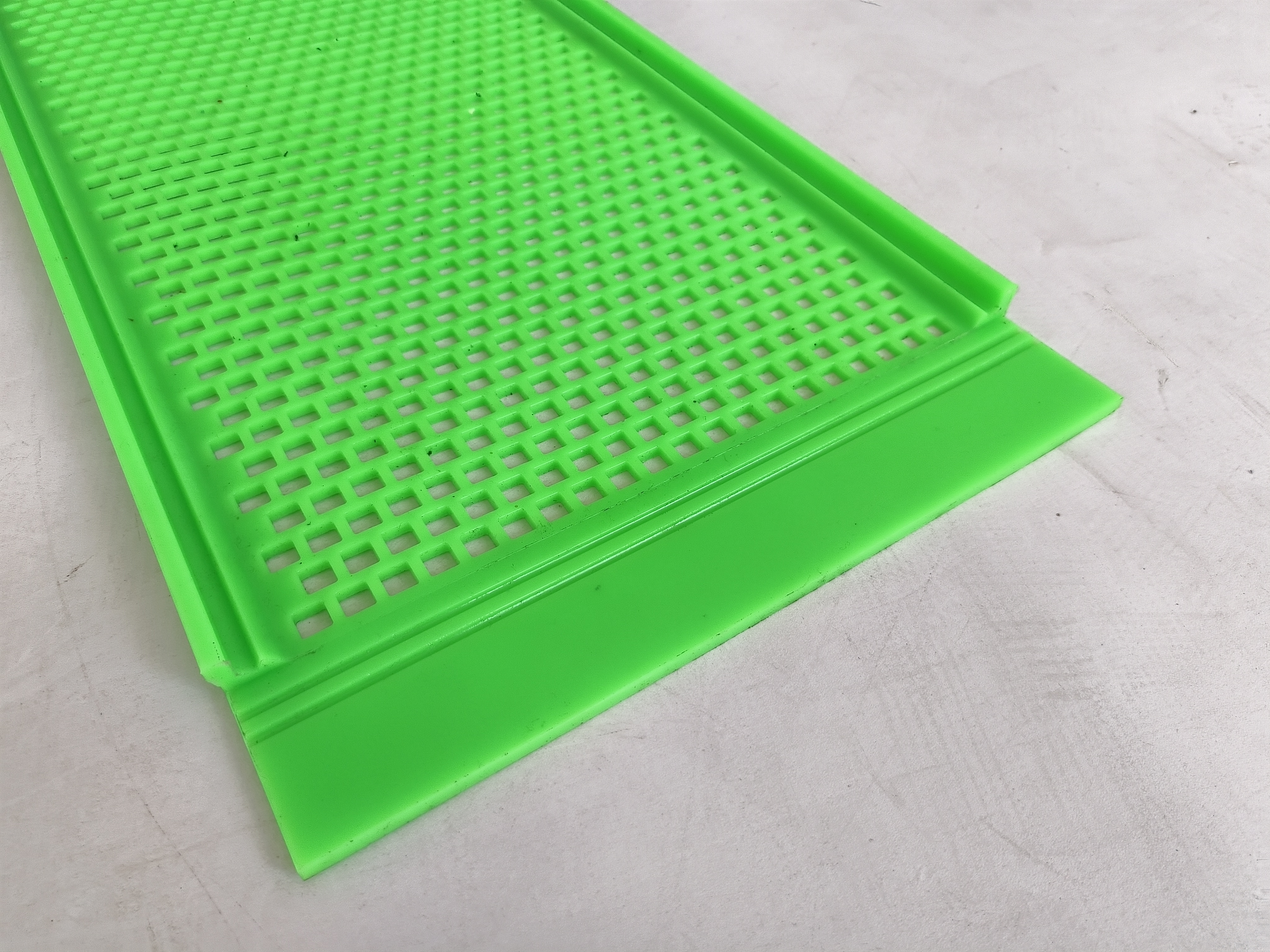
The Hidden Bottlenecks of Traditional Screening Media When running busy aggregate processing plants, sand quarries, or heavy mineral separation facilities, managing the screening deck efficiently stands out as one of the most critical factors for l...
VIEW MORE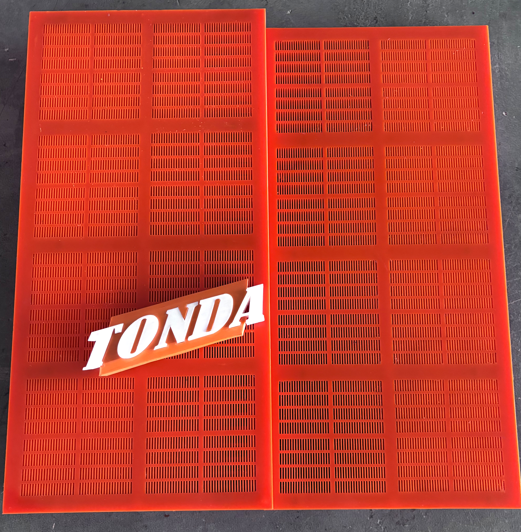
The Hidden Headache of Material Carryback When running heavy bulk material handling setups across mining, aggregate quarries, and manufacturing plants, dealing with stubborn conveyor belt carryback is just part of the daily grind. Even after the ma...
VIEW MORE
How Polyurethane Conveyor Skirtboards Achieve Superior Dust Control Sealing The dust control challenge at conveyor transfer points Transfer points in bulk material handling systems are primary sources of fugitive dust—generated by material im...
VIEW MORE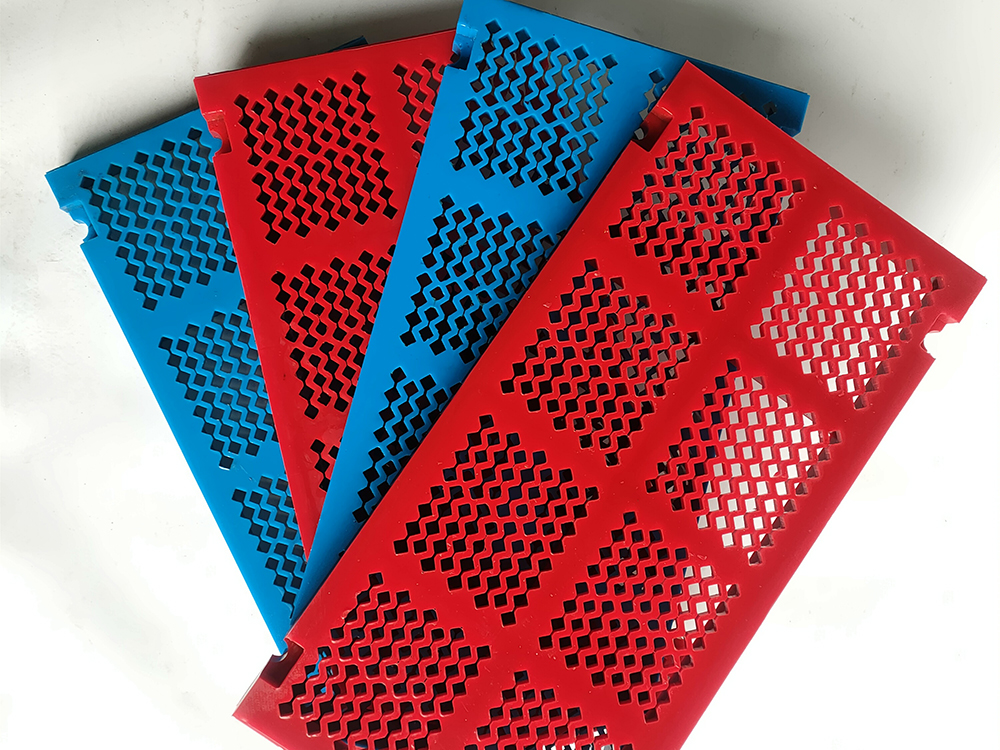
The Warranty Cliff: Why PU Screen Maintenance Costs Surge Post-Expiration How standard warranty terms obscure true wear patterns and defer cost liability Standard warranty periods create a false sense of security—not because they’re dec...
VIEW MORE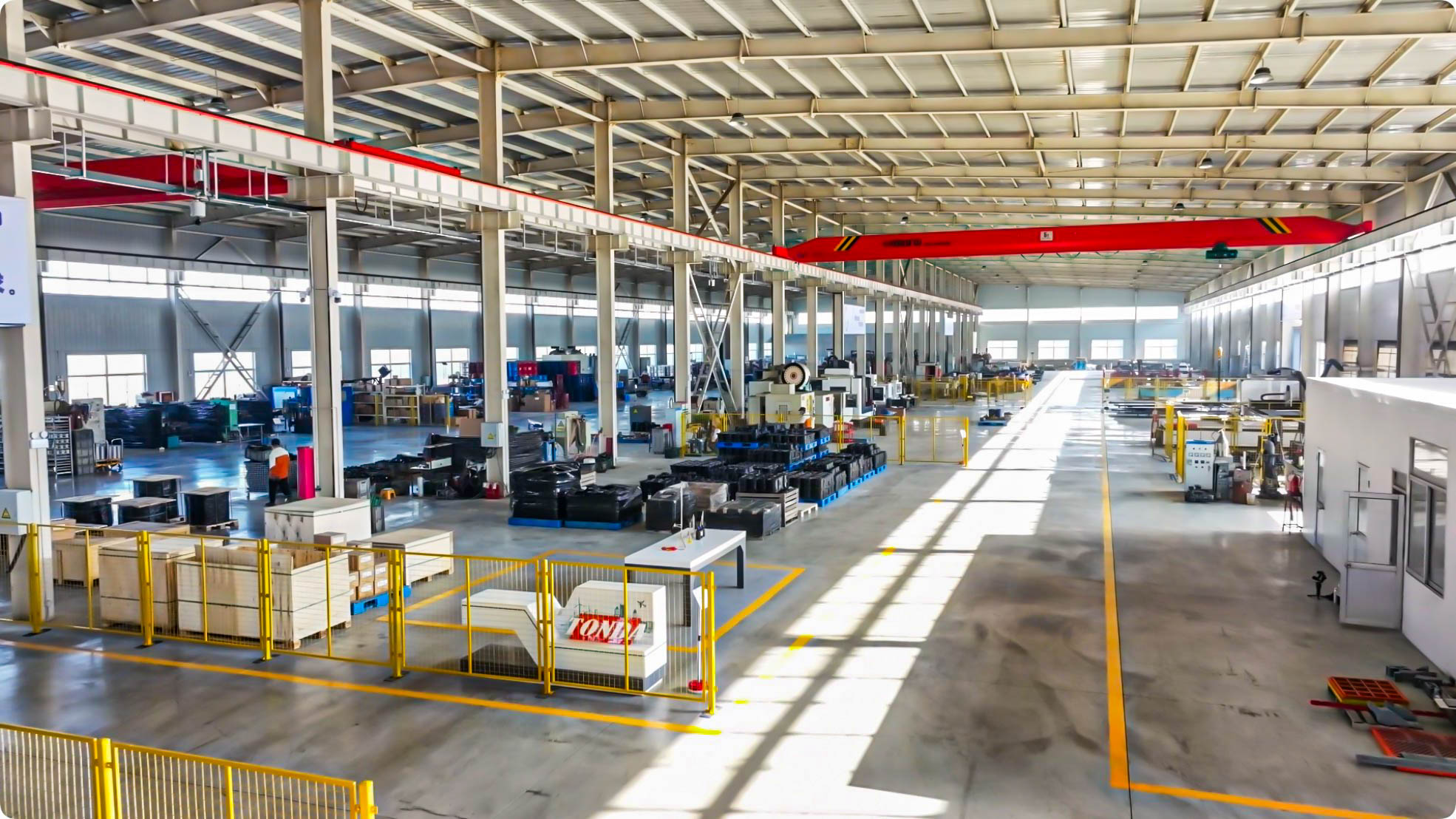
Why Standard Screens Fail in High-Moisture Ore Screening Blinding, pegging, and capacity loss: Root causes in clay-rich, >18% moisture ores Standard screen surfaces become dysfunctional when processing clay-dominant ores exceeding 18% moisture. Bli...
VIEW MORE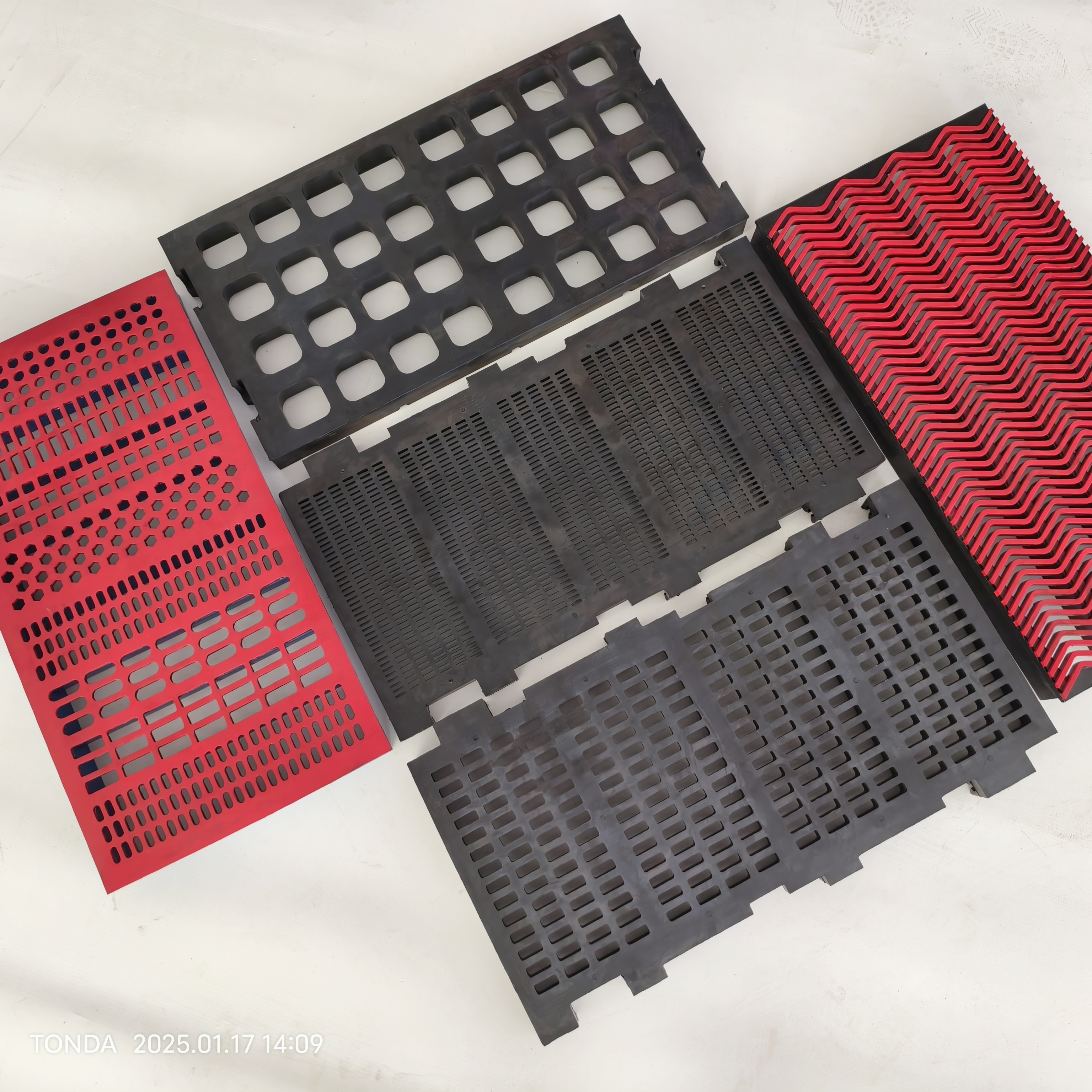
Deck Preparation: Ensuring Surface Integrity for PU Abrasion Resistance Metrics Surface Cleaning, Profile Verification, and Flatness Tolerance (...
VIEW MORE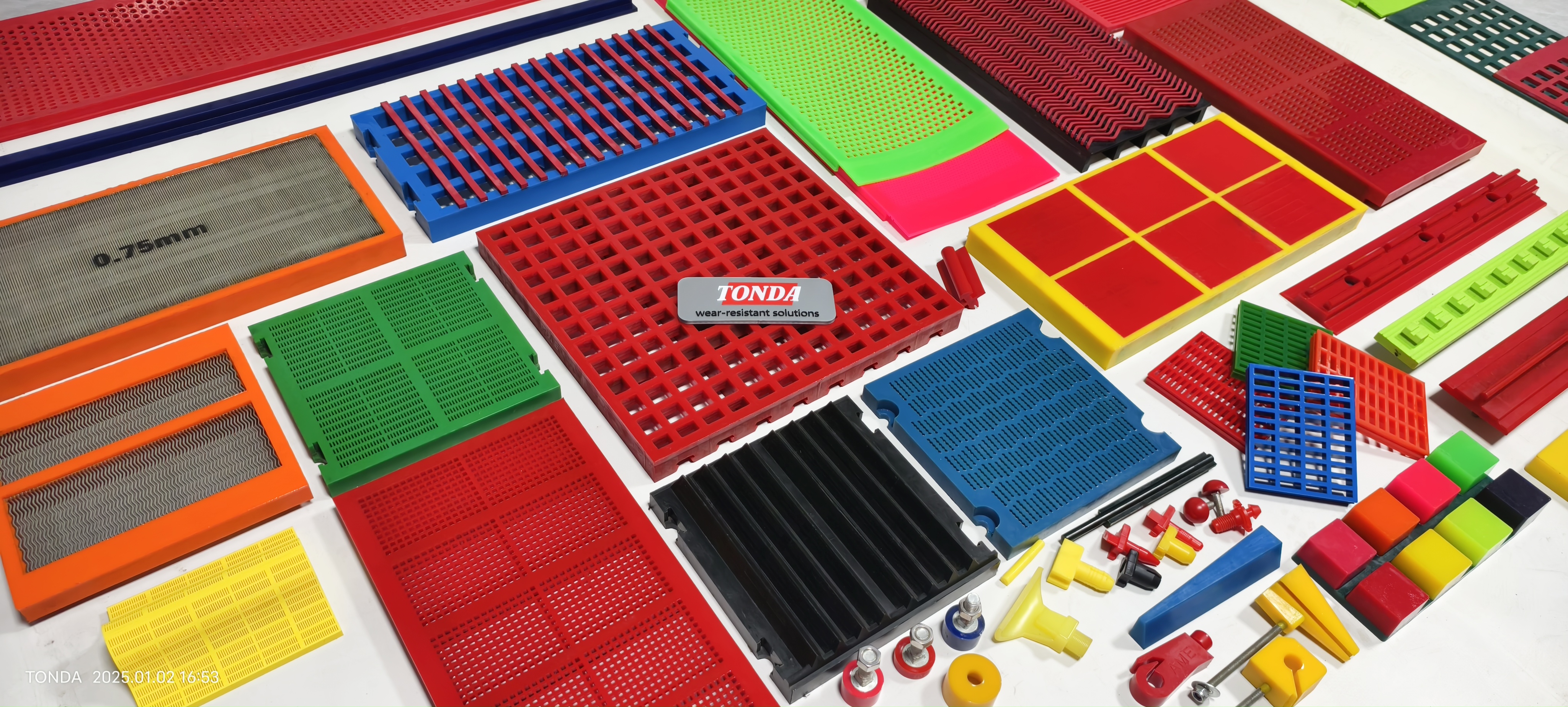
Deck Preparation and Structural Integrity Verification Inspecting support rails, crown bars, and deck flatness before PU screen installation Thorough deck assessment is essential to prevent premature polyurethane (PU) screen failure in mining opera...
VIEW MORE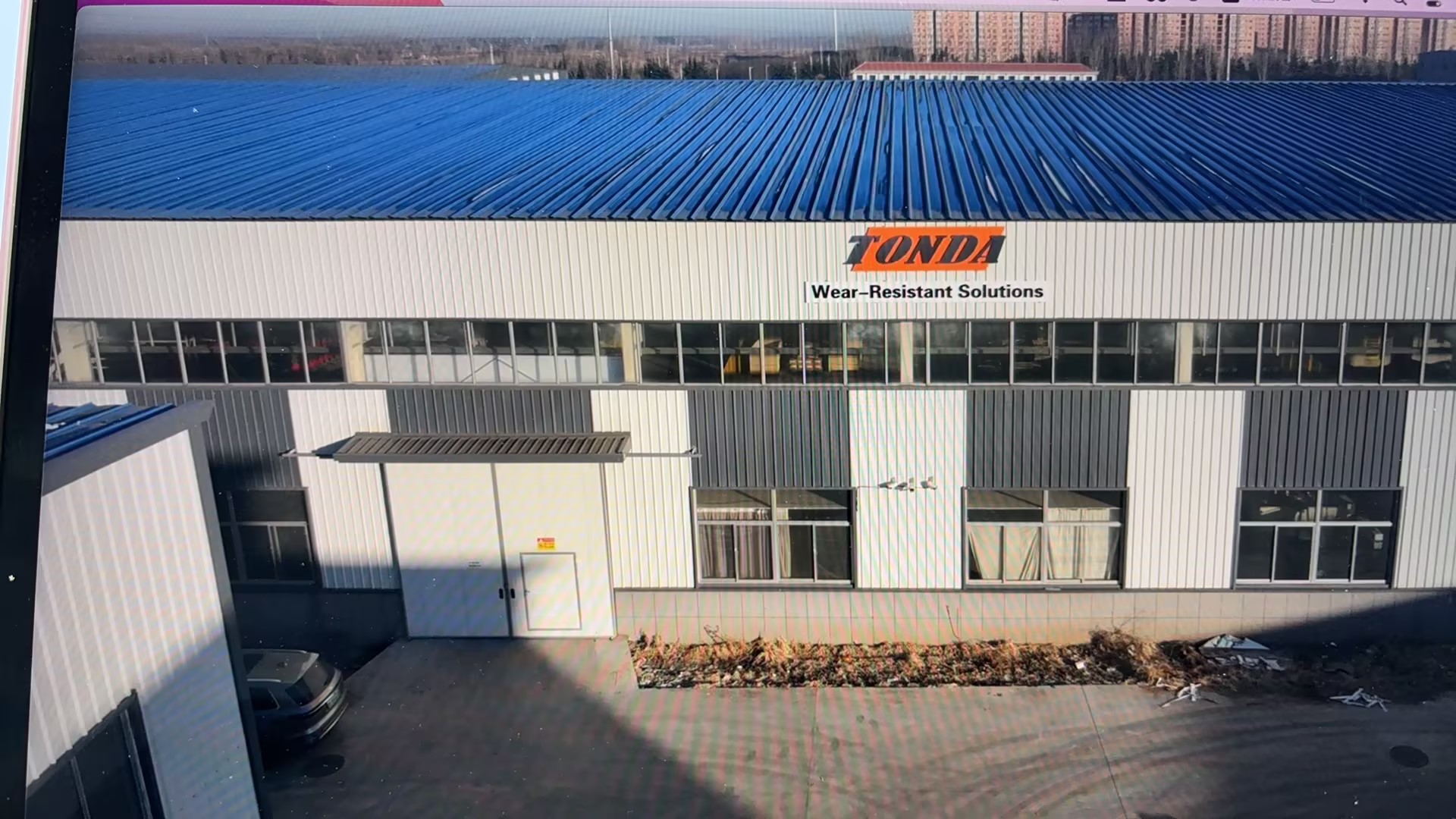
Shore A vs Shore D: Matching Scale Selection to Component Function and Wear Mechanism Shore hardness scales measure polyurethane (PU) resistance to indentation—Shore A for softer elastomers (0A–100A), Shore D for rigid plastics and hard...
VIEW MORE
Elastic Recovery: The Core Self-Cleaning Mechanism of PU Mesh Polyurethane (PU) mesh leverages elastic recovery—the material’s ability to rebound fully after deformation—to prevent blinding. Under vibration, the mesh stretches and...
VIEW MORE
The Mining Waste Crisis and PU’s Linear Lifecycle Limitation Mining operations generate over 100 billion tonnes of waste annually—much of it from wear components discarded after single-use cycles. Polyurethane (PU) parts, though offerin...
VIEW MORE
Hydrolysis and Chemical Degradation: The Leading Cause of PU Dewatering Screen Failure Water-induced chemical breakdown—hydrolysis—is the primary driver of premature polyurethane (PU) dewatering screen failure, particularly in acidic, a...
VIEW MORE
Why Antistatic PU Scraper Blades Are Critical for Explosive Dust Environments Combustible dust in coal and grain handling creates catastrophic risks—a single static spark can ignite suspended particles, triggering explosions with devastating ...
VIEW MORE EN