 EN
EN
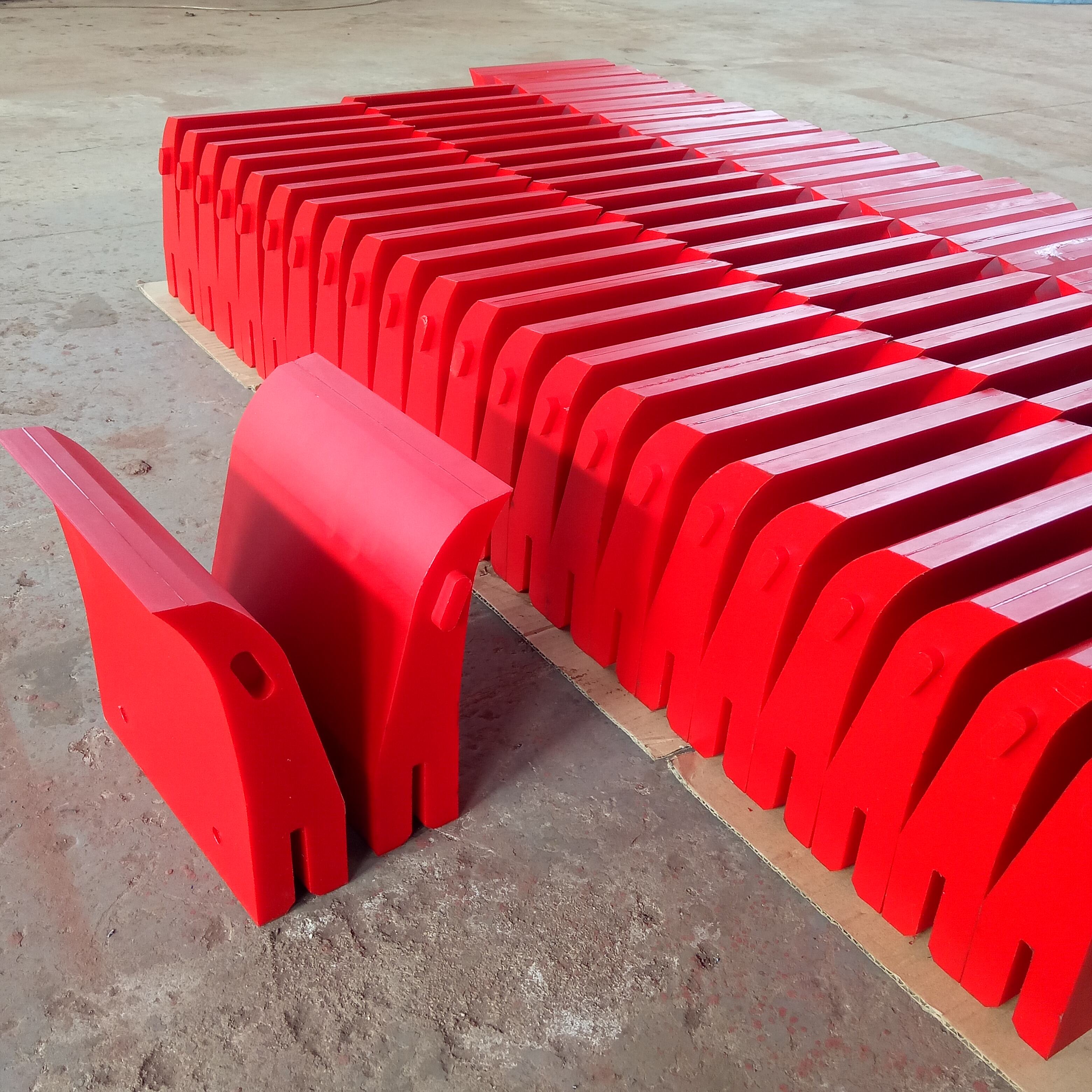
Extended Service Life in Continuous Industrial Operations
Polyurethane scrapers last up to 3x longer than traditional materials in high-use environments such as mining and recycling plants. Their cross-linked molecular structure resists cracking under continuous 24/7 operation, delivering 18–36 months of uninterrupted service in conveyor systems—far exceeding rubber scrapers, which typically require replacement every three months.
Superior Abrasion, Impact, and Tear Resistance Compared to Rubber and Metal
| Property | Polyurethane | Rubber | Steel |
|---|---|---|---|
| Abrasion Resistance | 8x higher | Moderate | Prone to wear |
| Impact Resistance | 98% retention | Cracks at -10°C | Dents easily |
| Tear Strength | 35 N/mm² | 12 N/mm² | N/A |
Laboratory testing confirms polyurethane maintains 92% of its structural integrity after 500,000 abrasion cycles, while rubber fails by 150,000 cycles. This superior resistance to wear, impact, and tearing makes polyurethane ideal for demanding industrial applications where reliability is critical.
Performance Under Heat, UV Exposure, and Mechanical Stress
Polyurethane scrapers work pretty well even when temps swing between -40 degrees Celsius and 120 degrees Celsius. They don't get too stiff in cold weather or melt away in heat, which makes these scrapers great for places like cement plants where temperatures can be brutal. What's interesting is how they handle sun exposure too. The special UV protection keeps them from becoming brittle outdoors. Tests show that after sitting out in the sun for five whole years according to those ASTM standards, they still retain most of their flexibility with just around 7% less give compared to brand new ones.
Outstanding Chemical and Environmental Resistance
Engineered with advanced polymer chemistry, polyurethane scrapers outperform rubber and metal in harsh chemical and environmental conditions, offering unmatched resilience where degradation risks are highest.
Resistance to oils, solvents, and corrosive industrial chemicals
The material’s molecular structure provides inherent resistance to hydrocarbons, acids, and alkalis. Independent testing (2023) found that polyurethane retains 92% of its hardness after 1,000 hours in oil-rich environments, compared to just 58% for rubber. This resistance significantly reduces maintenance needs in industries such as steel production and chemical processing.
Reliable performance in extreme temperature and pressure environments
From subzero food storage (-40°F) to asphalt plants exceeding 200°F, polyurethane maintains flexibility where rigid alternatives fail. Unlike metal blades that corrode in humidity or rubber that stiffens under thermal cycling, polyurethane’s cross-linked polymers ensure consistent performance under pressures up to 250 psi.
Case Study: Polyurethane scraper resilience in cement and recycling plants
A 14-month field analysis across three cement plants revealed a 60% longer service life for polyurethane scrapers compared to rubber when exposed to abrasive limestone dust and combustion byproducts. In recycling operations, one facility reduced unplanned downtime by 45% after switching to polyurethane primary cleaners for glass fragment removal.
This combination of chemical inertness and thermal adaptability makes polyurethane scrapers essential for modern bulk handling systems operating under strict safety and efficiency standards.
Improved Conveyor Efficiency and Reduced Belt Damage
Low-Friction Cleaning That Minimizes Belt Wear
Polyurethane scrapers generate 35% less friction than rubber alternatives, according to the Industrial Belt Journal (2023). This lower surface tension helps prevent micro-tears in conveyor belts, addressing a leading cause of premature belt failure in mining and cement industries.
Non-Abrasive Surface Interaction Preserving Conveyor Integrity
With a Shore hardness range of 80A–95A, polyurethane applies consistent contact pressure without damaging belt surfaces. Its elastic rebound eliminates concentrated stress points—unlike rigid metal blades—preserving the integrity of high-tension conveyor systems.
Effective Performance in Primary and Secondary Cleaning Systems
Field tests show 98.6% material removal efficiency across both primary and secondary cleaning stages, even with irregular aggregates. This dual-stage effectiveness reduces recirculating debris by 47% compared to single-stage metal scrapers, minimizing abrasive buildup in downstream components.
Long-Term Cost Savings and Return on Investment
Lower Maintenance and Replacement Frequency vs. Traditional Scrapers
Studies from the bulk material handling industry in 2023 show that polyurethane scrapers last about 40 percent longer between replacements compared to their rubber counterparts when used on conveyors. What makes them stand out is how stable they stay at a molecular level, so edges don't get hard or warped even when subjected to really heavy loads. This means less downtime for maintenance in those tough abrasive environments where other materials just wear out fast. Metal scrapers typically need replacing every six months because they corrode over time, but good quality polyurethane can keep working effectively anywhere from three to five years depending on usage conditions.
Reduction in Downtime and Associated Operational Costs
Unplanned scraper failures cost aggregate industries an average of $740,000 annually (Ponemon, 2023). Polyurethane’s tear-resistant design minimizes unexpected breakdowns, maintaining 98.2% operational uptime in field trials. At a Canadian recycling facility, replacing rubber scrapers with polyurethane saved $163,000 per year by reducing conveyor jams linked to scraper wear.
Cost Comparison: Polyurethane vs. Metal and Rubber Alternatives
| Material | Replacement Frequency | Annual Cost per Meter | 5-Year Total Cost |
|---|---|---|---|
| Stainless Steel | 8–12 months | $1,200 | $6,000 |
| Natural Rubber | 6–9 months | $980 | $5,880 |
| Polyurethane | 36–48 months | $550 | $1,650 |
Data from a 2024 survey of 127 industrial plants shows polyurethane scrapers deliver 70% lower lifecycle costs than traditional options. Despite a 15%–20% higher initial investment, return on investment is achieved within 18 months through reduced labor, parts, and downtime expenses.
Versatile Applications and Compliance Across Industries
Widespread use in mining, cement, and bulk recycling operations
Polyurethane scrapers excel in heavy-material handling sectors. In mining, they effectively remove coal slurry without cracking under continuous operation. Cement plants benefit from their non-sparking properties during clinker handling, while recycling facilities leverage their resistance to hydraulic fluids and abrasive plastics.
FDA-compliant polyurethane scrapers for food processing
NSF-certified polyurethane formulations meet FDA 21 CFR §177.2600 standards for food-contact applications. These scrapers safely clean conveyors transporting raw grains, frozen produce, and packaged goods without contaminating products. A 2023 safety study confirmed zero detectable polymer migration in compliant grades—unlike older rubber compounds known to degrade into food streams.
Adaptability to diverse conveyor systems and regulatory standards
Polyurethane’s moldability supports custom blade designs for specialized applications, including:
- Cleated conveyors in steep-incline mining systems
- Hygienic quick-release configurations for pharmaceutical manufacturing
- Anti-static variants for explosive dust environments
The material complies with MSHA safety regulations in mining and EU Regulation 10/2011 for plastic food contact materials, enabling a single scraper solution across multiple regulated environments.
Frequently Asked Questions
What makes polyurethane scrapers more durable than traditional materials?
Polyurethane scrapers boast a cross-linked molecular structure providing up to 3x greater lifespan in high-use environments, resisting cracking and wear compared to traditional rubber and metal.
How do polyurethane scrapers perform under extreme temperatures?
They effectively handle temperatures ranging from -40°C to 120°C without becoming brittle or melting, ensuring reliable performance in both hot and cold conditions.
Are polyurethane scrapers cost-effective despite their higher initial investment?
Yes, they deliver up to 70% lower lifecycle costs through reduced replacements and maintenance downtime, achieving ROI within 18 months.
Table of Contents
- Extended Service Life in Continuous Industrial Operations
- Superior Abrasion, Impact, and Tear Resistance Compared to Rubber and Metal
- Performance Under Heat, UV Exposure, and Mechanical Stress
- Outstanding Chemical and Environmental Resistance
- Improved Conveyor Efficiency and Reduced Belt Damage
- Long-Term Cost Savings and Return on Investment
-
Versatile Applications and Compliance Across Industries
- Widespread use in mining, cement, and bulk recycling operations
- FDA-compliant polyurethane scrapers for food processing
- Adaptability to diverse conveyor systems and regulatory standards
- Frequently Asked Questions
- What makes polyurethane scrapers more durable than traditional materials?
- How do polyurethane scrapers perform under extreme temperatures?
- Are polyurethane scrapers cost-effective despite their higher initial investment?