 EN
EN
Types of Conveyor Belt Cleaners and Their Safety Advantages
Scrapers, Brushes, Air Knives, and Water Sprays: Safety Comparison
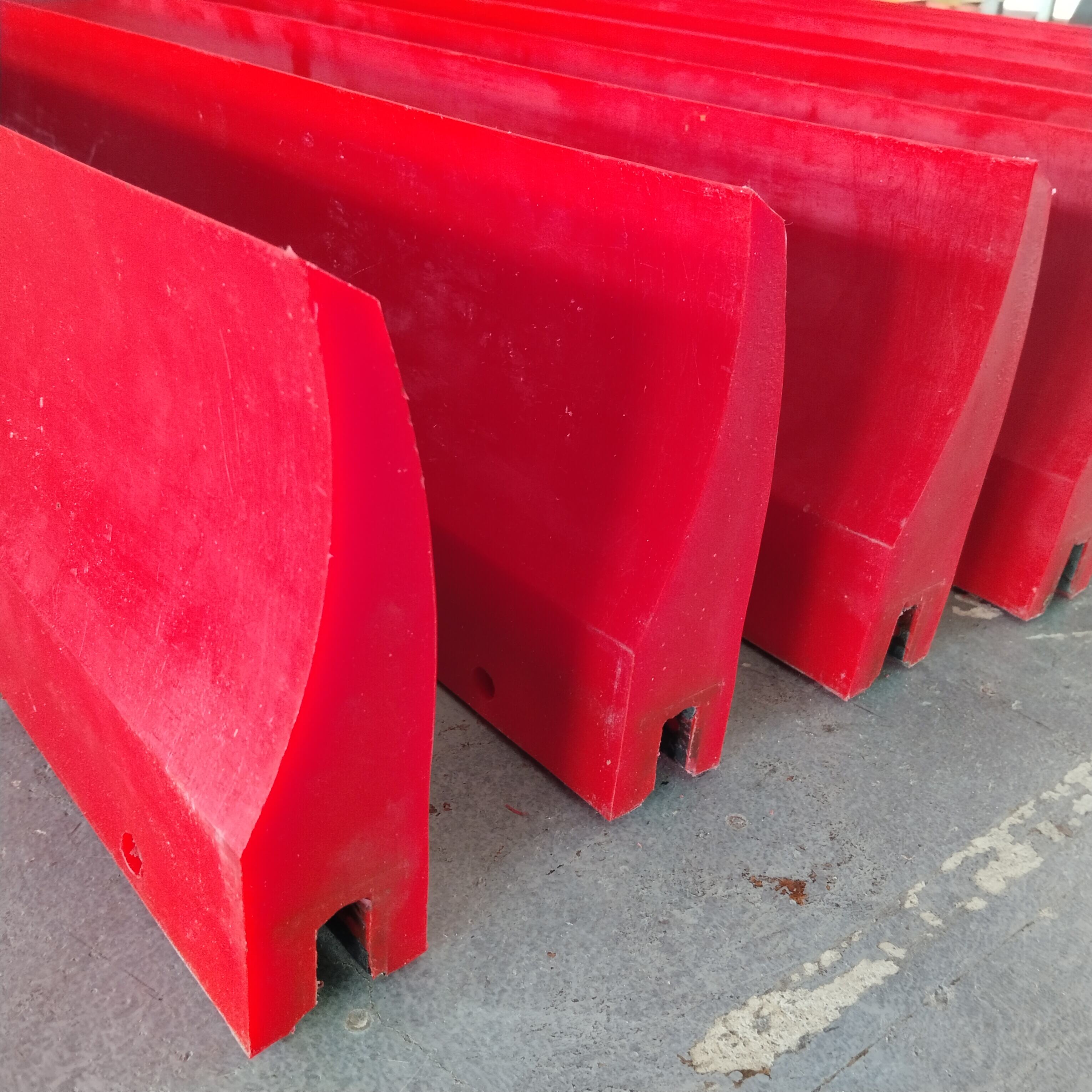
There are basically four different technologies used in conveyor belt cleaning systems, each with their own safety advantages worth considering. Scrapers typically constructed from either polyurethane or tungsten carbide do a good job at clearing away larger debris, though they need just the right amount of tension applied so they don't wear down the belt too quickly. For those working in food processing areas where keeping things clean matters most, rotary brushes work well since they can pick up smaller particles without creating much mess. Air knives take an entirely different approach by blowing away material with powerful jets of compressed air, which makes them great for sensitive belts on packaging lines while also cutting down on breakdowns from constant friction. Water spray systems handle dangerous dust buildup particularly in places like coal terminals, but operators need to watch closely because too much moisture creates slippery conditions and potential accidents. The Material Handling Institute released some interesting findings last year showing that facilities switching to air based cleaning methods saw around a third fewer injuries overall when dealing with dusty environments compared to traditional mechanical approaches.
Matching Cleaner Types to Materials and Environments for Optimal Safety
Choosing the proper cleaning equipment really comes down to three main factors: how thick the material is, what temperature range we're working with, and what regulations apply. When dealing with stuff like wet clay that sticks everywhere, dual angle scrapers work wonders alongside heated blades that keep pressure steady even when temps drop below freezing. Mining companies that handle rough aggregates often turn to tungsten tipped cleaners equipped with automatic tension adjustments these systems handle belt movement changes better and last longer between replacements. The food processing sector has its own special needs too. Nylon brushes approved by the FDA paired with spray systems that can be sanitized effectively stop bacteria from growing while still keeping everything compliant with strict hygiene rules across the board.
How Proper Selection Reduces Carryback and Spillage Risks
An optimized conveyor belt cleaner system can eliminate up to 99% of material carryback, significantly lowering two major safety risks:
- Slip prevention: Residual particulates drop from 8.2 lb/ft to 0.1 lb/ft
- Fire mitigation: Combustible dust accumulation falls below the 0.25mm/m³ ignition threshold
Installing secondary cleaners downstream of primary systems adds redundancy, capturing escaped materials before they reach return rollers. This layered approach reduces spillage-related maintenance interventions by 57%, minimizing worker exposure to moving machinery during routine servicing.
Material Carryback and Buildup: Hidden Safety Threats
Carryback as a precursor to slips, fires, and equipment damage
When material carryback sticks to conveyor belts after they dump their load, it creates all sorts of problems on the job site. Small amounts of wet or gooey stuff can lead to slips and falls, which account for about 22 percent of injuries that could have been avoided according to BLS data from 2022. Then there's the issue with flammable dust like coal particles or wood shavings. These can catch fire if they build up around belt pulleys and get ignited by sparks from friction. We actually had a real incident where a plant dealing with organic materials lost nearly two million dollars because nobody cleaned up accumulated sawdust properly, as recorded in an OSHA report back in 2021.
Consequences of poorly maintained or outdated conveyor belt cleaners
Inadequate cleaning systems allow 3–8% of carried material to become fugitive dust, accelerating idler roller degradation by 60% and generating airborne particles that exceed OSHA’s permissible exposure limits. Facilities still using decade-old scraper blades experience three times more emergency shutdowns from belt misalignment than those with modern, tension-controlled cleaners.
Case study: Spillage-related incident due to inadequate cleaning
At a Midwest aggregate plant, neglected maintenance on secondary cleaners over 18 months led to hardened cement carryback. In 2023, this caused a 350-pound spillage cascade that damaged equipment and resulted in a worker being hospitalized with crushed toes. Post-incident analysis found 14% material retention—triple the industry-safe 5% threshold.
Installation, Maintenance, and Lockout Procedures for Safe Operation
Reducing slip, trip, and fall hazards with effective cleaning systems
Proper installation ensures consistent carryback removal, preventing material buildup on rollers and walkways. Misaligned or loosely mounted cleaners fail to clear residues, increasing slip hazards. Facilities using precision-aligned systems report up to a 73% reduction in slip-and-fall incidents compared to those with improper installations (Occupational Safety Journal 2023).
Safe maintenance practices and servicing protocols
Routine maintenance preserves cleaning efficiency and mitigates safety risks. Technicians should:
- Conduct monthly blade wear inspections using manufacturer-recommended gauges
- Replace urethane scrapers before metal brackets are exposed
- Maintain air knife pressure within the optimal 15–25 PSI range to prevent debris blowback
A 2023 NRX Global study found that monthly inspections reduce fire risks from friction-heated buildup by 68%.
LO/TO/BO/TO: Critical procedures during maintenance
Lockout-Tagout (LOTO) procedures are essential to prevent accidental conveyor activation during maintenance—a leading cause of crush injuries. Correct execution includes:
- Shutting off power at the main disconnect
- Applying ASTM-certified locks to all energy sources
- Testing for residual voltage with a multimeter
The 2024 Industrial Maintenance Safety Report notes that LOTO compliance prevents 85% of hand injuries related to conveyor maintenance.
Data insight: 60% of failures linked to improper installation (NIOSH)
NIOSH data shows that most premature cleaner failures stem from installation errors such as incorrect tensioning or uneven blade contact. These flaws increase strain on components, raising fire risks from overheated motors by 41% (NIOSH 2023). Implementing standardized installation checklists in a 12-month mining trial cut corrective maintenance costs by $18,000 annually.
Training and Technology: Building a Proactive Safety Culture
Training Workers on Safe Operation and Maintenance of Conveyor Belt Cleaners
Training programs cut down on conveyor belt accidents by around 44%, according to OSHA data from 2023. Employees get good at spotting problems before they happen, like when scrapers are out of alignment or brushes start wearing down, thanks to real world practice sessions and computer based simulations. The digital learning tools really drive home those lockout/tagout steps needed when replacing blades, which helps prevent workers from getting caught in moving parts. Companies that focus their safety training on regular checkups and measuring how much material sticks to the belts tend to see better results between shifts, with staff becoming more aware of potential dangers over time.
Using IoT and Monitoring Systems for Predictive Safety Management
Modern conveyor belt cleaners integrate IoT technologies to enhance safety through real-time monitoring:
| Technology | Safety Benefit |
|---|---|
| Vibration sensors | Detect blade imbalance before belt mistracking |
| Pressure analytics | Flag worn brushes increasing fire risks |
| AI-driven cameras | Identify spillage patterns needing adjustment |
These systems provide early warnings for issues like heat buildup at transfer points, which account for 28% of conveyor fires (NFPA 2024). When integrated with predictive maintenance platforms, they reduce unplanned downtime by 67% while enhancing worker protection.
Fostering Long-Term Safety Through Drills, Audits, and Continuous Improvement
Quarterly safety drills simulate emergencies such as jammed cleaners or unexpected shutdowns, preparing teams for real-world scenarios. Cross-departmental audits verify adherence to maintenance protocols, identifying gaps revealed through digital training analytics. Facilities combining these strategies resolve hazards 53% faster and report 31% fewer recordable injuries annually compared to industry averages.
FAQ
- What are the main types of conveyor belt cleaners?
- The main types of conveyor belt cleaners include scrapers, brushes, air knives, and water sprays, each offering unique safety advantages for different environments.
- How does the choice of cleaner affect safety in conveyor belt operations?
- Choosing the right cleaner is crucial for preventing issues like material carryback, slip hazards, and fire risks, thereby ensuring safer conveyor operations.
- What role does technology play in modern conveyor belt cleaning systems?
- Modern systems often utilize IoT technologies such as vibration sensors and AI cameras to monitor safety and performance in real-time, reducing accident risks and enhancing efficiency.
- Why is maintenance important for conveyor belt safety?
- Regular maintenance ensures the efficiency of cleaning systems, reduces fire hazards, and prevents unexpected shutdowns, keeping conveyor systems safe and operational.
- How do training programs impact conveyor belt safety?
- Training programs help reduce accidents by teaching employees how to identify potential issues and correctly perform maintenance tasks like lockout/tagout procedures.