 EN
EN
How Deck Modular Panels Enhance Screening Precision
Understanding deck modular panels and their role in advanced screening systems
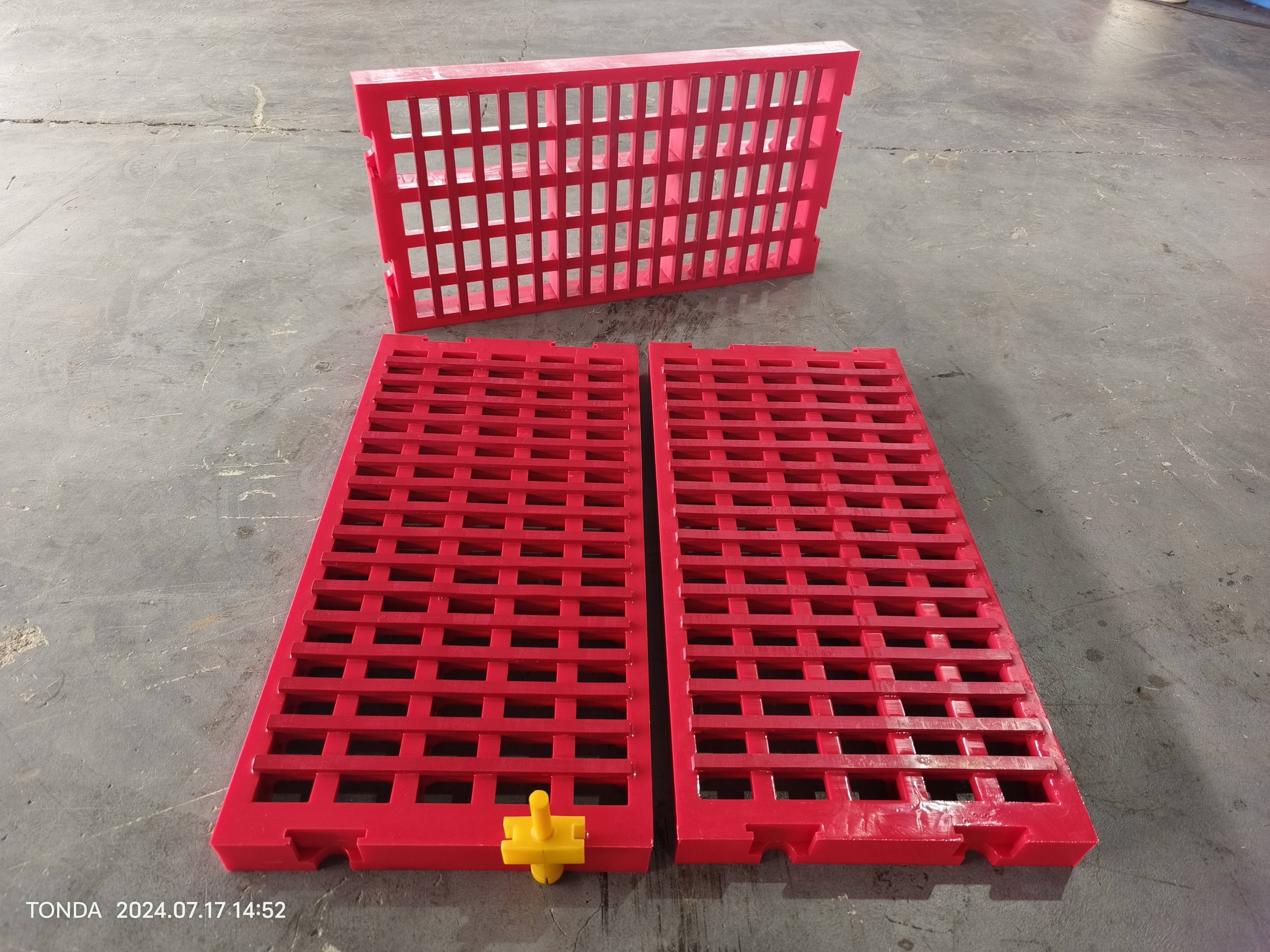
Modular deck panels made from advanced polymers create adjustable screening surfaces for mineral processing and recycling operations. With their segmented construction, plant operators can tweak aperture sizes and patterns depending on what kind of materials they're handling, which means they can separate particles down to about 1.5 mm in size. What sets these apart from old school solid screens is how they keep even tension throughout the whole deck thanks to special mounting hardware. This eliminates those annoying dead spots where screening performance drops off, something that really matters when dealing with fine particle separations in industrial settings.
Reducing material bypass through precise panel integration in multi-stage separation
Multi-stage screening operations achieve up to 98.6% material retention efficiency when using precisely fitted deck modular panels (2024 Mineral Processing Report). Interlocking edges and uniform thickness prevent gaps that cause fine particle bypass. In coal preparation plants, this integration reduced misplaced <6mm material by 34% compared to welded screen decks.
The impact of accurate panel alignment on screening efficiency and cut-point consistency
Properly aligned deck modular panels maintain cut-point consistency within ±0.05mm tolerances throughout their service life. A 2023 study of iron ore screening operations found that laser-aligned modular systems sustained 92% screening efficiency over 6,000 operational hours, versus 78% for traditional screens. Eliminating cumulative alignment errors across joints directly improves product grade stability.
Case Study: Achieving higher throughput in mineral processing with deck modular panels
When a copper processing plant swapped out their old steel screens for these new polyurethane deck modular panels, they saw throughput jump by around 22% without sacrificing the 95% accuracy they needed for proper particle separation. What really made a difference was how easy it became to replace those worn out sections during scheduled maintenance breaks. Instead of shutting everything down for days on end, maintenance crews could just swap out specific panels where wear was bad. This cut annual downtime by over 300 hours alone. And from what the operators told us, there were definitely fewer headaches too. They noticed about 40% fewer problems with the screening process getting interrupted right when production was at its busiest.
Performance Benefits of Modular vs. Traditional Screening Decks
Superior screening accuracy: Panelized systems deliver consistent cut-point performance
Modular deck panels achieve ±0.5mm aperture tolerances through precision manufacturing, enabling exact gradation control for materials like iron ore and limestone. Unlike rigid monolithic decks, modular systems maintain cut-point consistency across temperature fluctuations due to interlocking designs that resist warping.
Reduced maintenance downtime through quick replacement of individual deck modular panels
Single-panel replacement reduces repair times by 65–80% compared to full-deck replacements. Operators report 2.3x faster mean-time-to-repair (MTTR), particularly in high-wear zones such as aggregate primary screening.
Industry data: 37% fewer screen blockages reported with modular setups (2023 survey)
A 2023 bulk material handling survey (n=217 facilities) found modular decks reduced screen pegging incidents through tapered apertures and optimized open-area ratios. Facilities processing <5mm materials saw the most significant improvements in uptime.
Total cost of ownership advantages over monolithic deck designs
Modular systems demonstrate 18–24% lower five-year ownership costs through:
- 40% longer wear life in high-impact zones
- 75% reduced scrap metal from partial replacements
- 30% lower inventory costs via panel standardization
Operational data from mineral processing plants confirms ROI timelines under 14 months in 82% of implementations.
Key Industrial Applications of Deck Modular Panels
Mining: Optimizing Fine Particle Separation With Customizable Deck Modular Panels
Deck modular panels have become essential tools in mineral processing for separating ultrafine particles with remarkable accuracy thanks to their adjustable aperture designs. Recent tests from early 2023 showed that recovery rates jumped around 15% when operators used specialized panels featuring tapered openings on tough iron ore slurries. What makes these systems stand out is their ability to handle changing ore qualities without much downtime since they can be quickly adjusted. This flexibility keeps operations running smoothly even as the composition of mined deposits shifts over time.
Aggregates: Ensuring Consistent Product Gradation Through Reliable Panel Continuity
Aggregate producers use deck modular panels to achieve uniform particle sizing in high-volume crushing circuits. The interlocking design eliminates gaps, preventing oversized material from bypassing screening stages. This continuity supports compliance with ASTM C33 specifications for concrete-grade aggregates, with operators reporting a 22% reduction in product rework (2024 Industry Benchmark Report).
Recycling: Meeting Variable Feed Challenges With Adaptable Modular Screening Solutions
Modular deck panels work really well in recycling operations where what goes into the system keeps changing from day to day. The panels can be swapped out quickly, so facilities don't need weeks to adjust their setup when dealing with construction demolition waste or electronic scrap. We've seen some big improvements lately with these new polyurethane materials that resist wear better. Glass recyclers report getting almost twice as much use out of these panels before replacement compared to old fashioned steel mesh screens, which makes a huge difference in maintenance costs over time.
Best Practices for Installation and Calibration
Step-by-Step Alignment to Eliminate Gaps and Prevent Material Leakage
Getting those deck modular panels aligned right starts with checking dimensions properly before putting anything together. Most experienced operators will tell anyone who'll listen that using laser guides makes all the difference when it comes to getting panels seated flat within about half a millimeter tolerance. Gaps bigger than that can lead to leaks down the road. According to research from the Industrial Screening Consortium back in 2023, even minor misalignments can slash screening efficiency by nearly a quarter in operations handling large volumes of minerals. The beauty of modular systems lies in how they break down the alignment challenge into manageable pieces. Workers install each panel one at a time rather than wrestling with massive monolithic structures that require constant readjustment throughout the process.
Calibration Methods That Ensure Seamless Panel-to-Panel Transition
Post-installation calibration involves adjusting tensioning systems and verifying load distribution. Field technicians report a 30% reduction in misalignment-related downtime when using NIST-traceable tools for monitoring panel spacing. Key steps include:
- Surface profiling to confirm uniform contact between panels
- Dynamic load testing to simulate operational stresses
- Infrared scanning to detect thermal expansion variations
Pre-Assembly Verification: Reducing Field Adjustments and Commissioning Time
Factory-level validation of deck modular panels reduces on-site installation errors by 45%, according to bulk material handling studies. Pre-assembly checks should validate:
| Verification Aspect | Tolerance Threshold | Impact if Unaddressed |
|---|---|---|
| Panel flatness | ±1.2 mm/m² | Uneven wear patterns |
| Fastener torque | ±3 Nm | Vibration-induced loosening |
| Sealing strip integrity | 0% compression loss | Material bypass |
This proactive approach minimizes commissioning delays while ensuring predictable screening performance.
FAQs
What are deck modular panels used for?
Deck modular panels are used in screening systems for mineral processing, recycling, and aggregate production to enhance separation precision and improve throughput with adjustable and replaceable panels.
How do modular deck panels improve screening precision?
They allow for customizable aperture sizes and maintain even tension across the screening surface, eliminating dead spots and improving fine particle separations.
What are the maintenance advantages of using modular deck panels?
The panels offer quick replacements and reduced downtime, cutting repair times significantly compared to monolithic deck systems.
Table of Contents
-
How Deck Modular Panels Enhance Screening Precision
- Understanding deck modular panels and their role in advanced screening systems
- Reducing material bypass through precise panel integration in multi-stage separation
- The impact of accurate panel alignment on screening efficiency and cut-point consistency
- Case Study: Achieving higher throughput in mineral processing with deck modular panels
-
Performance Benefits of Modular vs. Traditional Screening Decks
- Superior screening accuracy: Panelized systems deliver consistent cut-point performance
- Reduced maintenance downtime through quick replacement of individual deck modular panels
- Industry data: 37% fewer screen blockages reported with modular setups (2023 survey)
- Total cost of ownership advantages over monolithic deck designs
- Key Industrial Applications of Deck Modular Panels
- Best Practices for Installation and Calibration
- Step-by-Step Alignment to Eliminate Gaps and Prevent Material Leakage
- Calibration Methods That Ensure Seamless Panel-to-Panel Transition
- Pre-Assembly Verification: Reducing Field Adjustments and Commissioning Time
- FAQs