 EN
EN
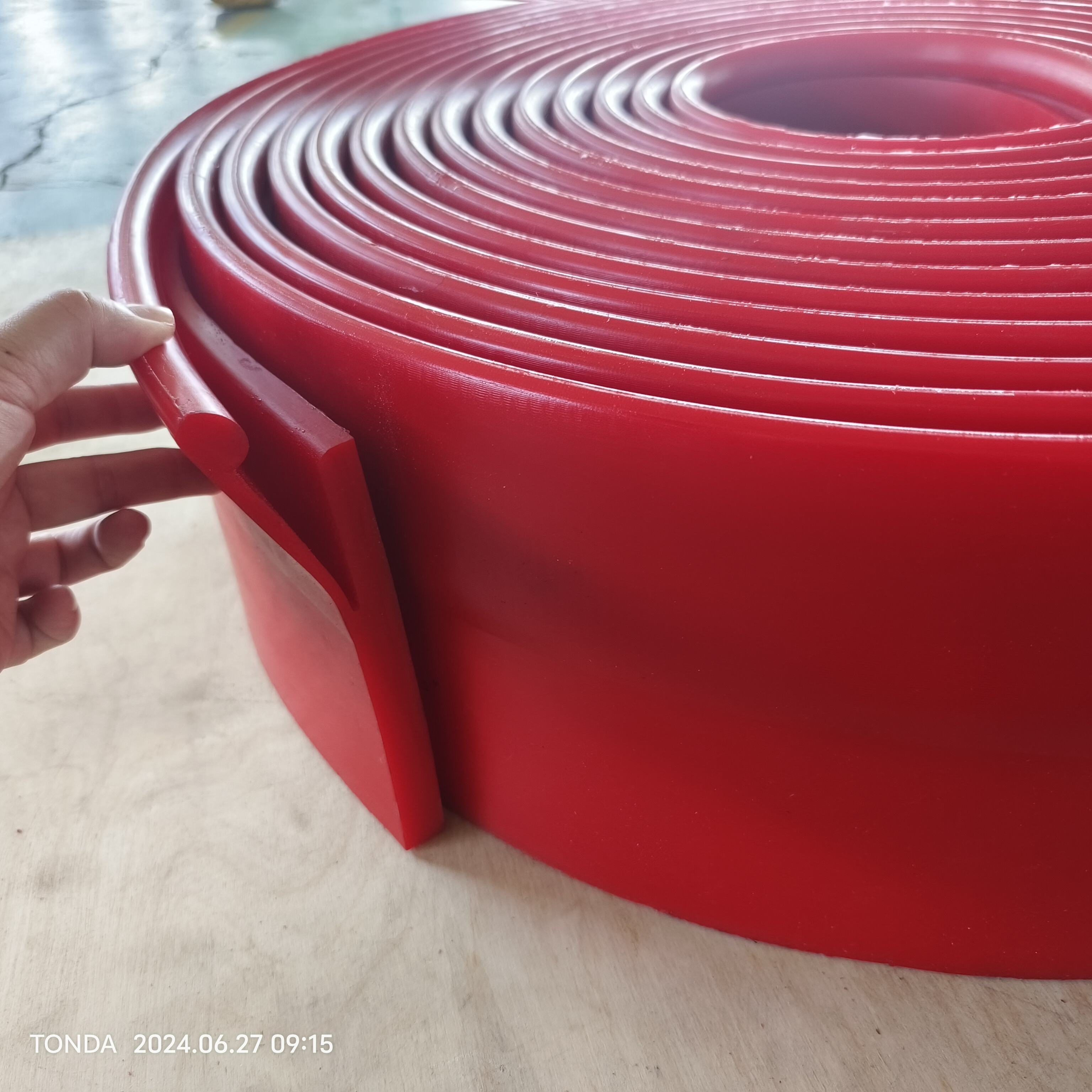
Regulatory and Safety Imperatives Driving Urethane Conveyor Skirtboard Sealing Adoption
OSHA, EPA, and ATEX Compliance Requirements for Fugitive Emission Control
The chemical transport industry has been turning to urethane conveyor skirtboard sealing lately because companies need to satisfy all these overlapping regulations from OSHA, EPA, and ATEX at once. OSHA sets strict limits on how much toxic stuff workers can be exposed to in the air, particularly around those transfer points where dust and fumes tend to hang around. Then there's the Clean Water Act too - if a facility spills more than 1,000 gallons of hazardous materials in a year, they get hit with hefty fines from the EPA. That makes keeping everything contained not just good business but legally required. Facilities dealing with flammable materials absolutely must have ATEX certification. This isn't optional stuff anymore. It basically means their equipment needs to be built so explosions won't happen even when there are combustible gases floating around. Companies that ignore these rules face serious penalties. We're talking about fines that can go beyond $740k per incident according to Ponemon Institute data from 2023. The good news? Strong urethane seals work really well for dust control, often stopping more than 90% of dust at those busy transfer areas. This helps plants stay compliant with all those changing international standards regarding VOCs and particulates without breaking a sweat.
Consequences of Containment Failure: Worker Exposure, Environmental Liability, and Operational Downtime
When sealing isn't done right, all sorts of problems start piling up for workers, the environment, and business operations alike. Let's look at what happens first on the health front. Workers handling materials at transfer points where there's no proper seal get exposed to dangerous stuff like benzene. According to NIOSH research last year, they found levels of this carcinogen reaching three times what OSHA considers safe limits. Then there's the environmental angle. Cleaning up after just one spill can cost around $2.1 million when you count everything from fines to treating contaminated soil and water plus dealing with lawsuits from neighbors affected by the spill. And let's not forget about lost productivity. When emergencies happen because of poor containment, plants have to shut down for cleanup, inspections, and dealing with regulators. This typically knocks about 18% off monthly output. Some companies learned their lesson though. Facilities that switched to these new urethane skirtboard systems saw containment issues drop by almost 80%. The takeaway? Good materials matter for staying compliant with regulations while keeping production running smoothly without constant interruptions.
Material Performance: Why Urethane Excels in Hazardous Chemical Environments
Chemical resistance and inertness across acids, solvents, and oxidizers
When it comes to holding back chemicals, urethane just beats regular rubber hands down because of how stable its molecules are and how it doesn't react much with most substances. Natural rubber and even some synthetics tend to swell up, get hard as a rock, or simply fall apart when they meet things like gasoline, strong acids, or oxidizing agents. Urethane stays put though, keeping its shape and strength no matter what kind of harsh chemicals it faces over time. The fact that it doesn't break down means there's less chance of dangerous reactions happening if seals fail in places where spills could lead to bigger problems later on. Take fuel transfers for instance. Urethane won't absorb fuel like many rubbers do nor become brittle from constant use. Real world tests show this makes leaks happen about 90% less often compared to other elastic materials, which is why so many industries have switched to it recently.
| Material | Chemical Resistance | Abrasion Loss |
|---|---|---|
| Urethane | High (acids/solvents) | ≤2 mm³ |
| Rubber | Moderate (degrades) | ≤8 mm³ |
Abrasion resilience and dynamic sealing integrity at high-speed transfer points
When conveyor belts run faster than 120 feet per minute (about 4 meters per second), things start getting tough on materials. The increased speed means parts wear down quicker, so having good resistance to abrasion becomes really important for long lasting performance. Urethane stands out because of how its molecules are connected together. This special structure lets it take hits without cracking apart or peeling off like some other materials do. Rubber tends to crack easily while softer options just get worn away over time. Urethane sits right around Shore A hardness levels between 80 and 95. That gives it just the right mix of give and strength. Flexible enough to work with rough spots on conveyor belts when they're loaded down, but still firm enough to stand up against gritty particles that would normally cause damage. Plants that move abrasive minerals fast have seen their replacement schedules drop by about three times compared to regular rubber parts. Less frequent replacements mean fewer unexpected shutdowns, cutting maintenance costs significantly. Another big plus is that urethane keeps making contact with the belt even when there's vibration happening or if the belt starts drifting slightly off track. This matters a lot because it stops dust from escaping at those key points where materials transfer from one conveyor to another.
Engineering Urethane Conveyor Skirtboard Sealing Systems for Real-World Reliability
Optimizing Shore A hardness (80–95) for rebound, conformability, and long-term containment
The Shore A hardness rating isn't just another specification sheet number—it actually affects how well materials perform in real applications. When urethane falls within the 80 to 95 range, it strikes the right balance for effective sealing. These materials resist chemicals and abrasion better, they conform steadily to different belt shapes even when temperatures change or mechanical stress builds up, and they bounce back quickly after being compressed repeatedly, often over 92% recovery rate. This helps maintain the critical 3 to 1 compression ratio that stops leaks from happening, something that lasts through thousands of hours of operation. Plants that switch to 85A to 90A formulas typically see their seals last about 40% longer than regular rubber ones according to industry research from CRC Press in 2023. So while lab results matter, what really counts is this kind of consistent performance on factory floors day after day.
Design integration: Mounting geometry, tension control, and wear monitoring best practices
Reliability hinges not only on material choice but on precision system integration. Best-in-class urethane skirtboard sealing systems incorporate three foundational engineering disciplines:
- Mounting geometry: Laser-aligned clamps hold alignment within ±1.2 mm across thermal cycles, eliminating gaps caused by expansion or misalignment;
- Tension control: Pneumatic adjusters dynamically sustain 15–18 psi sealing pressure—compensating for belt stretch, wear, or temperature-induced relaxation;
- Wear monitoring: RFID-tagged seals transmit real-time thickness metrics to predictive maintenance platforms, enabling condition-based replacement before leakage occurs.
When systems combine these three approaches, they reach about 99.4 percent material containment even when belts move faster than four meters per second. Cleanup costs for fugitive emissions drop around 88 percent, and workers need to check things manually only 37 times out of every 100 inspections compared to before (Journal of Hazardous Materials reported this in 2024). What we're seeing here is how combining materials research with smart mechanics completely changes what skirtboard seals do. Instead of just sitting there as barriers, they become something active that actually uses real time data to keep processes safe.
FAQ
What are the main regulatory bodies influencing urethane conveyor skirtboard sealing?
OSHA, EPA, and ATEX are the primary regulatory bodies influencing the adoption of urethane conveyor skirtboard sealing due to their stringent compliance requirements for worker safety, environmental protection, and explosion safety, respectively.
How do urethane seals help with OSHA compliance?
Urethane seals effectively control dust and fume emissions at transfer points, helping facilities adhere to OSHA regulations on air quality and worker safety.
What are the consequences of not using proper sealing materials like urethane?
Improper sealing can lead to increased worker exposure to hazardous substances, environmental liabilities from spills, and operational downtime due to unscheduled shutdowns and maintenance.
Why is urethane preferred over rubber in hazardous chemical environments?
Urethane is chemically inert and resistant, capable of maintaining integrity where rubber might degrade, swell, or absorb harmful substances, making it a reliable choice for hazardous environments.
How does urethane compare to rubber in terms of abrasion resilience?
Urethane is more resilient to abrasion due to its molecular structure, which allows it to withstand high-speed transfer points and reduces wear and tear compared to rubber.
Table of Contents
- Regulatory and Safety Imperatives Driving Urethane Conveyor Skirtboard Sealing Adoption
- Material Performance: Why Urethane Excels in Hazardous Chemical Environments
- Engineering Urethane Conveyor Skirtboard Sealing Systems for Real-World Reliability
-
FAQ
- What are the main regulatory bodies influencing urethane conveyor skirtboard sealing?
- How do urethane seals help with OSHA compliance?
- What are the consequences of not using proper sealing materials like urethane?
- Why is urethane preferred over rubber in hazardous chemical environments?
- How does urethane compare to rubber in terms of abrasion resilience?