
 EN
EN
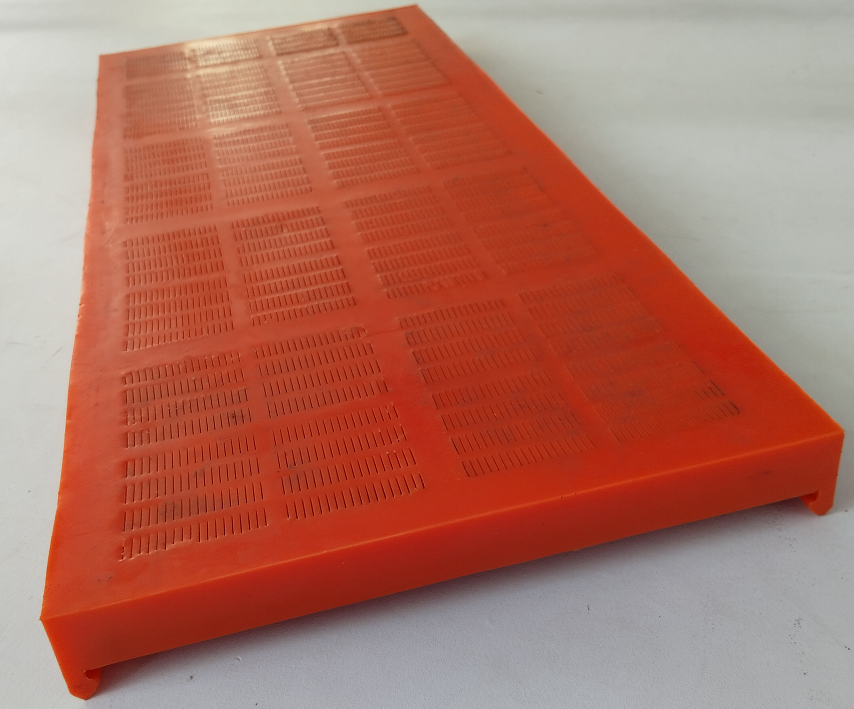
How Polyurethane Screen Mesh Lowers Energy Consumption
Mechanical Damping and Reduced Vibration Load on Screening Equipment
What makes polyurethane so effective? Its natural elasticity works like an internal shock absorber. Take steel mesh for instance it just transfers vibrations straight through without much dampening. But polyurethane actually absorbs those vibrations at a molecular level, which means around 40% less vibration gets passed along. According to recent research from equipment reliability experts in 2023, this kind of damping effect reduces stress on vibrating screens significantly. And guess what? Bearing failures drop by about 30% too. When machines aren't subjected to such harsh movements, engineers can build them lighter weight with fewer support structures. This leads to extra benefits down the line, saving energy during both manufacturing and regular operations across the board.
Lower Motor Amperage Draw Due to Optimized Material Flow Dynamics
Polyurethane mesh features a low friction surface along with carefully designed apertures that stop particle bridging issues and get rid of what's known as material bounce the phenomenon where almost sized particles keep hitting against each other before finally passing through. When materials flow more smoothly like this, it actually cuts down on the work motors need to do. Many industrial facilities have noticed their power needs drop between 15 and 30 percent when switching from traditional wire mesh according to recent findings published in Industrial Processing Journal last year. This translates into roughly 18 to 22 fewer kilowatt hours used for every ton of material processed across different manufacturing settings.
| Efficiency Metric | Polyurethane Screen | Steel Screen |
|---|---|---|
| Avg. Motor Load | 25–30 kW | 32–38 kW |
| Vibration Transference | Low (Damped) | High (Direct) |
| Re-screening Frequency | 35% lower | Baseline |
These gains compound: a 2023 aggregate plant case study found annual energy savings exceeding $740k per site after switching to polyurethane screens—with payback periods under 14 months. Lower motor load also extends equipment life and reduces cooling demand, reinforcing efficiency across the operational lifecycle.
Anti-Clogging Performance of Polyurethane Screen Mesh Drives Efficiency Gains
Elastic Recovery and Self-Cleaning Action Under Dynamic Load
What makes polyurethane so effective? Its elastic polymer structure allows it to bounce back after particles hit it, flexing and then snapping right back to knock out almost the same sized material stuck in the openings. This automatic cleaning keeps those openings clear without anyone having to clean them by hand or blast them with compressed air. When looking at wet environments such as mineral processing plants, the numbers tell a story: around 40 percent fewer problems with materials getting stuck compared to traditional rigid options. For operations running continuously, this means they can keep producing at full capacity while maintaining accurate screening results for much longer periods than before, no drop off in quality over time either.
Reduced Downtime and Re-Screening Cycles — Direct Energy Savings
When there are fewer blockages, plants experience fewer unexpected shutdowns. Restarting equipment after such stops can actually boost power requirements anywhere from 15 to 30 percent according to Vibration Analysis Quarterly last year. The polyurethane mesh helps cut down on how often screens need to be replaced and gets rid of those annoying cleaning breaks that force machines offline. This means motors run less time overall and dodge those big energy spikes when systems restart. What does this all add up to? Maintenance crews don't have to work as hard or as often, which saves money on both labor costs and replacement parts. Plus, there's less energy consumed across the board during production. Plants using this material typically see around an 18 percent drop in energy needed per ton processed compared to traditional methods. And let's not forget about durability either. These meshes last roughly three times longer than standard wire options, so manufacturers spend far less energy making new ones, transporting them, and putting them into place throughout their facilities.
Polyurethane vs. Wire Mesh: Quantifying Energy Efficiency Advantages
Vibrating Screen Energy Efficiency: PU Panels Require 15–30% Less Input Power
The polyurethane screen mesh actually saves quite a bit of energy compared to traditional wire mesh when used in vibrating screens. Industrial tests have shown between 15% to 30% less power consumption while still getting the same amount of work done. There are basically two reasons why this happens. First off, the material's elastic properties help absorb vibrations before they reach critical components like bearings and exciters. Second, the mesh maintains its shape better so materials separate more evenly across the surface. This prevents situations where overloaded wire mesh systems need to work harder, drawing more current and torque. Metal meshes tend to warp over time and lose their tightness, but polyurethane stays put even when stressed. Motors can therefore operate at lower amperage settings without cutting back on production capacity. Take a typical mineral processing plant running 500kW screens nonstop all year round. They could save around $18,000 annually on electricity costs per screen alone. That kind of saving makes a real difference in industries where energy costs eat right into profit margins and environmental impact statements matter more than ever these days.
Lifecycle Energy Impact: Durability and Maintenance Benefits of Polyurethane Screen Mesh
Tensile Strength, Abrasion Resistance, and Extended Service Life Reduce Replacement-Related Energy Costs
The combination of high tensile strength and good resistance to wear means polyurethane can handle continuous particle impacts without losing its shape or structure. This results in service life that lasts anywhere from three to five times longer than traditional wire mesh options. When replacements are avoided, we eliminate those energy hungry manufacturing steps. Making panels alone takes between 15 and 25 kilowatt hours per square meter, not to mention all the extra work involved in shipping and installing them too. Less frequent maintenance translates to fewer interruptions in operations as well. Every time equipment has to be restarted after a stoppage, it actually draws 15 to 30 percent more power than normal operation. So reducing these stoppages brings real energy savings right away. Looking at the bigger picture, the durability factor cuts down on replacement related energy use by roughly 18 to 32 percent each year compared to metal alternatives. Plus there's less waste generated overall, which helps companies move closer to their sustainability targets.
FAQ
Why does polyurethane reduce vibration more effectively than steel mesh?
Polyurethane's natural elasticity helps absorb vibrations at the molecular level, reducing vibration transference by around 40% compared to steel, which merely transfers vibrations.
How does polyurethane screen mesh contribute to energy savings?
Polyurethane screen mesh contributes to energy savings by reducing motor amperage draw, enforcing smoother material flow, and minimizing blockages, ultimately reducing energy consumption by 15-30%.
What are the long-term benefits of using polyurethane over wire mesh?
The long-term benefits include extended service life, requiring fewer replacements, reducing energy-intensive manufacturing and shipping processes, and sustaining performance with less maintenance.
In what type of environments does polyurethane screen mesh excel?
Polyurethane screen mesh is particularly effective in wet environments such as mineral processing plants, where it prevents clogging and maintains production efficiency.