
 EN
EN
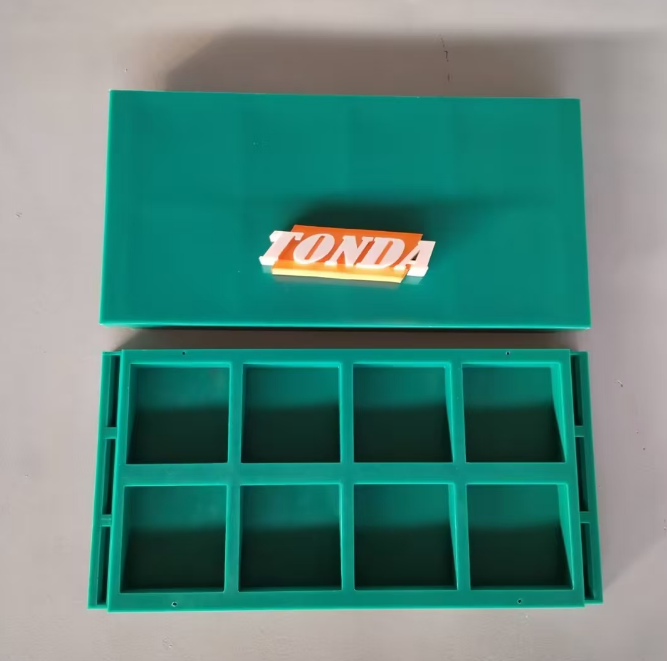
How Polyurethane Vibrating Screens Reduce Breakage Through Elastic Damping
Mechanism: Low-Impact Surface Interaction and Energy Absorption vs. Rigid Metal Impact
Vibrating screens made from polyurethane help cut down on product damage because they have this elastic damping effect. The material itself is flexible enough to soak up kinetic energy when particles hit it. Traditional metal screens are completely different though. They create those harsh rebound forces that can really hurt delicate stuff. When polyurethane comes into contact with something, it actually changes shape a bit, which means the interaction lasts longer—somewhere around 30 to maybe even 50 percent longer than with metals. This makes all the difference for things like pharmaceutical granules or ceramic powders that break easily under stress. What happens is the energy gets spread out over time instead of creating those sudden jarring impacts. Instead of breaking apart, these fragile materials just roll along gently. Some studies indicate that better formulated polyurethanes can knock down vibration transmission by roughly two thirds compared to regular steel screens. That kind of protection matters a lot when dealing with crystal structures during fast screening processes in industrial settings.
Evidence: 62% Reduction in Granule Fragmentation in FDA-Compliant Pharmaceutical Screening
Pharmaceutical manufacturers observe significant quality improvements when using polyurethane screens:
- 62% lower granule fragmentation in aspirin tablet precursors (FDA audit data 2023)
- 40% reduction in clumping for hygroscopic active pharmaceutical ingredients (APIs)
- Near-elimination of metal contamination risks compared to stainless steel mesh
Research into vitamin C granules showed something interesting about screening methods. When using polyurethane screens instead of traditional ones, they maintained around 98.2% particle integrity compared to just 78.5%. That makes a real difference in how consistently the tablets dissolve later on. The reason? These screens distribute tension evenly across their surfaces, so there aren't those annoying pressure spots that break apart fragile materials during processing. Looking at what polymer scientists have been finding lately, these special dynamic imine bonds in the material help dissipate energy stably through various temperatures. And this stability is actually pretty important for meeting those Good Manufacturing Practice standards that pharmaceutical companies need to follow.
Selecting the Right Polyurethane Vibrating Screen for Fragile Materials
Protecting delicate materials like pharmaceutical granules or food flakes requires precise screen configuration. The optimal polyurethane vibrating screen minimizes degradation by aligning three key parameters with material properties.
Matching Mesh Profile, Open Area, and Shore Hardness to Material Sensitivity (e.g., Crumbly Granules, Flakes, or Hygroscopic Powders)
To prevent fragmentation, consider these interdependent factors:
- Mesh Profile: Square openings reduce edge contact for crumbly granules, while slotted designs increase fracture risk for flakes
- Open Area: Moderate percentages (30–40%) prevent capillary-driven clumping in hygroscopic powders without requiring excessive vibration intensity
- Shore Hardness: Softer screens (70–80 Shore A) cushion impacts for brittle crystals; harder grades (90+ Shore A) are better suited for mildly abrasive blends
| Parameter | Fragile Material Application | Benefit |
|---|---|---|
| Square Mesh | Crumbly granules | 40% less edge contact vs. slotted |
| 35% Open Area | Hygroscopic powders | Prevents capillary clumping |
| 75 Shore A | Brittle crystals | 50% better energy absorption |
Proper configuration reduces breakage by up to 60% compared to standard screens in pharmaceutical trials (Powder Technology Journal 2023). Always validate settings with material samples before full-scale implementation.
Polyurethane vs. Stainless Steel Vibrating Screens: Balancing Durability, Throughput, and Fragility Protection
Trade-off Analysis: Extended Service Life and Reduced Maintenance vs. Optimized Particle Integrity
The elastic properties of polyurethane screens help protect particles much better than metal options since they absorb energy rather than transferring it. Tests show these screens cut down on broken fragile materials by around 60 something percent, which makes a real difference when handling delicate stuff. The damping action keeps crystals intact in things like medicines and moisture sensitive powders, something that directly affects how well those products work. On the flip side, stainless steel screens generally handle about 30 to maybe even 50 percent more material flow because there's more space between the bars and they can withstand stronger vibrations without issues.
Key trade-offs include:
-
Polyurethane advantages:
- 3–5× longer service life, reducing replacement frequency
- 40% lower annual maintenance costs
-
Stainless steel advantages:
- Higher throughput for coarse, non-fragile materials
- Better resistance to blinding in high-moisture environments
When dealing with materials prone to breaking apart such as granules or flakes, many manufacturers find that what polyurethane protects against is worth the trade off in how fast it processes stuff. The material just holds up better over time without needing constant stops for repairs. Stainless steel might process things quicker but comes at a cost - it tends to create more broken bits during production and requires regular maintenance checks. So when picking between these options, think about what kind of material we're actually handling. Delicate stuff usually works best with polyurethane while tougher materials that need lots of volume typically go well with stainless steel setups.
FAQ
Why choose polyurethane vibrating screens over stainless steel for fragile materials?
Polyurethane screens reduce particle breakage with their flexible, energy-absorbing properties, which is ideal for fragile materials like pharmaceutical granules and delicate powders.
What is the impact on pharmaceutical screening using polyurethane screens?
Using polyurethane screens in pharmaceutical screening has been shown to decrease granule fragmentation by 62% and almost eliminate metal contamination risks compared to stainless steel mesh.
How should you configure a polyurethane vibrating screen for optimal results?
Match mesh profile, open area, and Shore hardness to the material's sensitivity to minimize degradation and fragmentation effectively.