Get a Free Quote

Our representative will contact you soon.
Email
Name
Company Name
Message
0/1000

POLYURETHANE SCREEN MESH

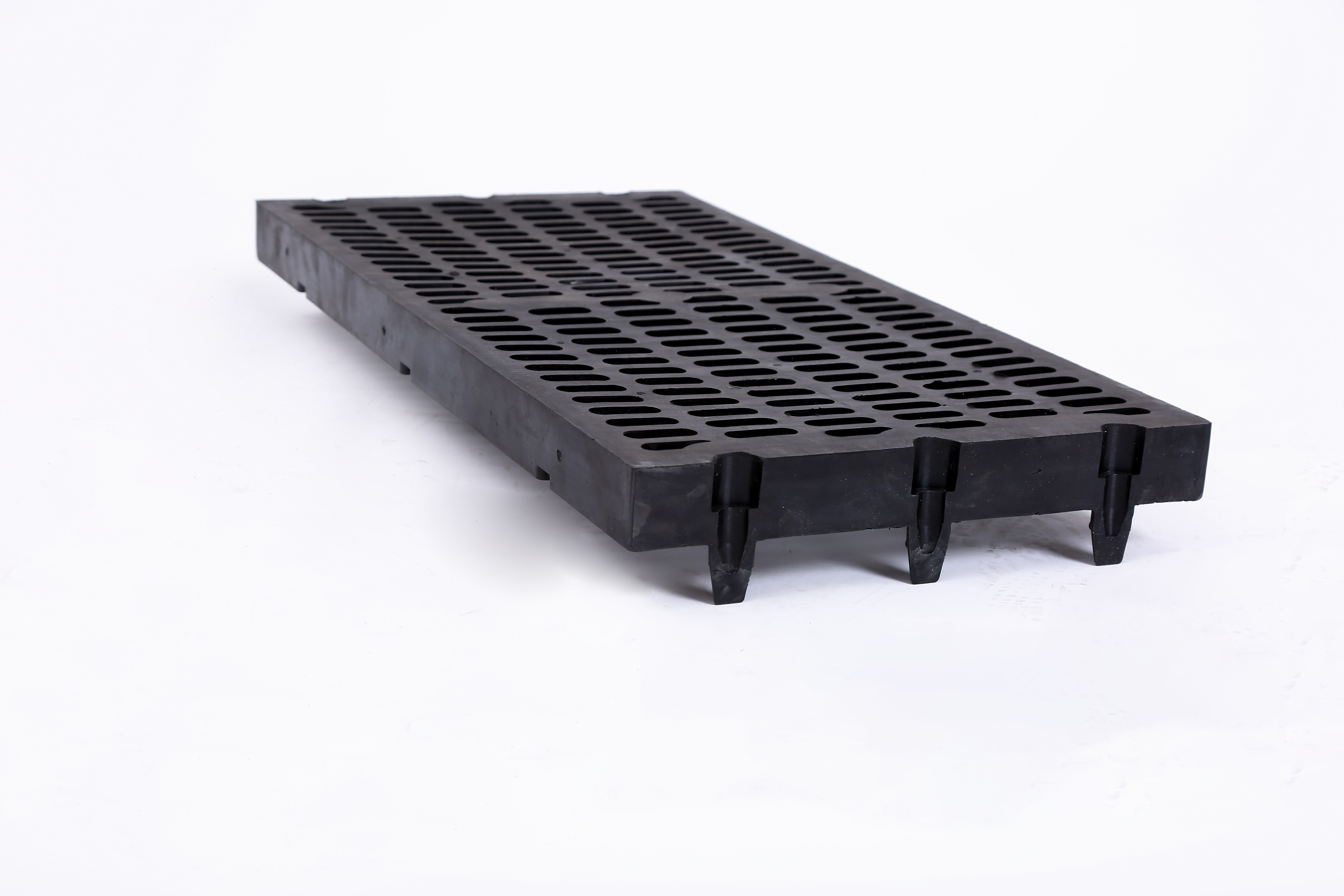
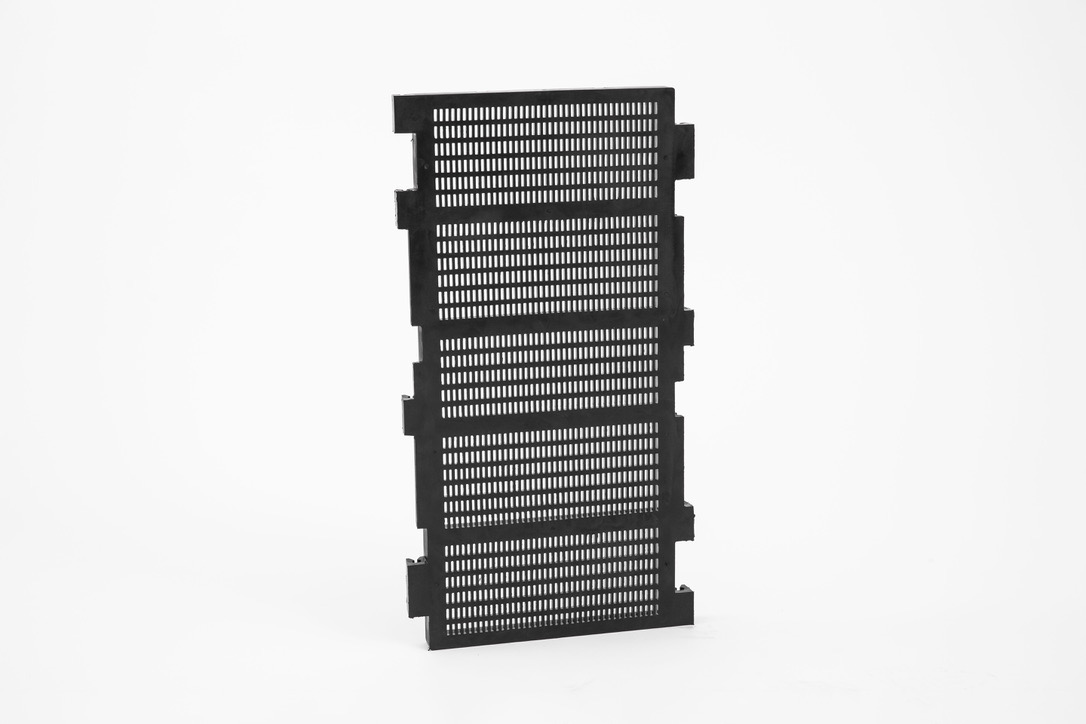
Rubber Screens

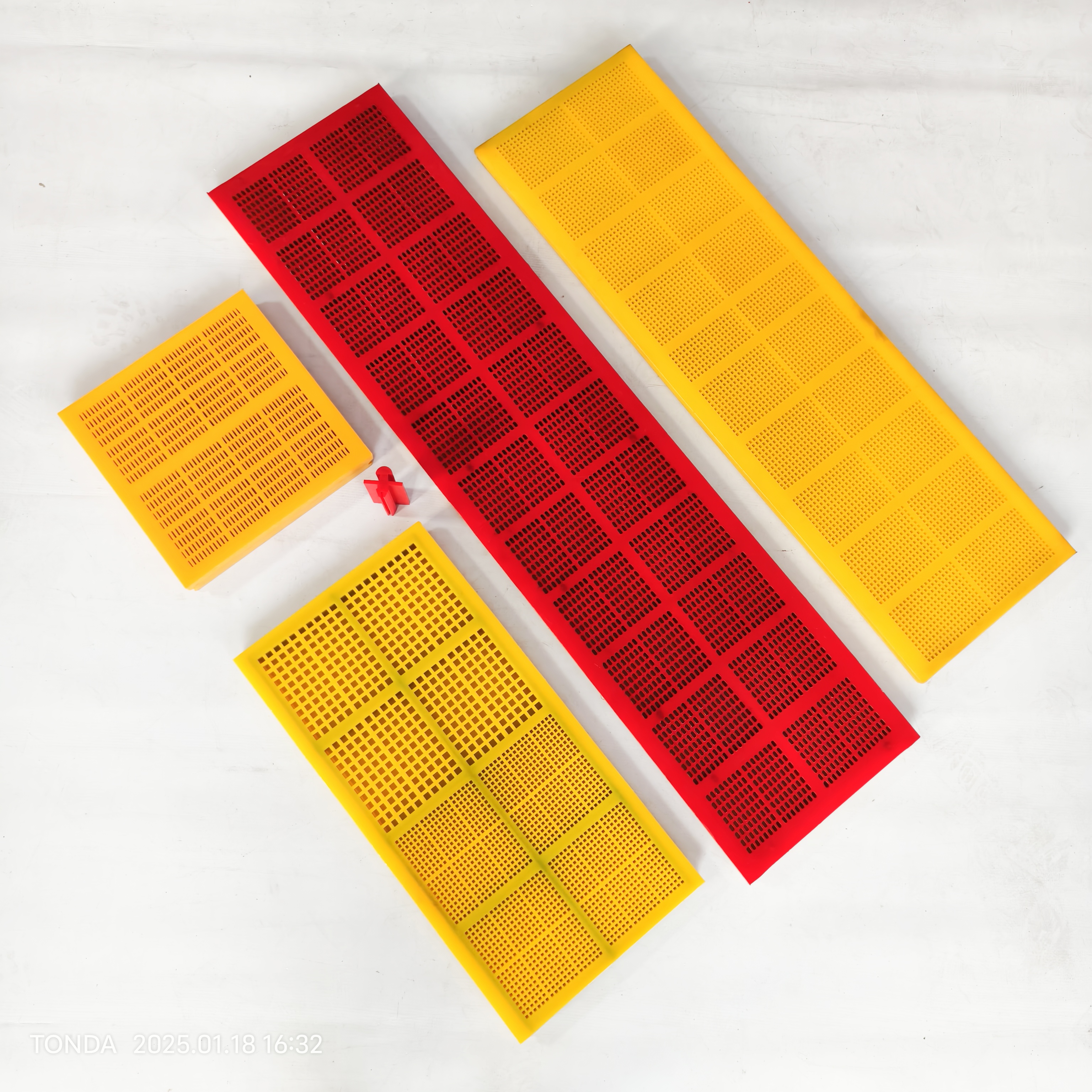
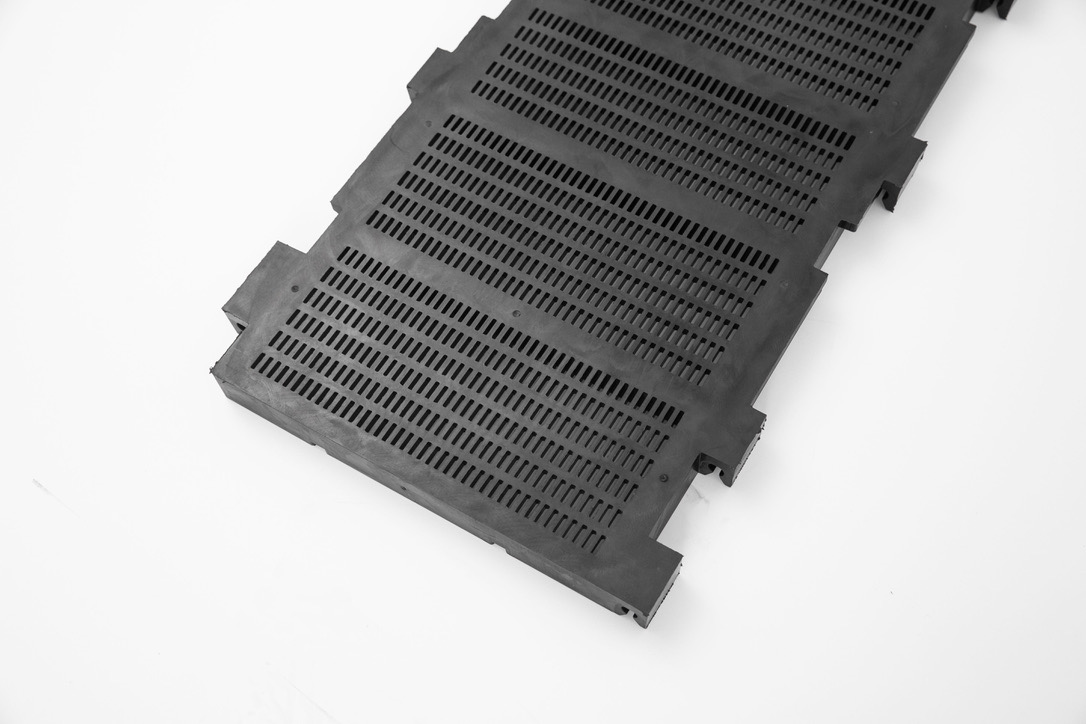
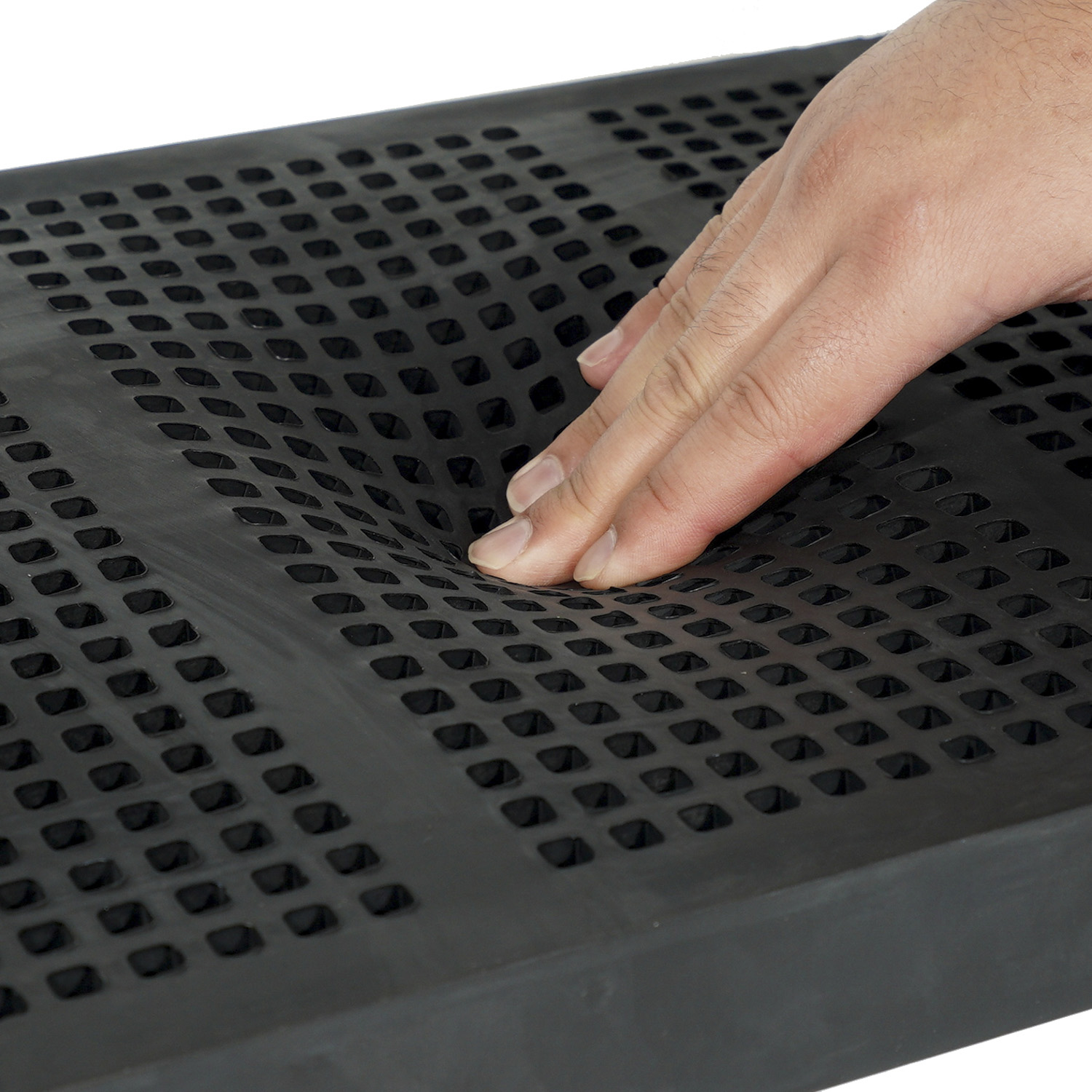
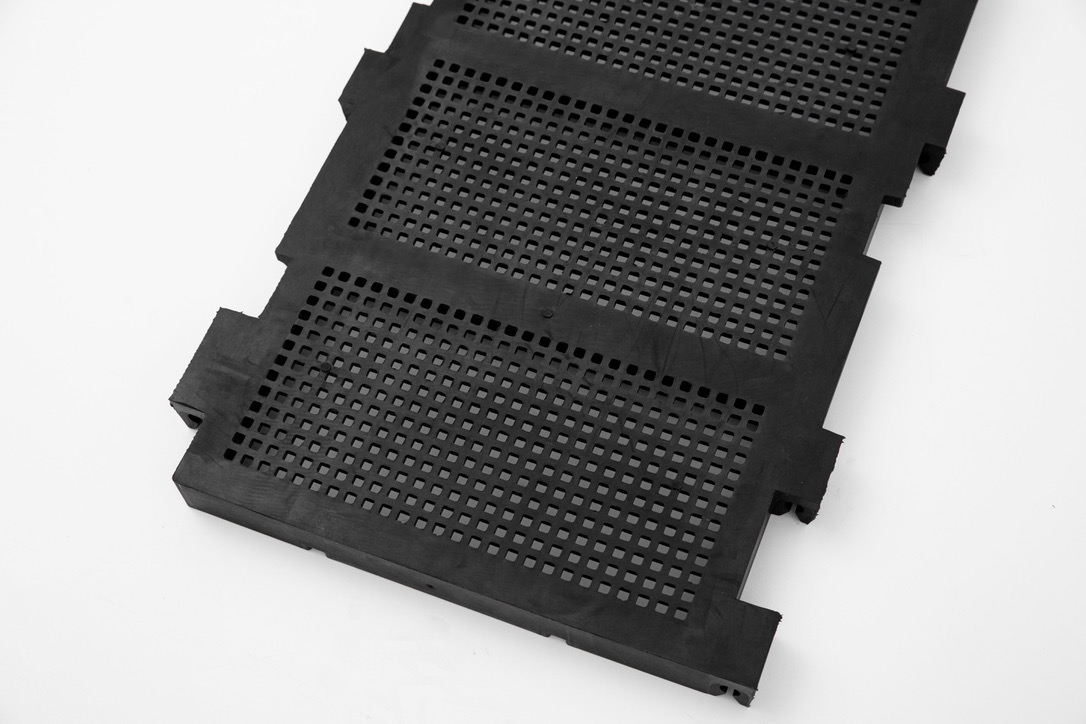
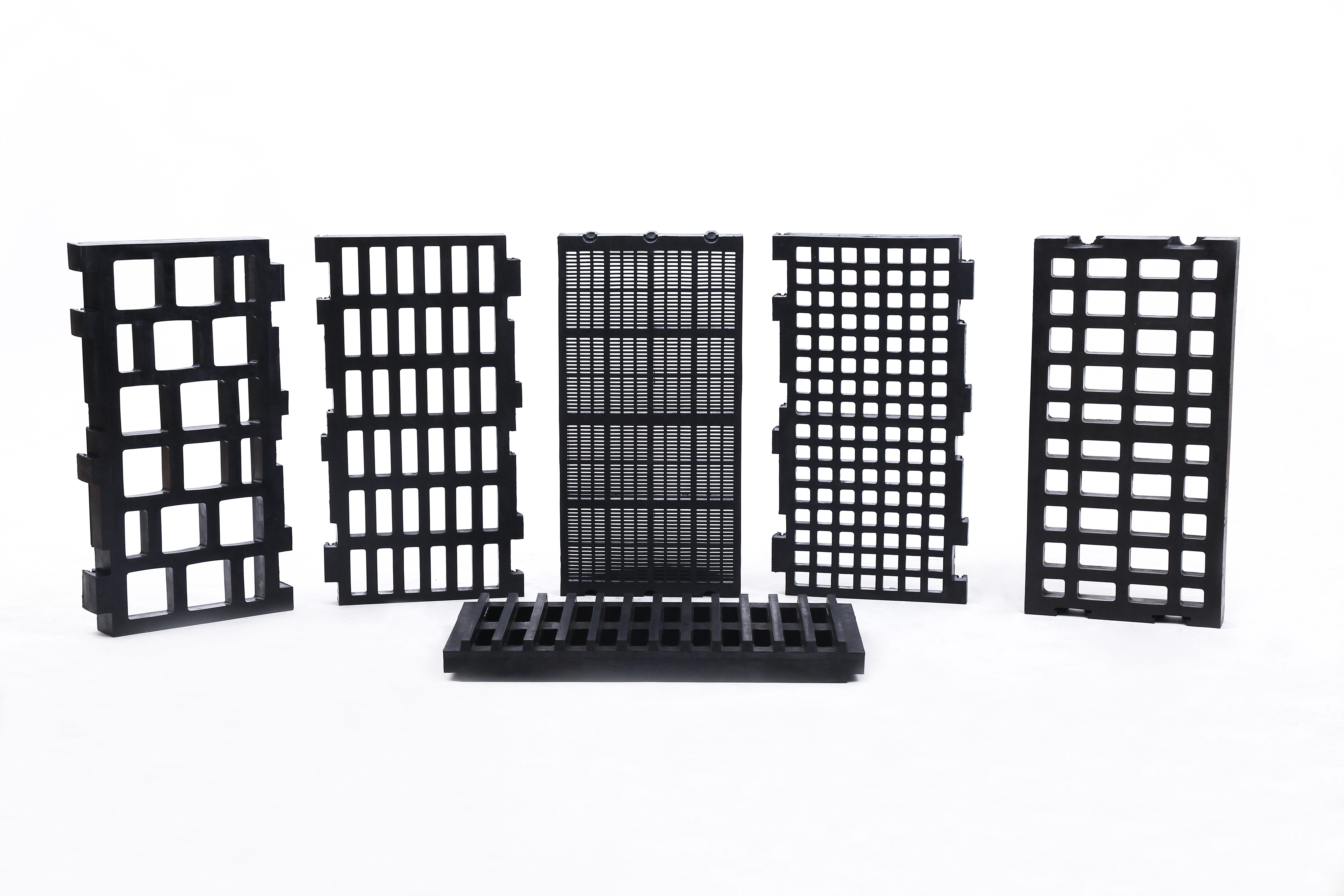
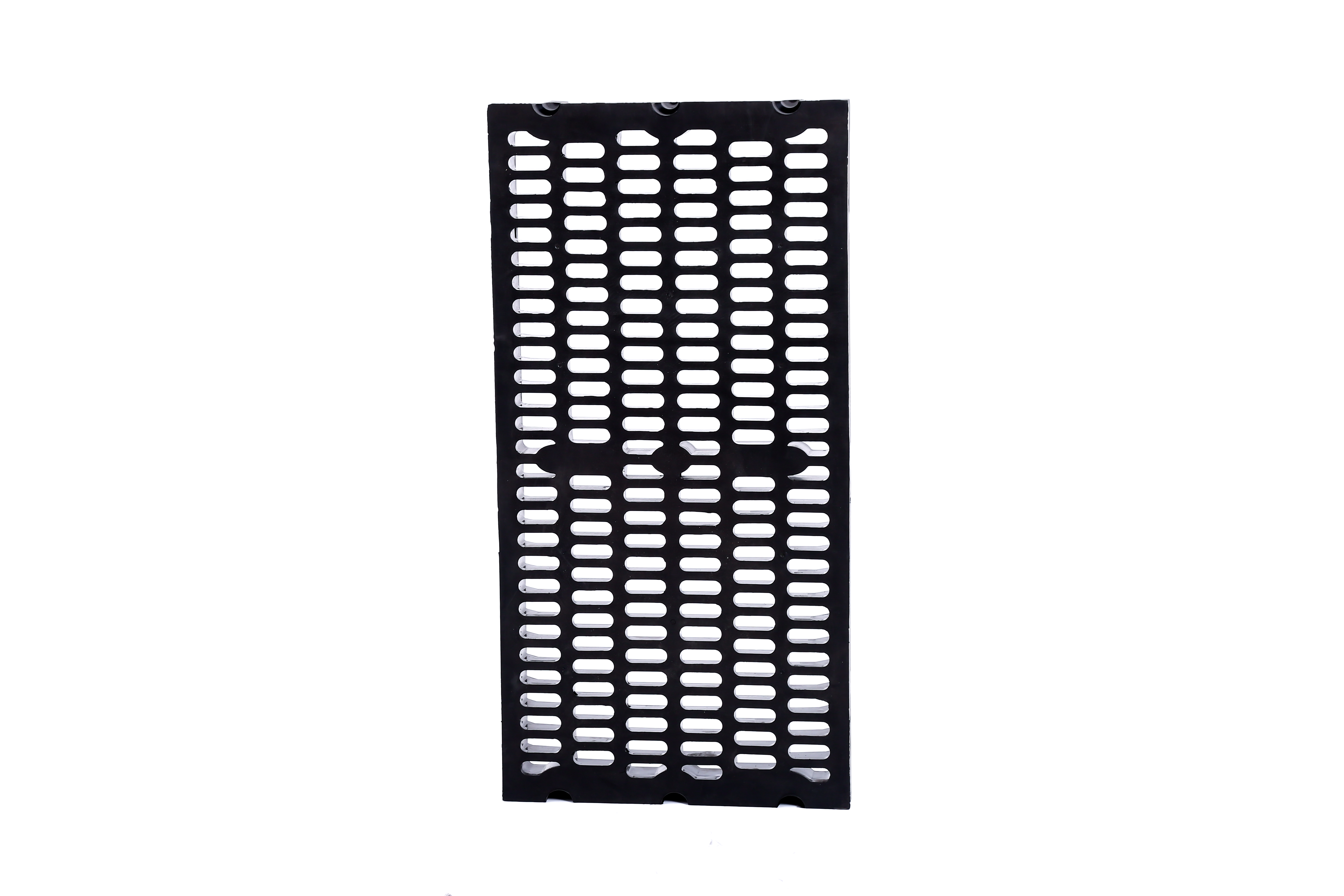
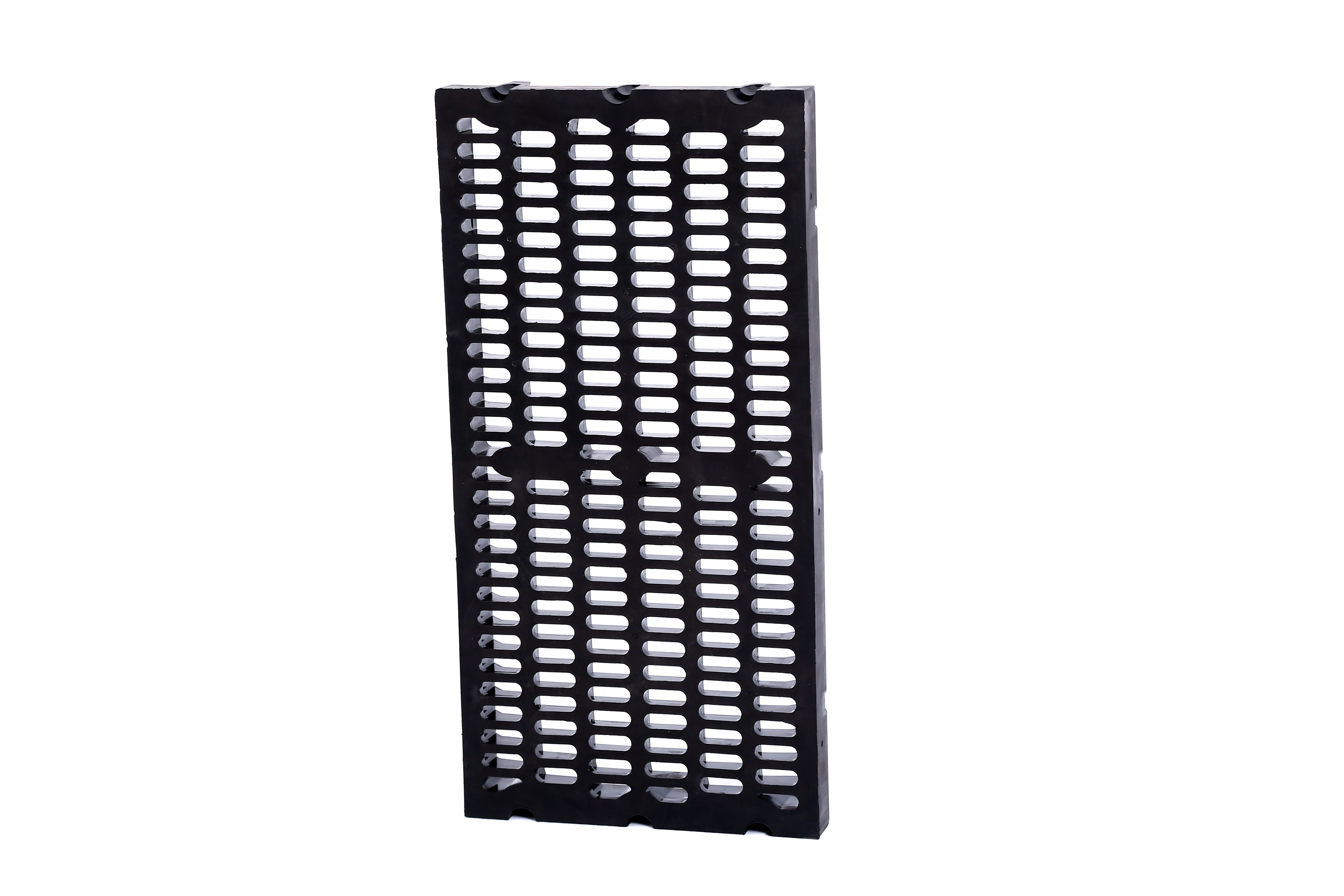
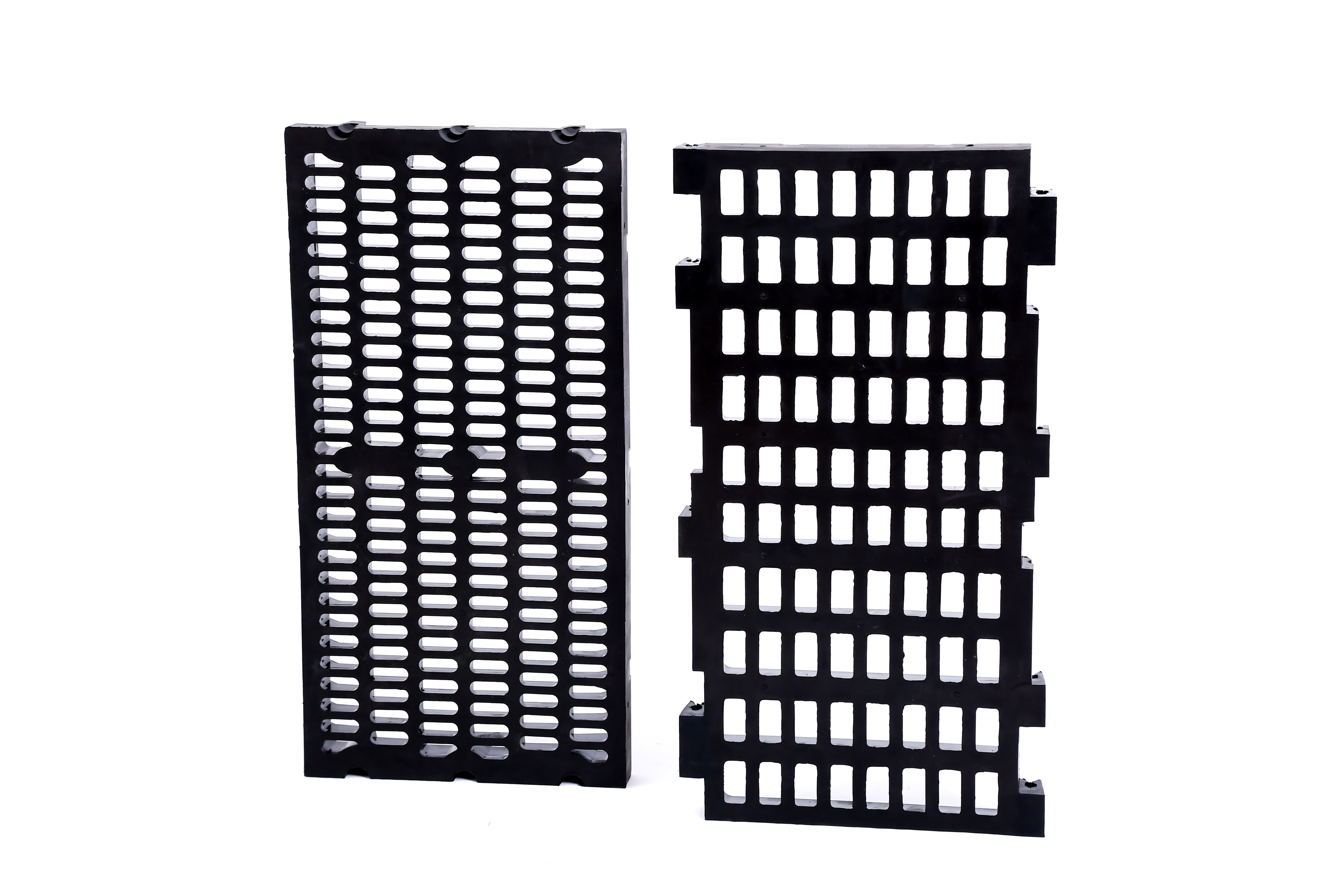
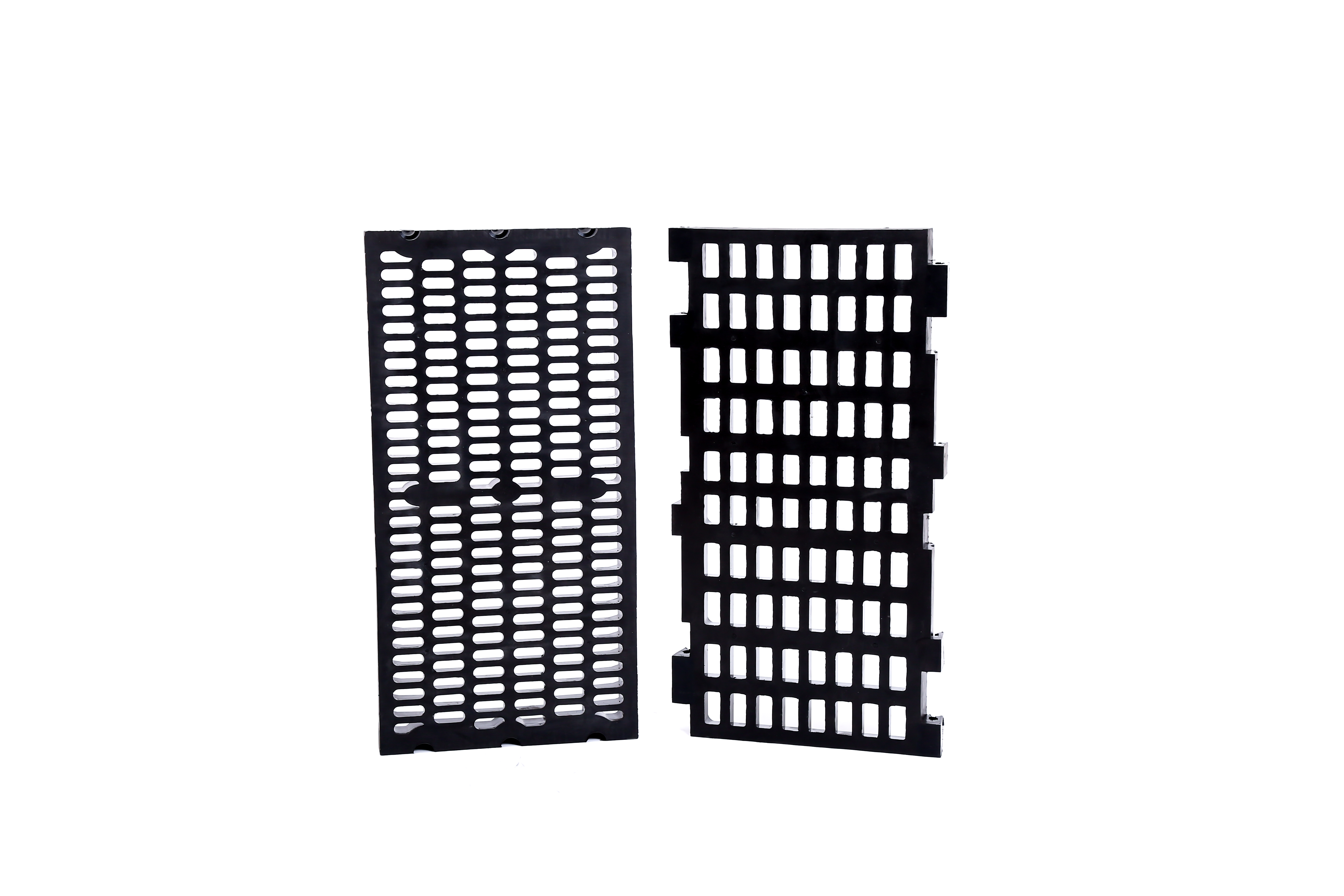
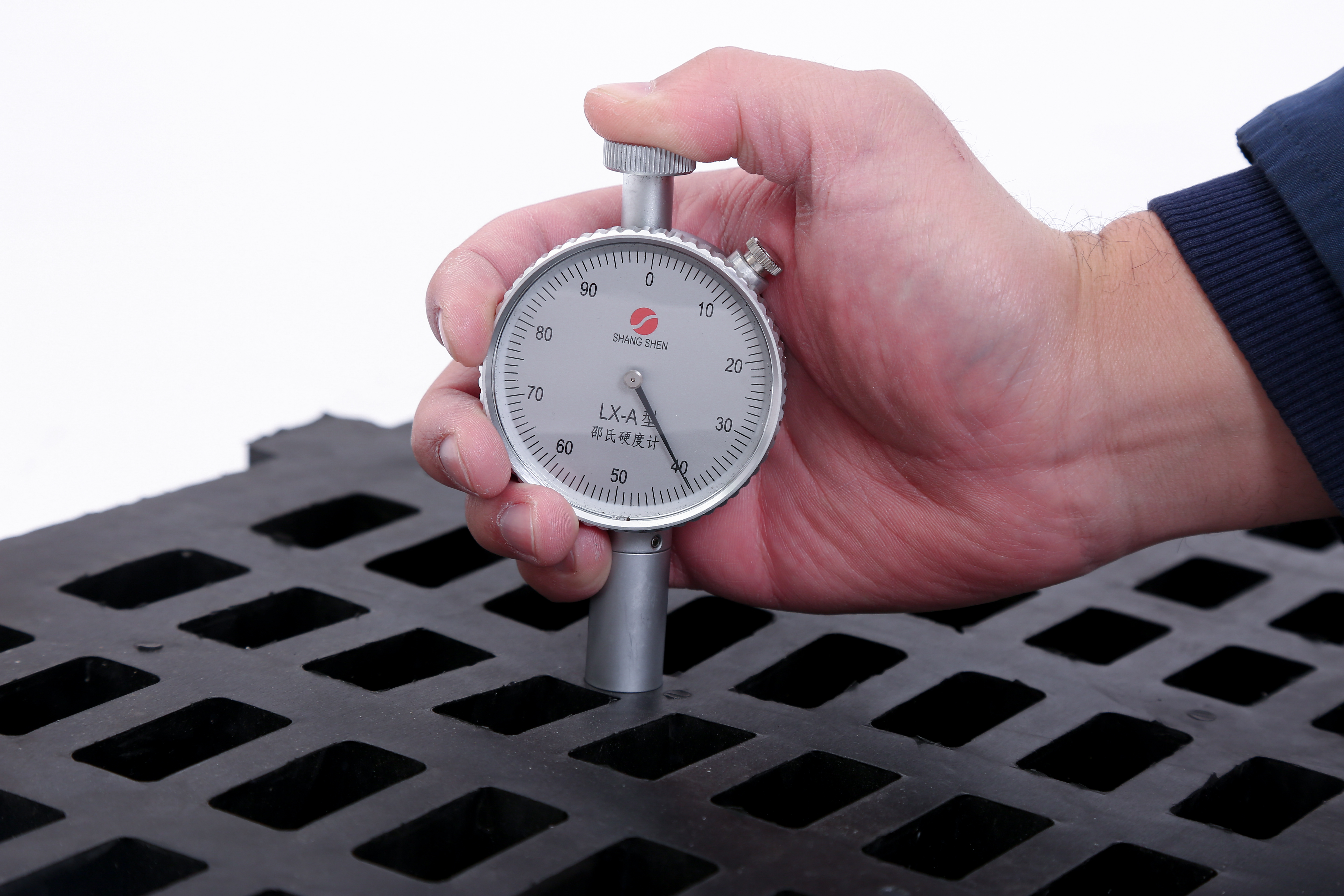
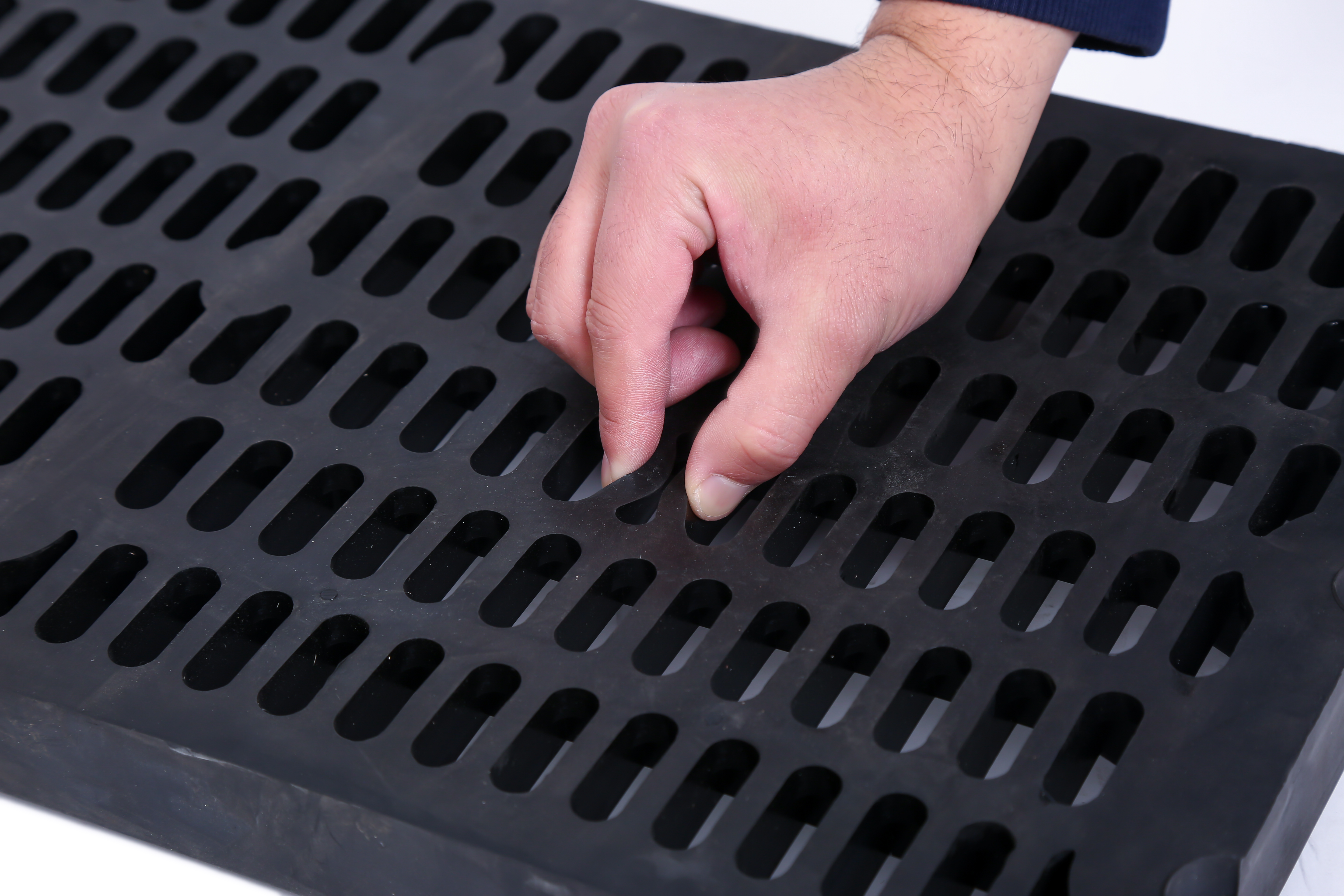
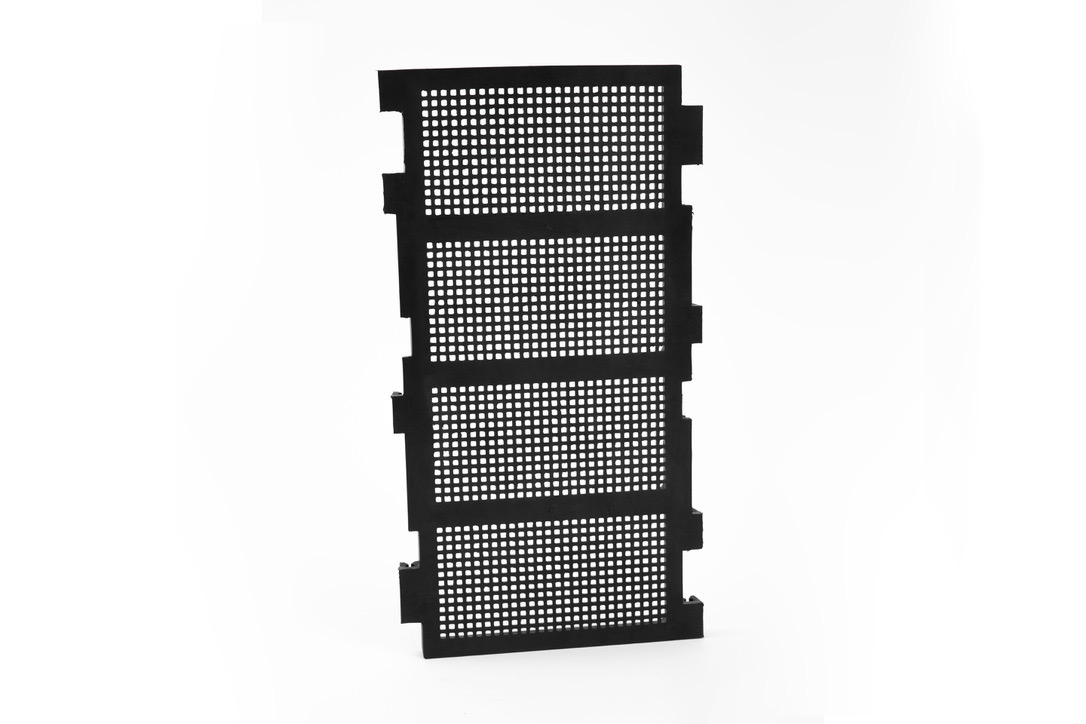
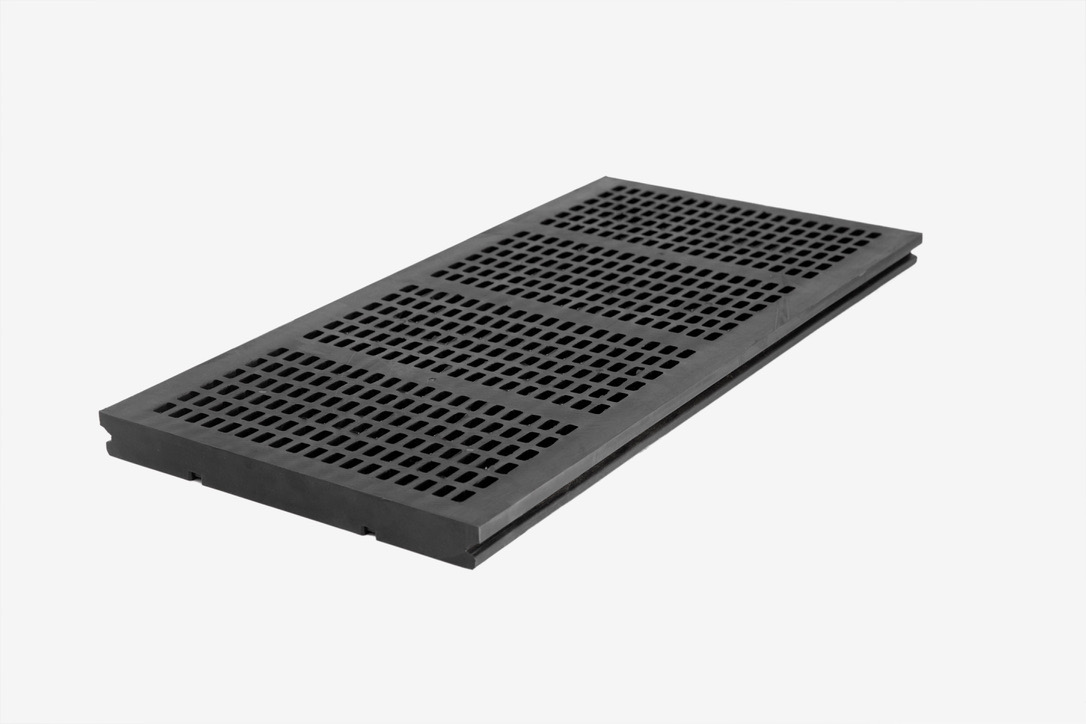
Rubber screen mesh is made of high-elasticity rubber (common materials include natural rubber, nitrile rubber, neoprene rubber) through vulcanization, featuring excellent comprehensive performance: high wear resistance (Shore A hardness 60-80), impact resistance (capable of withstanding high-frequency vibration loads), chemical corrosion resistance (tolerant to acids, alkalis, and oils), good elasticity (deformation recovery rate >90%), and low noise characteristics (friction noise reduced by 30%-50% compared to metal screens during vibration). Additionally, its temperature resistance (-40℃ to 120℃, special formulations up to 150℃) can be optimized by adjusting the rubber compound, and it supports custom aperture sizes (0.1-20mm) and mesh structures (woven, punched, or composite layers).

Introduction

Uses 

It is highly recommended in pre - screeners and primary screens. 
・Its use is also recommended when the screening surface is enough for the production needed. 
・Long - lasting, use in dry and wet screening. 
・Easy to install. 
・Minimum obstruction due to the conicity and flexibility of its apertures.

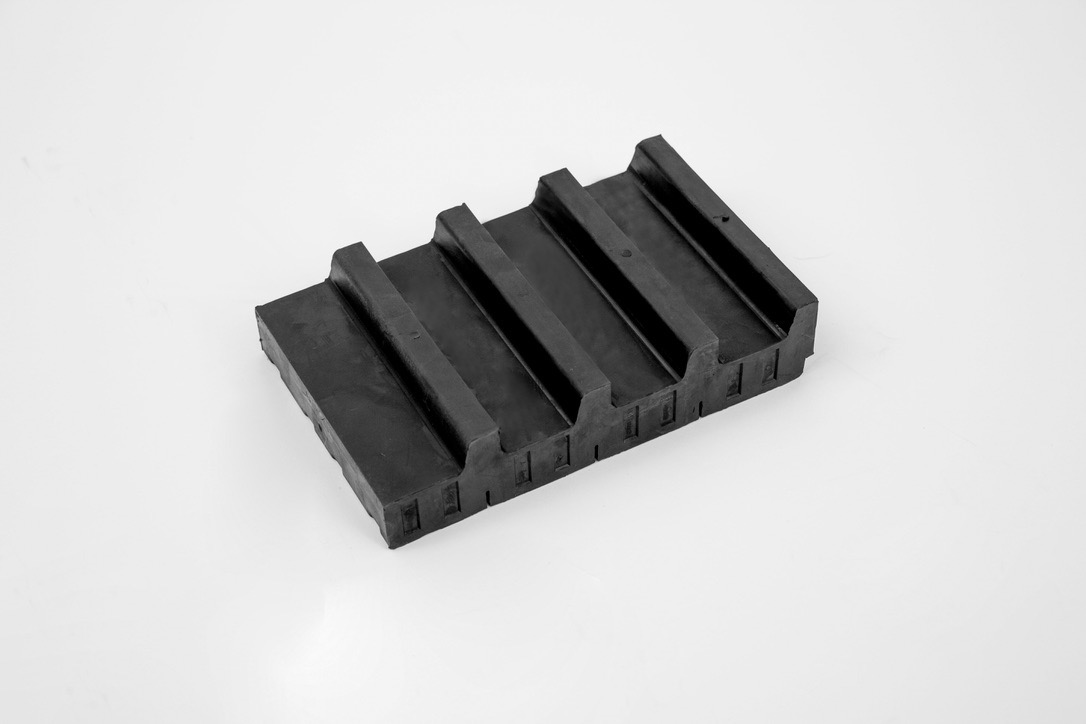
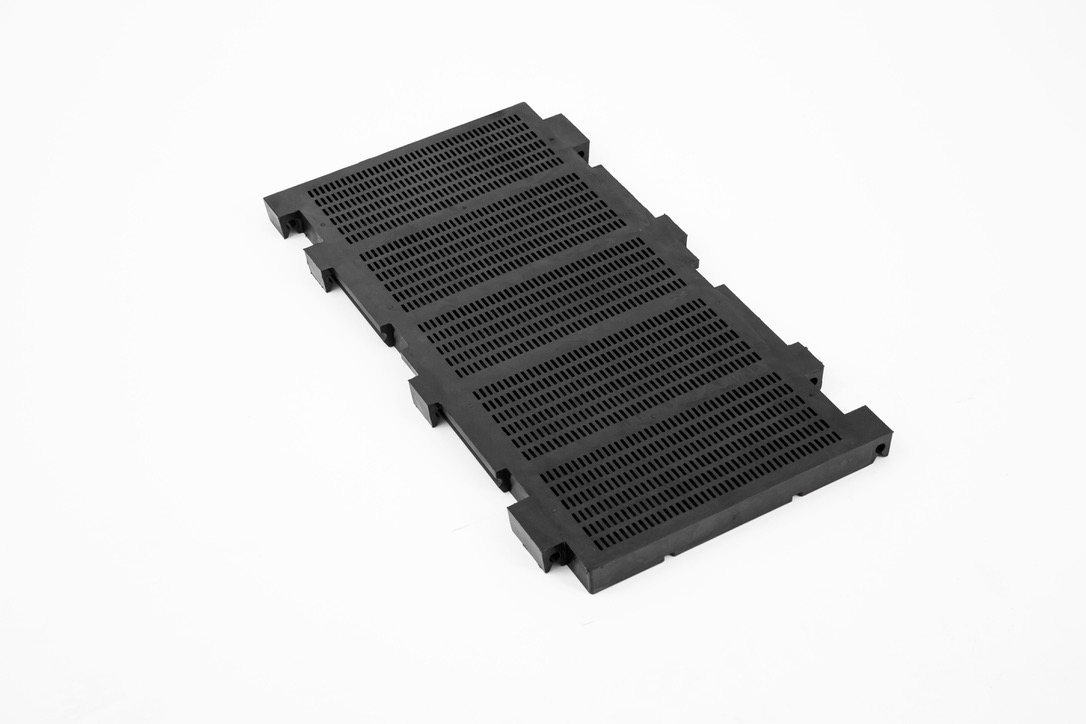
RUBBER MODULAR SYSTEM  
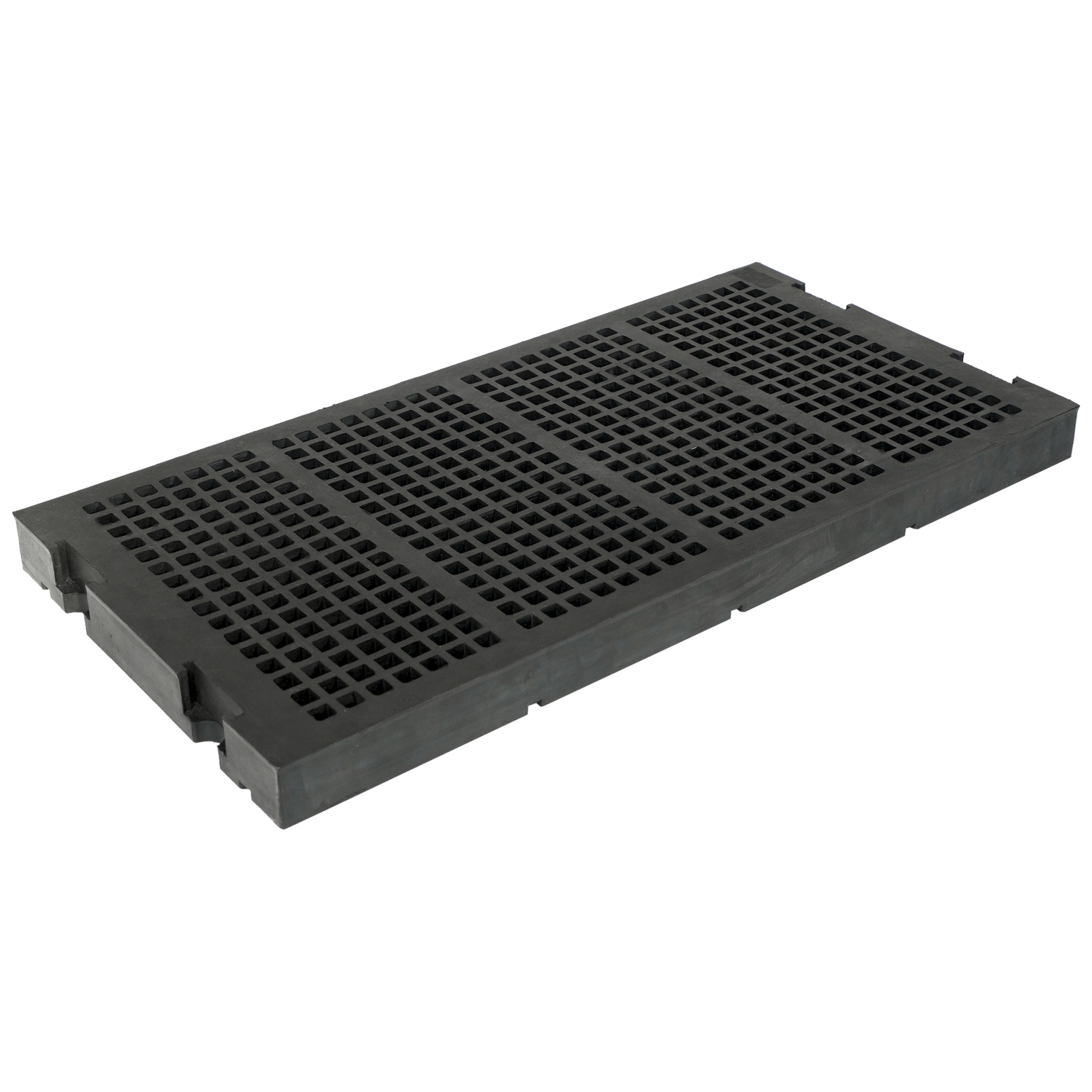
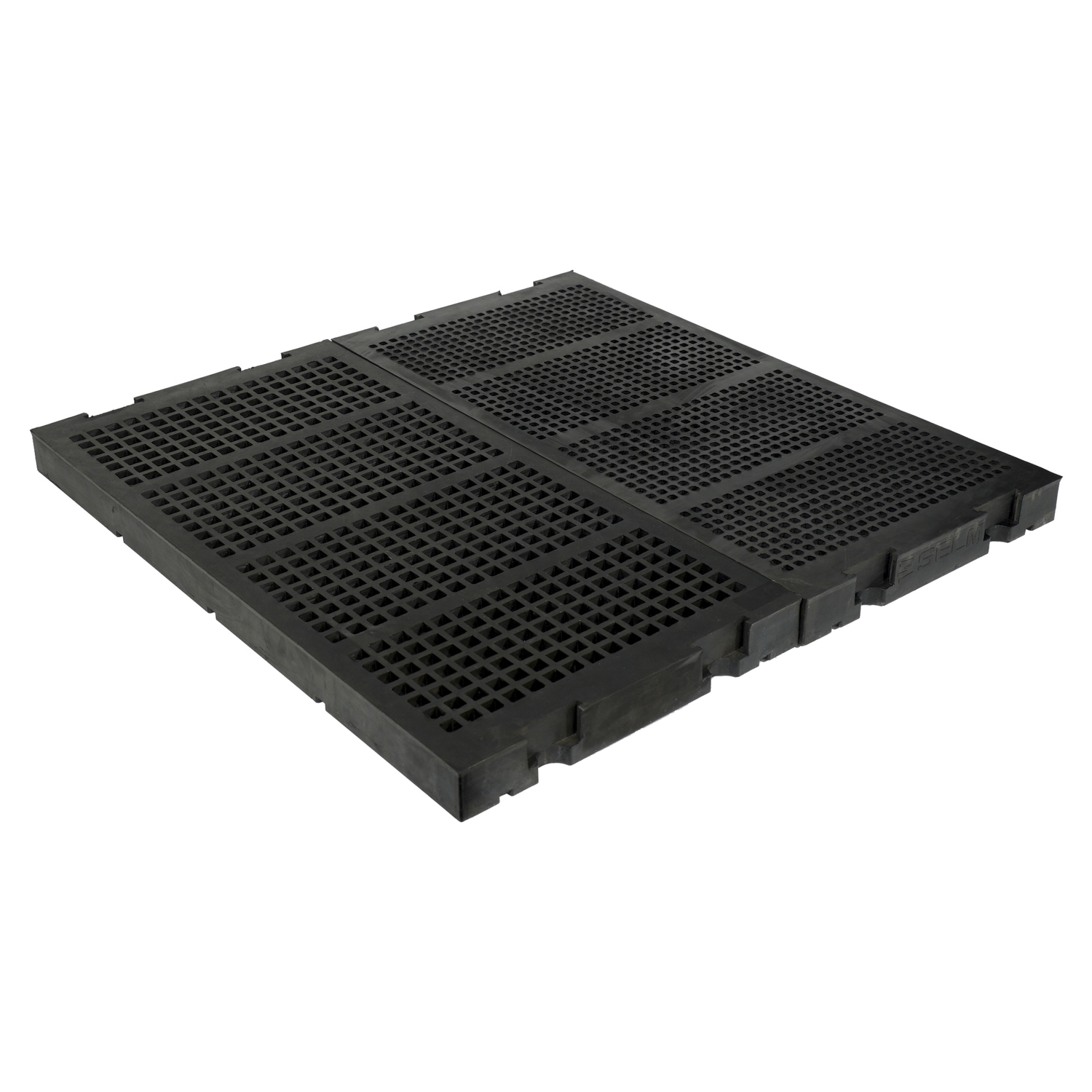
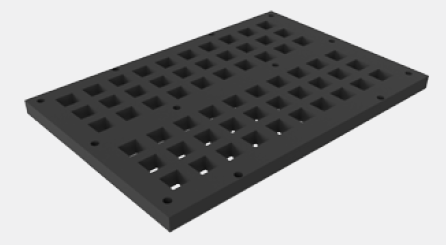
Rubber Modular System Flat screen panel with metallic reinforcement 
rubber screens -0


Manufactured under the following standards: 

Workface: 
・Hardness (°Shore):>65(ISO 868) 
Density (g/cm³):1.20 ± 0.02(ISO 2781 / UNE 53528) 
Tensile strength (Kg/cm²):>125(ISO 37 / UNE 53510) 
Elongation break (%):>300(ISO 37 / UNE 53510) 
・Abrasion resistance (%):<180(ISO 4649 / UNE 53527) 
・Tear strength (Kg/cm):>35(ISO 34 - 1) 
・Adherence rubber/steel (kg/cm²):80 

Support face: 
・Hardness (°Shore):85 ± 5(ISO 868) 
・Density (g/cm³):1.22 ± 0.02(ISO 2781 / UNE 53528) 
・Tensile strength (Kg/cm²):>150(ISO 37 / UNE 53510) 
・Elongation break (%):>200(ISO 37 / UNE 53510) 

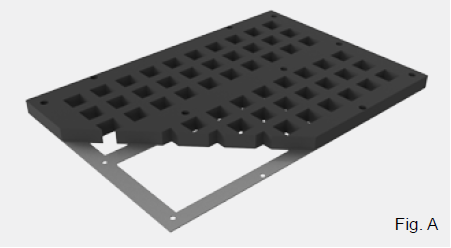
Rubber panel on flat bar frame reinforcement 
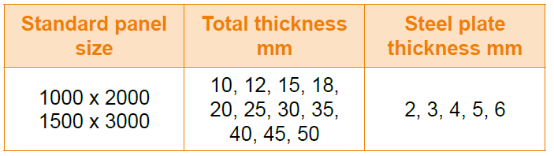
Hot - vulcanised rubber on welded flat bar frame. 15 - 100mm. Thickness (Fig. A). 
rubber screens -1

Rubber panel on L profile frame reinforcement 
Hot - vulcanised rubber on welded L profile steel frame. 30 - 100mm. Thickness (Fig. B). 
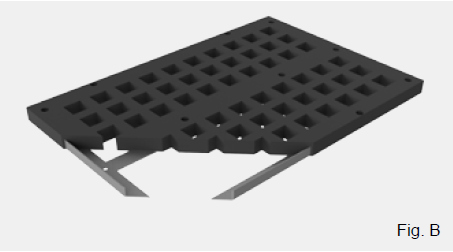
rubber screens -2

Rubber panel on perforated steel plate reinforcement 
Hot - vulcanised rubber on perforated steel plate reinforcement. 20 - 100mm. Thickness (Fig. C).
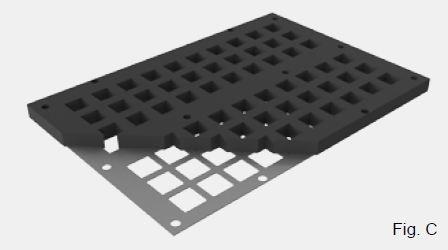
rubber screens -3rubber screens -4

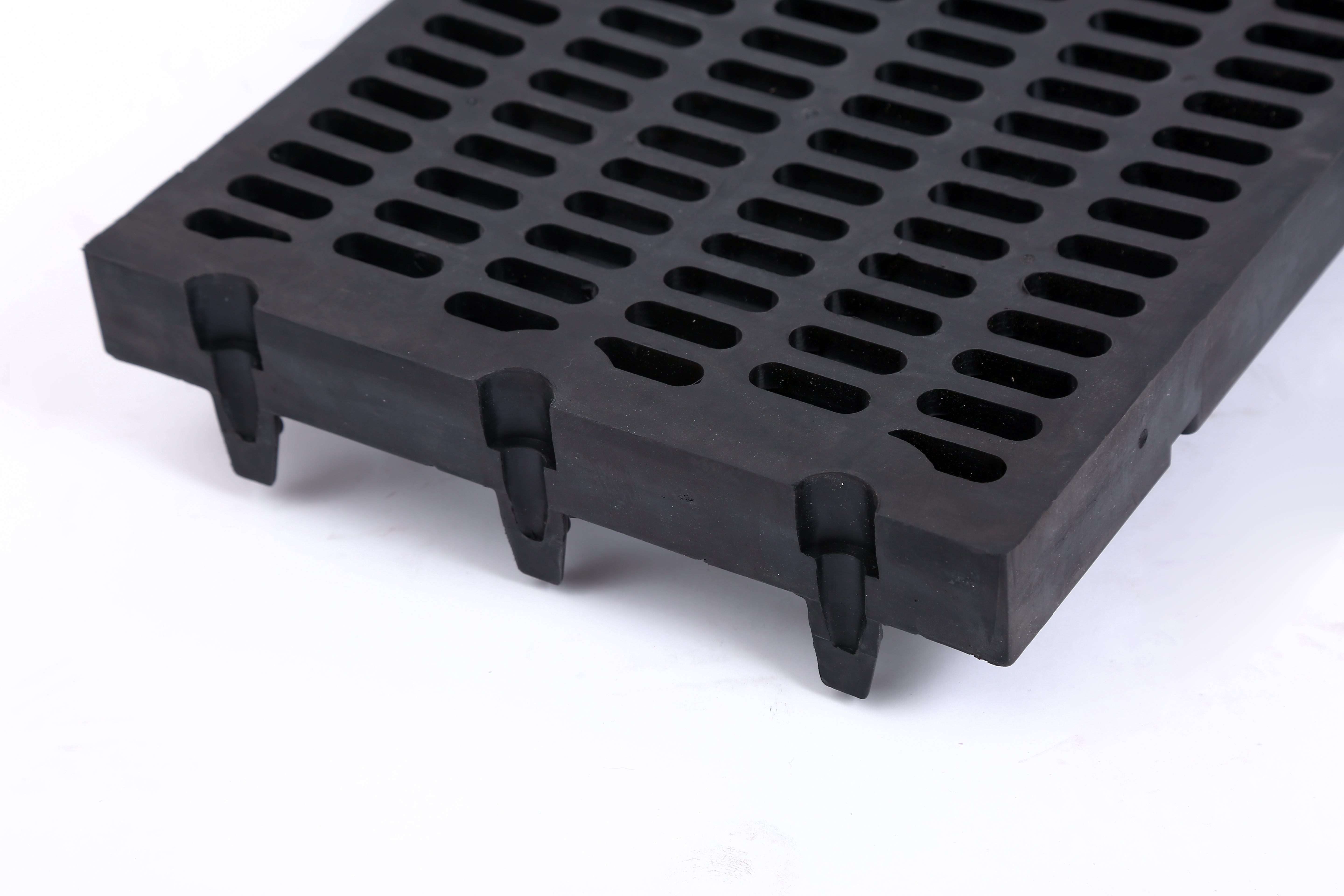
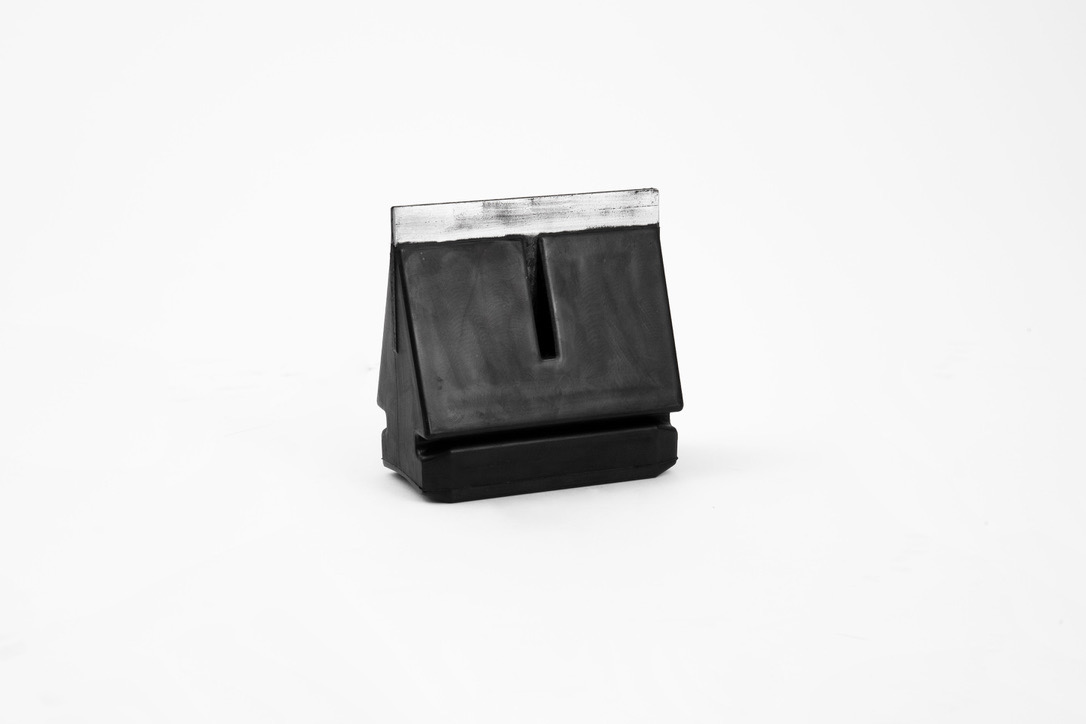
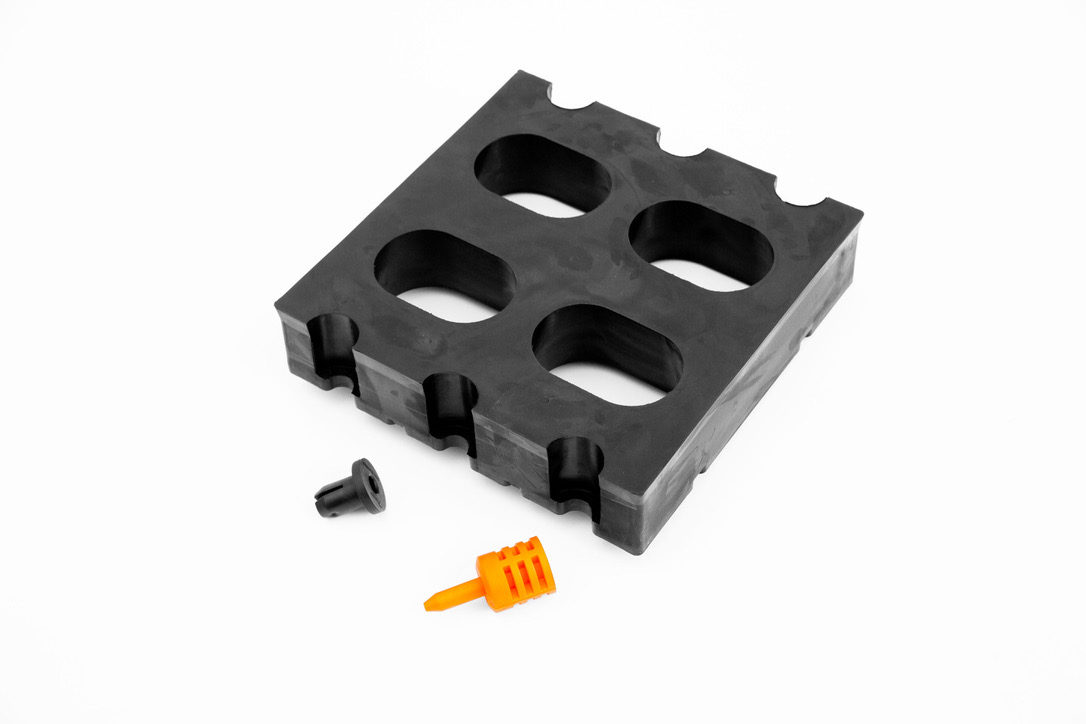
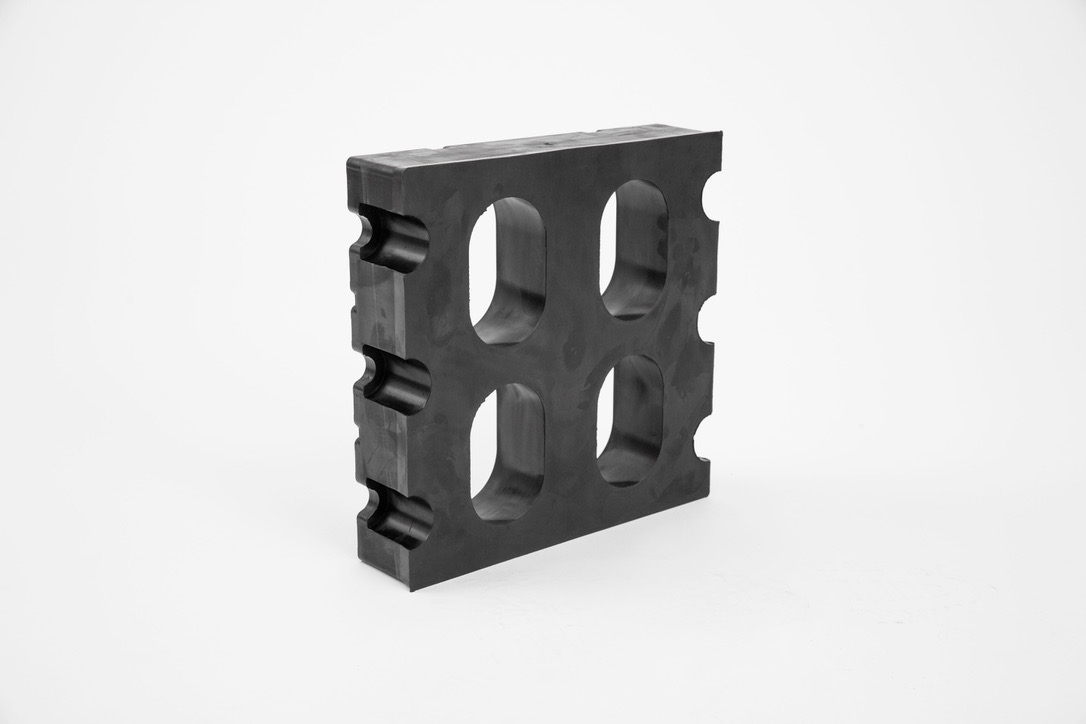
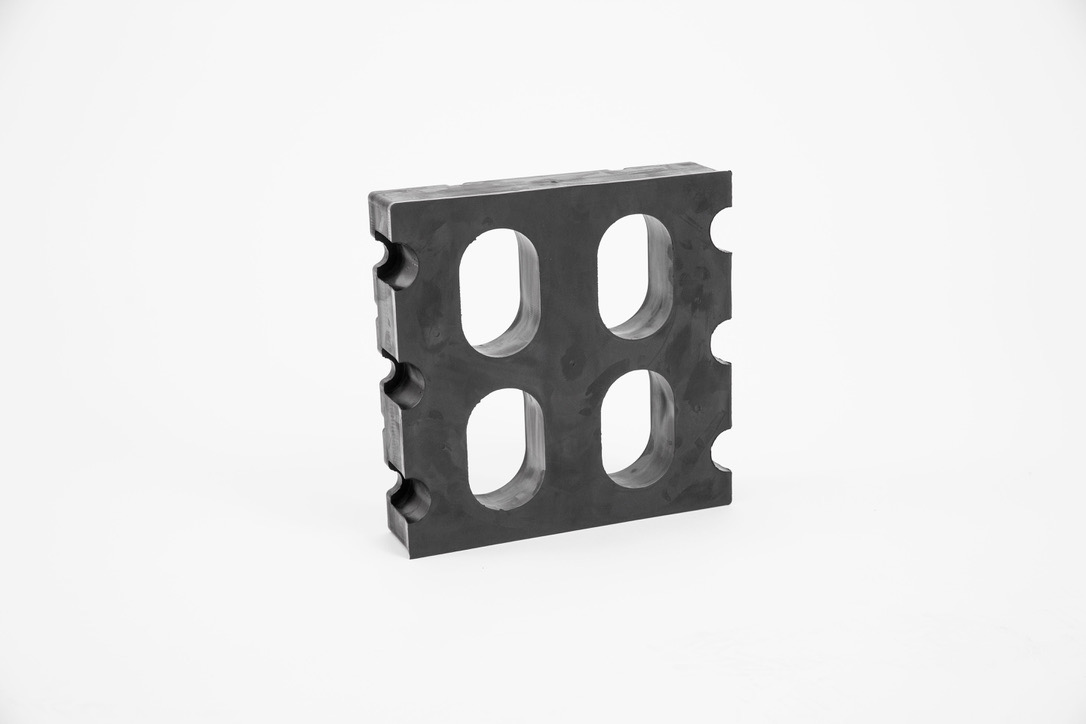
Rubber Modular System Pin and Sleeve  

Characteristics :
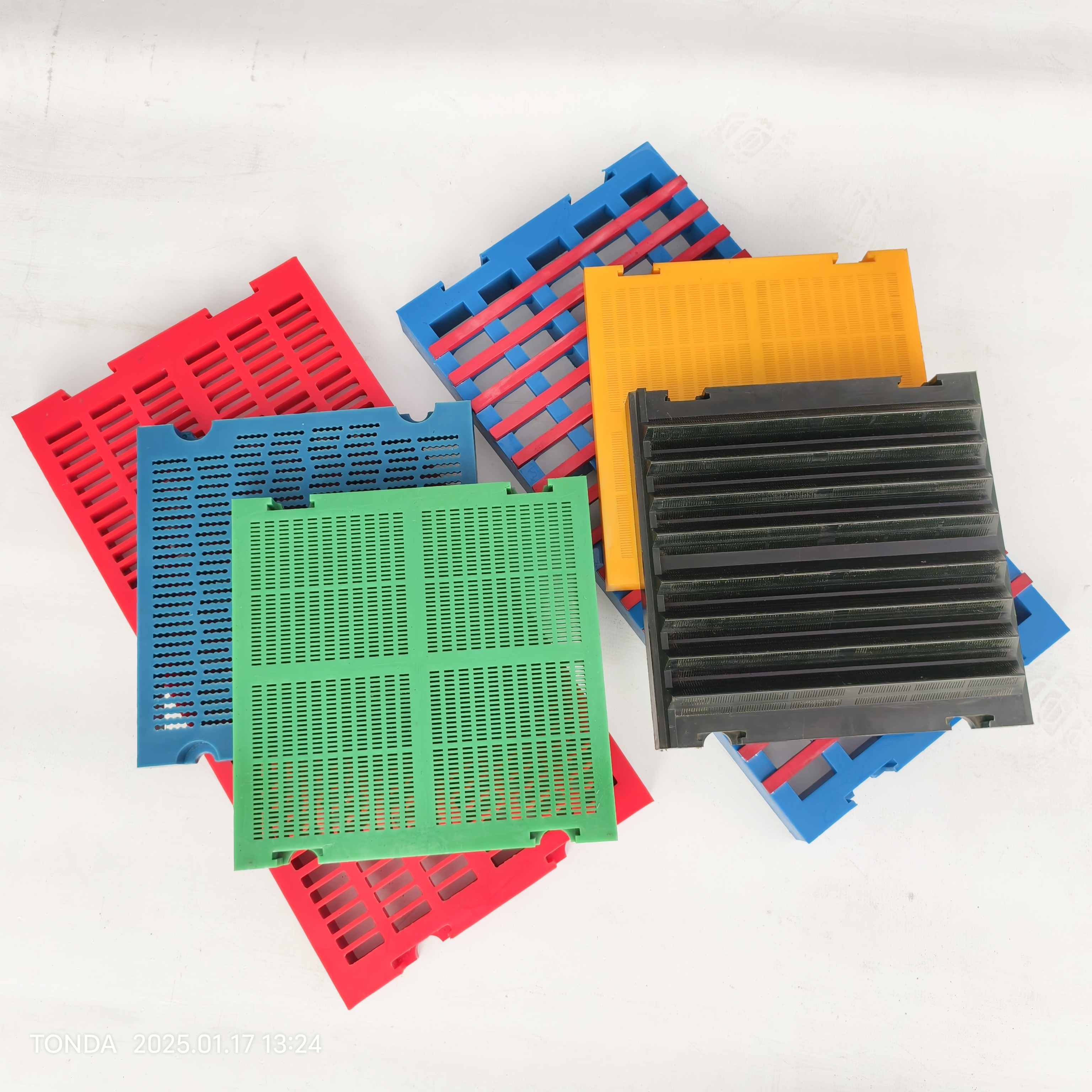
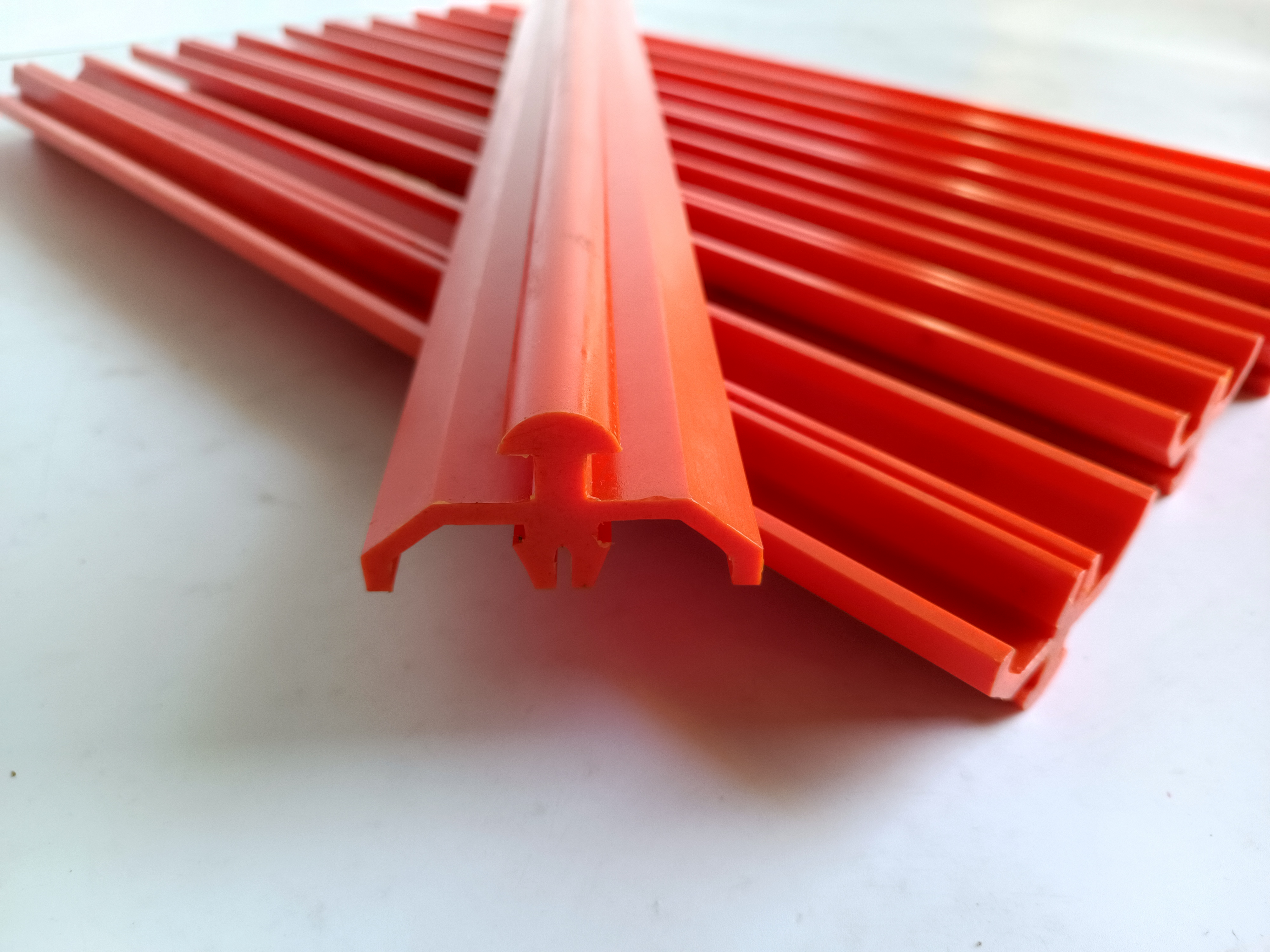
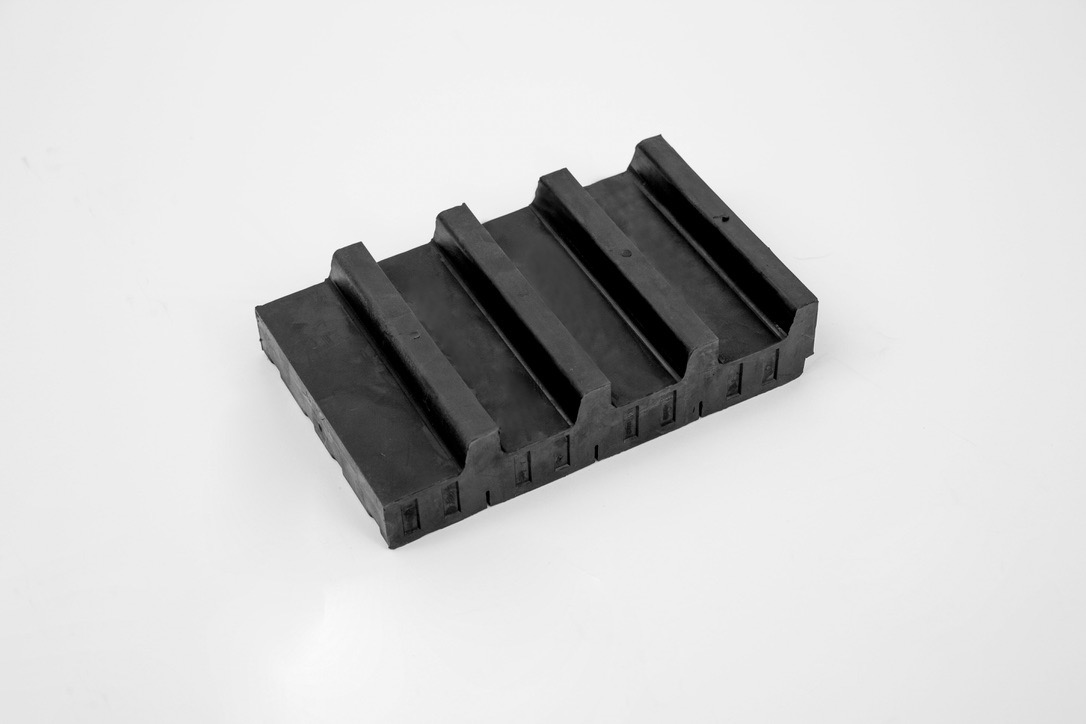
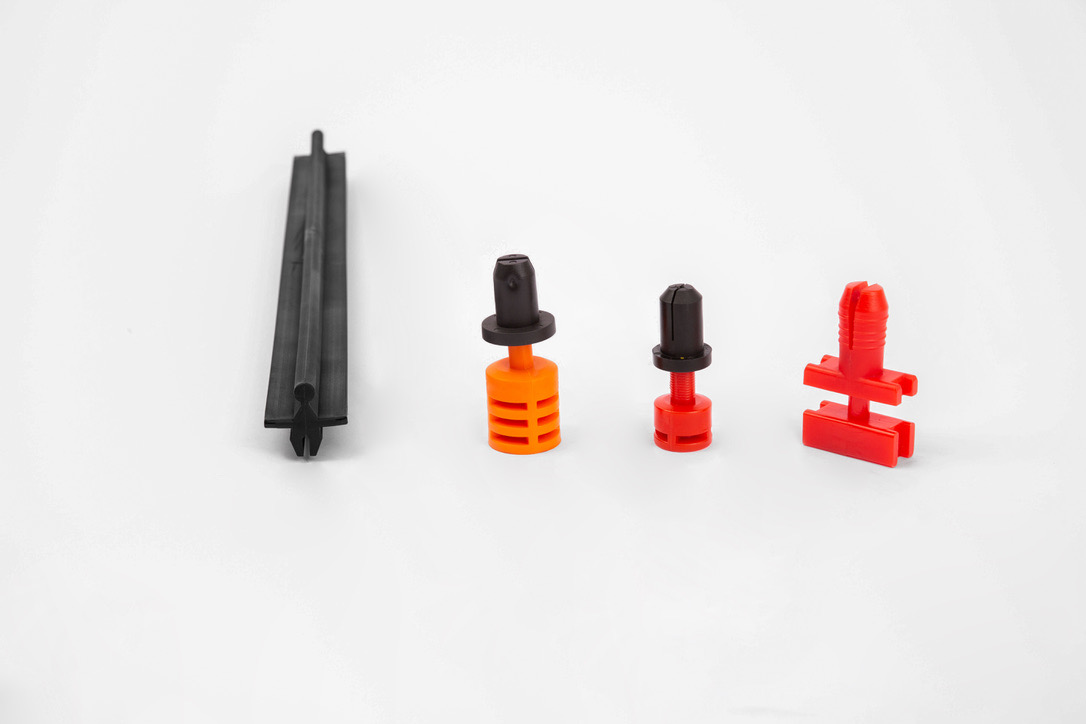
In this system you secure the panels with a pin, which bends the sleeves on the panel and fixes the panel to the deck. There are many different variations on this system like flat panels with sleeve accessories. Made according to the same quality standards as the rubber flat screen panel.
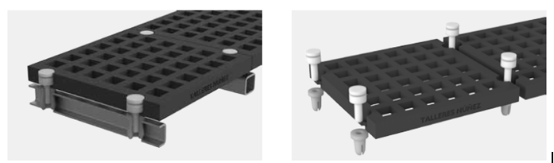
rubber screens -5
Core Performance of Rubber Screen Mesh​ 

Rubber screen mesh is made of high-elasticity rubber (common materials include natural rubber, nitrile rubber, neoprene rubber) through vulcanization, featuring excellent comprehensive performance: high wear resistance (Shore A hardness 60-80), impact resistance (capable of withstanding high-frequency vibration loads), chemical corrosion resistance (tolerant to acids, alkalis, and oils), good elasticity (deformation recovery rate >90%), and low noise characteristics (friction noise reduced by 30%-50% compared to metal screens during vibration). Additionally, its temperature resistance (-40℃ to 120℃, special formulations up to 150℃) can be optimized by adjusting the rubber compound, and it supports custom aperture sizes (0.1-20mm) and mesh structures (woven, punched, or composite layers). 

Typical Application Scenarios of Rubber Screen Mesh​ 

Rubber screen mesh is widely used in scenarios requiring high impact resistance, anti-clogging, or low noise: 
1.Mining & construction sites: Used in vibrating screens for ore and sand separation. Its elasticity buffers impacts from large particles, reducing screen damage and extending service life (2-3 times longer than metal screens); 
2.Chemical & Environmental Protection: For solid-liquid separation of corrosive liquids or slurries, its acid/alkali resistance prevents rust; 
3.Energy & Power: In coal washing and biomass fuel screening, it reduces dust splashing and equipment resonance noise. 

Key Advantages of Rubber Screen Mesh​ Compared to traditional screens, rubber screen mesh offers core advantages: 

Long Service Life & Low Maintenance: The elastomer structure disperses stress, reducing fatigue cracks. Under high-frequency vibration, its lifespan is 2-5 times that of metal screens, with no frequent replacement needed; 
Efficient Screening & Anti-Clogging: Micro-protrusion textures or designed flow channels on the surface promote material flow, reducing fine particle clogging (clogging rate reduced by over 40% compared to metal screens); 
Safety & Environmental Friendliness: No sharp metal edges to scratch materials or injure personnel; some formulations are recyclable, aligning with green production trends; 
Wide Adaptability: Its formula can be adjusted to suit extreme environments (e.g., low-temperature embrittlement, high-temperature softening), meeting diverse needs. 

Advantages Over Conventional Screens (Metal/Plastic)​ Conventional screens mainly use metal (stainless steel, manganese steel) or plastic (polypropylene, polyethylene). Rubber screen mesh has the following advantages: 

Compared to metal Screens: Metal screens are prone to deformation or fracture under impact (especially in coarse screening), while rubber’s high elasticity absorbs impact energy, reducing damage. Metal screens require regular rust removal, whereas rubber screens resist corrosion, cutting maintenance costs by 60%; 
Compared to plastic Screens: Plastic screens have poor temperature resistance (generally <80℃) and soften at high temperatures, while rubber screens offer a wider range (-40℃ to 120℃). Plastic screens have weaker wear resistance (lifespan ~1/2 that of rubber), making rubber more suitable for high-wear conditions. 

Advantages Over PU Screen Mesh​ PU (polyurethane) screen mesh is a representative of high-elasticity polymer materials. Rubber screen mesh has the following advantages compared to PU: 

Better Oil Resistance: Formulations like nitrile rubber show significantly better tolerance to mineral oil and hydraulic oil than PU (PU swells and ages when exposed to oil long-term); 
Stronger Weather Resistance: Rubber (especially neoprene) has a lower aging rate under UV and ozone exposure than PU, extending outdoor service life by over 30%; 
Lower Cost: Rubber raw materials are generally cheaper than PU, reducing the cost of same-spec screens by 20%-30%; 
Superior Tear Resistance: Rubber’s tensile strength (10-25MPa) is higher than that of ordinary PU (8-15MPa), making it less prone to tearing under sharp material impacts. 

More Products

  • Screening equipment accessories

    Screening equipment accessories

  • Metal-Bordered Polyurethane Screen Mesh

    Metal-Bordered Polyurethane Screen Mesh

  • Anti overflow skirt board

    Anti overflow skirt board

  • Weaving Screen Mesh With Hooks

    Weaving Screen Mesh With Hooks

Get a Free Quote

Our representative will contact you soon.
Email
Name
Company Name
Message
0/1000
WhatsApp WhatsApp Email Email 13953588899 13953588899 TopTop